Advancing Open Science
for more than 25 years
Supporting academic communities
since 1996
 
22 pages, 4023 KiB  
Article
Osteoblastic Differentiation and Mitigation of the Inflammatory Response in Titanium Alloys Decorated with Oligopeptides
by Aroa Álvarez-López, Raquel Tabraue-Rubio, Rafael Daza, Luis Colchero, Gustavo V. Guinea, Martine Cohen-Solal, José Pérez-Rigueiro and Daniel González-Nieto
Biomimetics 2025, 10(1), 58; https://doi.org/10.3390/biomimetics10010058 (registering DOI) - 16 Jan 2025
Abstract
Under benign conditions, bone tissue can regenerate itself without external intervention. However, this regenerative capacity can be compromised by various factors, most importantly related with the extent of the injury. Critical-sized defects, exceeding the body’s natural healing ability, demand the use of temporary [...] Read more.
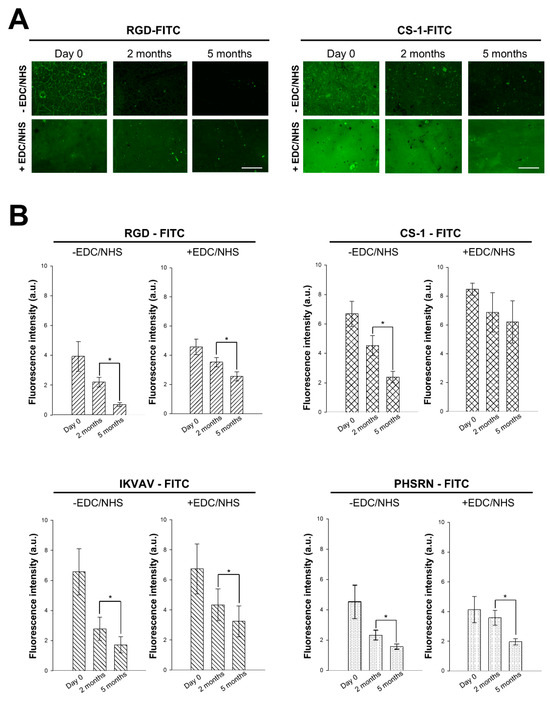
Under benign conditions, bone tissue can regenerate itself without external intervention. However, this regenerative capacity can be compromised by various factors, most importantly related with the extent of the injury. Critical-sized defects, exceeding the body’s natural healing ability, demand the use of temporary or permanent devices like artificial joints or bone substitutes. While titanium is a widely used material for bone replacement, its integration into the body remains limited. This often leads to the progressive loosening of the implant and the need for revision surgeries, which are technically challenging, are commonly associated with high complication rates, and impose a significant economic burden. To enhance implant osseointegration, numerous studies have focused on the development of surface functionalization techniques to improve the response of the body to the implant. Yet, the challenge of achieving reliable and long-lasting prostheses persists. In this work, we address this challenge by applying a robust and versatile biofunctionalization process followed by the decoration of the material with oligopeptides. We immobilize four different peptides (RGD, CS-1, IKVAV, PHSRN) on R-THAB® functionalized surfaces and find them to be highly stable in the long term. We also find that RGD is the best-performing peptide in in vitro cell cultures, enhancing adhesion, proliferation, and osteogenic differentiation of mesenchymal stem cells. To assess the in vivo effect of RGD-decorated Ti-6Al-4V implants, we develop a calvarial model in murine hosts. We find that the RGD-decoration remains stable for 1 week after the surgical procedure and reduces post-implantation macrophage-related inflammation. These results highlight the potential of peptide decoration on R-THAB® functionalized surfaces to expedite the development of novel metallic biomaterials with enhanced biocompatibility properties, thereby advancing the field of regenerative medicine. Full article
►▼ Show Figures

Figure 1

19 pages, 882 KiB  
Review
Comprehensive Overview of Ketone Bodies in Cancer Metabolism: Mechanisms and Application
by Ziyuan Liang, Lixian Deng, Xiaoying Zhou, Zhe Zhang and Weilin Zhao
Biomedicines 2025, 13(1), 210; https://doi.org/10.3390/biomedicines13010210 (registering DOI) - 16 Jan 2025
Abstract
Reprogramming energy metabolism is pivotal to tumor development. Ketone bodies (KBs), which are generated during lipid metabolism, are fundamental bioactive molecules that can be modulated to satisfy the escalating metabolic needs of cancer cells. At present, a burgeoning body of research is concentrating [...] Read more.
Reprogramming energy metabolism is pivotal to tumor development. Ketone bodies (KBs), which are generated during lipid metabolism, are fundamental bioactive molecules that can be modulated to satisfy the escalating metabolic needs of cancer cells. At present, a burgeoning body of research is concentrating on the metabolism of KBs within tumors, investigating their roles as signaling mediators, drivers of post-translational modifications, and regulators of inflammation and oxidative stress. The ketogenic diet (KD) may enhance the sensitivity of various cancers to standard therapies, such as chemotherapy and radiotherapy, by exploiting the reprogrammed metabolism of cancer cells and shifting the metabolic state from glucose reliance to KB utilization, rendering it a promising candidate for adjunct cancer therapy. Nonetheless, numerous questions remain regarding the expression of key metabolic genes across different tumors, the regulation of their activities, and the impact of individual KBs on various tumor types. Further investigation is imperative to resolve the conflicting data concerning KB synthesis and functionality within tumors. This review aims to encapsulate the intricate roles of KBs in cancer metabolism, elucidating a comprehensive grasp of their mechanisms and highlighting emerging clinical applications, thereby setting the stage for future investigations into their therapeutic potential. Full article
(This article belongs to the Special Issue Personalized Treatment in Cancer Research)
►▼ Show Figures

Figure 1

20 pages, 3204 KiB  
Article
Molecular Diversity of Arbuscular Mycorrhizal Fungi Associated with the Rhizosphere of Vachellia seyal Del. from Selected Saline Soils in Senegal
by Anicet Georges Bruno Manga, Godar Sene, André Amakobo Diatta, Tahir Abdoulaye Diop, Gérard Barroso and Diederik van Tuinen
Microbiol. Res. 2025, 16(1), 19; https://doi.org/10.3390/microbiolres16010019 (registering DOI) - 16 Jan 2025
Abstract
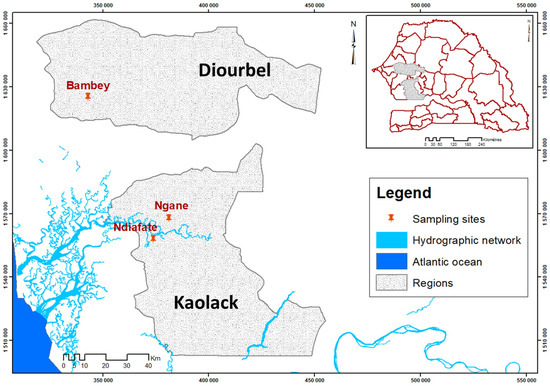
Drought and salinity are major environmental constraints that severely limit crop production, particularly in arid and semi-arid zones. We investigated the genetic diversity of arbuscular mycorrhizal fungi isolated from the rhizosphere of Vachellia seyal in three different soils from Senegal with varying levels [...] Read more.
Drought and salinity are major environmental constraints that severely limit crop production, particularly in arid and semi-arid zones. We investigated the genetic diversity of arbuscular mycorrhizal fungi isolated from the rhizosphere of Vachellia seyal in three different soils from Senegal with varying levels of salinity. Soil and root samples were collected from under V. seyal and in the vicinity of the trees. After DNA extraction, nested PCR, and sequencing of the large subunit region of the rRNA gene, different phylotypes from rhizospheric soils, roots, and spores were compared by phylogeny in order to investigate the role of salinity in arbuscular fungal diversity. This study revealed several unidentified arbuscular fungi and a particularly high host specificity in V. seyal roots. The vast majority of operational taxonomic units (OTUs) isolated in this study had no homologous sequences in the databases. Full article
►▼ Show Figures

Figure 1

12 pages, 546 KiB  
Review
Catechins as Antimicrobial Agents and Their Contribution to Cosmetics
by Soraya Ratnawulan Mita, Nurul Inaya Muhtar, Sri Agung Fitri Kusuma, Sriwidodo Sriwidodo and Ryan Proxy Hendrawan
Cosmetics 2025, 12(1), 11; https://doi.org/10.3390/cosmetics12010011 (registering DOI) - 16 Jan 2025
Abstract
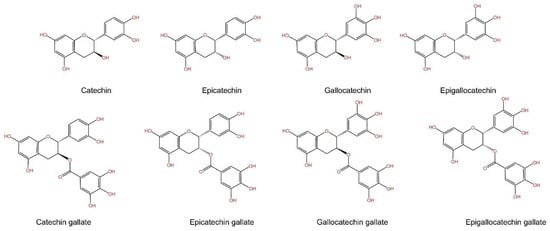
Natural ingredients are an important source of bioactive compounds. Among these bioactive compounds, polyphenols are the most interesting because of their health benefits. Catechins are a class of polyphenol compounds that exhibit a range of activities, with applications in the pharmaceutical and cosmetic [...] Read more.
Natural ingredients are an important source of bioactive compounds. Among these bioactive compounds, polyphenols are the most interesting because of their health benefits. Catechins are a class of polyphenol compounds that exhibit a range of activities, with applications in the pharmaceutical and cosmetic industries. These include antimicrobial, antioxidant, anti-inflammatory, and other therapeutic effects. In cosmetic formulations, catechins can be used as anti-acne agents. Reducing the particle size of catechins affects several of their physicochemical properties and can also increase their absorption rates and solubility. This article discusses the physicochemical properties of catechins and their potential applications as antimicrobial agents. Full article
►▼ Show Figures

Figure 1

15 pages, 1672 KiB  
Article
Colostrum-Derived Melatonin Plus PEG Microspheres Modulate the Oxidative Metabolism of Human Colostrum Phagocytes
by Caroline G. Silva, Viviane F. Luz, Victor L. Nunes, Ana B. M. Verzoto, Aron C. de M. Cotrim, Wagner B. dos Santos, Eduardo L. França and Adenilda C. Honorio-França
Metabolites 2025, 15(1), 57; https://doi.org/10.3390/metabo15010057 (registering DOI) - 16 Jan 2025
Abstract
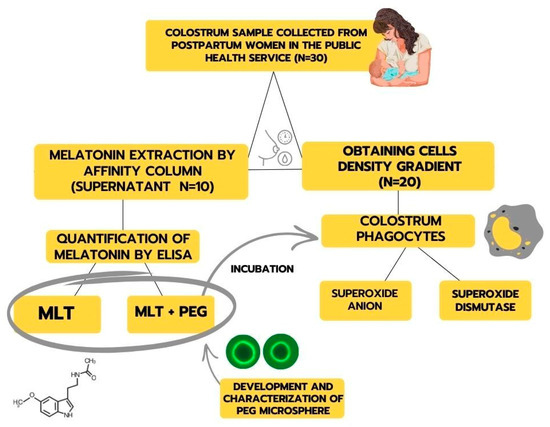
Background/Objectives: Exogenous melatonin adsorbed onto PEG microspheres can modulate the functional activity of phagocytes in colostrum, but no data are available on the activity of melatonin found in colostrum. Therefore, the objective of this study was to extract melatonin from human colostrum, develop [...] Read more.
Background/Objectives: Exogenous melatonin adsorbed onto PEG microspheres can modulate the functional activity of phagocytes in colostrum, but no data are available on the activity of melatonin found in colostrum. Therefore, the objective of this study was to extract melatonin from human colostrum, develop and characterize PEG microspheres with the extracted melatonin adsorbed onto them, and evaluate the effects of this system on the oxidative metabolism of colostrum phagocytes. Methods: Thirty colostrum samples were collected; ten were used for melatonin extraction, while twenty were used to obtain phagocytes. Melatonin was extracted from the colostrum supernatant through affinity chromatography and quantified by ELISA. The polyethylene glycol microspheres produced were analyzed using fluorescence microscopy and flow cytometry. Oxidative metabolism was assessed by measuring the release of the superoxide anion and superoxide enzymes. A control was conducted using commercial melatonin. Results: The fluorescence microscopy and flow cytometry analyses demonstrated that PEG microspheres can adsorb melatonin. There was an increase in superoxide release in phagocytes incubated with colostrum-derived or synthetic melatonin. When exposed to bacteria, colostrum phagocytes treated with colostrum melatonin adsorbed to PEG microspheres exhibited increased superoxide, accompanied by a decrease in the release of superoxide dismutase (SOD) and a lower SOD-to-superoxide ratio. In contrast, synthetic melatonin reduced the release of superoxide and increased the release of the enzyme and the SOD-to-superoxide ratio. Conclusions: These data highlight the importance of melatonin on cellular metabolism and suggest that colostrum-derived melatonin may be a more effective option for controlling oxidative metabolism, particularly during infectious processes. Full article
(This article belongs to the Section Cell Metabolism)
►▼ Show Figures

Figure 1

27 pages, 4879 KiB  
Review
Technological Cooperation for Sustainable Development Under the Belt and Road Initiative and the Sustainable Development Goals: Opportunities and Challenges
by Shuhong Peng, Jing Qian, Xiuwei Xing, Jing Wang, Aliya Adeli and Shujie Wei
Sustainability 2025, 17(2), 657; https://doi.org/10.3390/su17020657 (registering DOI) - 16 Jan 2025
Abstract
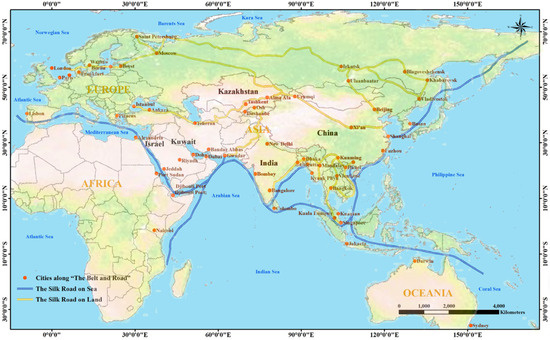
The Belt and Road Initiative (BRI) promotes sustainable development in the participating countries by facilitating technology transfer, talent development, and industrial upgrading. Technological cooperation under the BRI plays a crucial role in helping these countries achieve the Sustainable Development Goals (SDGs). However, BRI [...] Read more.
The Belt and Road Initiative (BRI) promotes sustainable development in the participating countries by facilitating technology transfer, talent development, and industrial upgrading. Technological cooperation under the BRI plays a crucial role in helping these countries achieve the Sustainable Development Goals (SDGs). However, BRI cooperation also faces significant challenges, including geopolitical, economic, social, environmental, and legal risks. This paper reviews the current research on BRI technological cooperation, covering cooperation models, influencing factors, mechanisms, and the economic and social impacts of such cooperation. It examines both the opportunities and challenges involved and provides policy recommendations and action plans. This review offers valuable insights for researchers interested in BRI technological cooperation and contributes to advancing sustainable development in BRI countries. Full article
(This article belongs to the Section Development Goals towards Sustainability)
►▼ Show Figures

Figure 1

14 pages, 5191 KiB  
Article
Compositional Analysis and Numerical Simulation of Slagging Process on a Water-Cooled Wall of an MSW Incinerator
by Shanping Chen, Tianyuan Jia, Yong Chen, Lijie Yin, Jingkuan Huang and Guoan Yuan
Waste 2025, 3(1), 5; https://doi.org/10.3390/waste3010005 (registering DOI) - 16 Jan 2025
Abstract
The mechanism of slagging in municipal solid waste incinerators is complex, and the slagging process is simultaneously affected by the composition, temperature, and flue gas flow. In this study, slag samples on a water-cooled wall were first analysed, and the key components and [...] Read more.
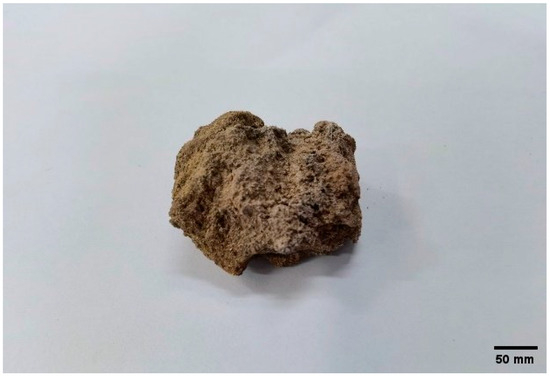
The mechanism of slagging in municipal solid waste incinerators is complex, and the slagging process is simultaneously affected by the composition, temperature, and flue gas flow. In this study, slag samples on a water-cooled wall were first analysed, and the key components and fusion temperatures were measured. Second, a gas-phase combustion model of an incinerator was established, and the temperature and velocity distributions of the flue gas inside the incinerator were calculated. Based on the incineration process, coupled with a discrete-phase model, a numerical simulation model of the slagging process on the water-cooled wall of the incinerator was constructed, considering the transport and adhesion processes of ash particles. The influence of parameters such as the ash particle size and concentration on the degree of slagging on the water-cooled wall was analysed. Smaller ash particles were less likely to adhere to water-cooled walls, with approximately 2.72% of ash particles with a particle size of 10 mm adhering to water-cooled walls. The proportion of ash particles with a particle size of 50 mm adhering to water-cooled walls was approximately three times that of those with a particle size of 10 mm. As the concentration of ash particles increased, the number of ash particles adhering to the water-cooled wall increased, and the adhesion ratio decreased. These results are of great significance for optimising the operation of incinerators and reducing slagging rates. Full article
►▼ Show Figures

Figure 1

12 pages, 998 KiB  
Article
Psychological–Emotional Aspect and Lifestyle in Professional Males Rugby Athletes
by Roberto Palazzo, Riccardo Bevilacqua, Marco Corsi, Edoardo Falconi, Sara Rosa and Laura Stefani
Nutrients 2025, 17(2), 305; https://doi.org/10.3390/nu17020305 (registering DOI) - 16 Jan 2025
Abstract
Background: Recent research emphasizes the importance of integrating psychological–emotional factors with nutrition and body composition in athletes. This study investigates the correlations between these aspects in 36 professional rugby players, aiming to identify relationships that could optimize sports performance and overall well-being. Methods: [...] Read more.
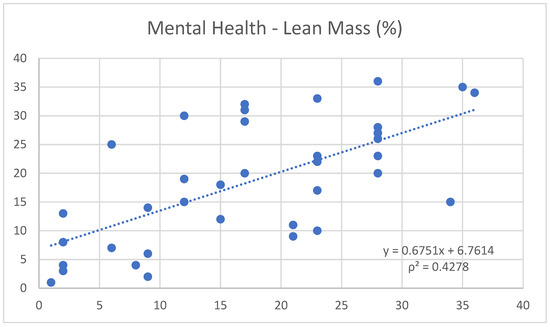
Background: Recent research emphasizes the importance of integrating psychological–emotional factors with nutrition and body composition in athletes. This study investigates the correlations between these aspects in 36 professional rugby players, aiming to identify relationships that could optimize sports performance and overall well-being. Methods: The study sample included 36 male athletes (mean age: 24.4 ± 2.1 years, weight: 86.5 ± 7.1 kg, and height: 181.8 ± 5.7 cm). Four assessment tools were used: the Short Form Health Survey Questionnaire (SF-36) to evaluate quality of life, the Mediterranean diet adherence (MEDI-LITE), the International Physical Activity Questionnaire (IPAQ), and body composition measurements (stadiometer and BIVA). Statistical analyses, including the Shapiro–Wilk test, Pearson, and Spearman correlations, were conducted to explore relationships between the variables. Results: The athletes’ mental and physical health was comparable to the general population (mean MCS = 50.5 ± 7.4, PCS = 49.6 ± 9.6). Mediterranean diet adherence was low (mean MEDI-LITE = 8.6 ± 2.6), while physical activity levels were high (mean IPAQ = 2560.5 ± 950.1). Body composition indicated overweight status (mean BMI = 26.15 ± 1.62 kg/m2, body fat = 22 ± 4.3%). Positive correlations were observed between mental health, diet adherence, and physical activity, with a stronger link between physical activity and body composition. Conclusions: This study confirms a relationship between psychological–emotional factors, nutrition, and body composition in athletes, suggesting an integrated approach to optimize performance. However, causality remains unconfirmed, and the small sample size limits generalizability. Future research should include larger, more diverse samples to expand these findings. Full article
(This article belongs to the Section Clinical Nutrition)
►▼ Show Figures

Figure 1

23 pages, 7851 KiB  
Article
Upper Limb Orthoses: Integrating Topology Optimization and 3D Printing for Custom Fit and Function
by Stefanos Voulgaris, Charoula Kousiatza, George Kazakis, Konstantinos-Iason Ypsilantis, Dimitrios Galanis, Chara Ch. Mitropoulou, Maria Gkara, Stelios K. Georgantzinos, Konstantinos Soultanis and Nikos D. Lagaros
Appl. Sci. 2025, 15(2), 827; https://doi.org/10.3390/app15020827 (registering DOI) - 16 Jan 2025
Abstract
Customized wrist splints, particularly for upper extremity orthoses like wrist support braces, are commonly used across numerous clinical scenarios. However, the traditional process for producing personalized wrist splints is largely manual and highly dependent on the expertise of orthopedic specialists. This experience-based approach [...] Read more.
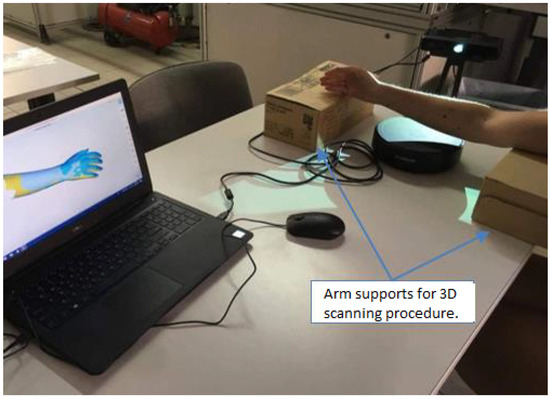
Customized wrist splints, particularly for upper extremity orthoses like wrist support braces, are commonly used across numerous clinical scenarios. However, the traditional process for producing personalized wrist splints is largely manual and highly dependent on the expertise of orthopedic specialists. This experience-based approach often leads to suboptimal outcomes, necessitating further refinement of the designs. Recent advancements in Additive Manufacturing (AM) have brought significant innovation to various industries, including orthopedics. This study aims to present a comprehensive methodology that integrates advanced design tools, like 3D Scanning, with digital manufacturing techniques to produce tailored wrist splints. The produced hand brace aims to offer enhanced mechanical performance and comfort by precisely fitting an individual’s anatomy while minimizing material usage and weight. To achieve optimal design efficiency, the study explores the application of a topology optimization (TO) approach for design, while the manufacturing process utilizes Fused Deposition Modeling (FDM), an evolving technology within the additive manufacturing (AM) sector. Full article
(This article belongs to the Section Additive Manufacturing Technologies)
►▼ Show Figures

Figure 1

18 pages, 7881 KiB  
Article
Effect of Multiple Injection Strategy Under High Ammonia Ratio on Combustion and Emissions of Liquid Ammonia/Diesel Dual DI Engine
by Zhenbin Chen, Yudong Wan, Omar I. Awad and Zhiqiang Pan
Atmosphere 2025, 16(1), 94; https://doi.org/10.3390/atmos16010094 (registering DOI) - 16 Jan 2025
Abstract
With the increasingly prominent environmental and energy issues, emission regulations are becoming more stringent. Ammonia diesel dual fuel (ADDF) engine is one of the effective ways to reduce carbon emissions. This study investigated the effect of multiple injection strategy on the combustion and [...] Read more.
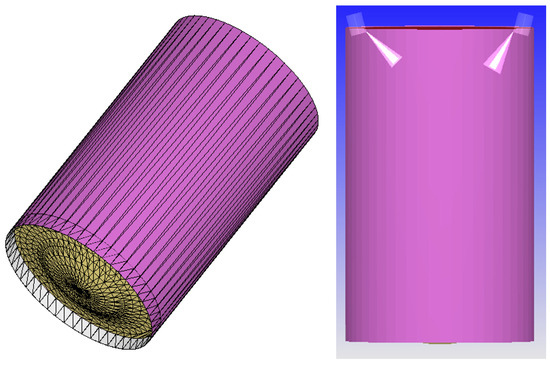
With the increasingly prominent environmental and energy issues, emission regulations are becoming more stringent. Ammonia diesel dual fuel (ADDF) engine is one of the effective ways to reduce carbon emissions. This study investigated the effect of multiple injection strategy on the combustion and emission characteristics of liquid ammonia/diesel dual direct injection (DI) engines through numerical simulation. The results showed that under the condition of maintaining the same pre injection diesel fuel and high ammonia energy ratio (80%), with the introduction of multiple injection, the peak cylinder pressure decreased and the peak phase advanced, the combustion start angle (CA10) advanced, the heat release showed a multi-stage pattern. The times of injection (TSOI) has a significant effect on combustion and emissions. As TSOI increased, ignition delay decreased, the combustion duration is shortened, and the combustion is accelerated. Notably, overall emissions of NOx and N2O have decreased, but the emissions of unburned NH3 have increased. Optimized the state of ammonia injection (SOAI) timing and ammonia injection pressure (AIP), showed that advancing SOAI timing and increasing AIP improved combustion. Advanced the SOAI timing to −8 °CA ATDC, resulted in a significant NOx emissions decrease with an increase in TSOI, reaching over 50%. Although increasing injection pressure can improve combustion, it also results in higher N2O emissions. Full article
(This article belongs to the Special Issue Renewable Strategies for Emission Reduction: A Multisectoral Approach)
►▼ Show Figures

Figure 1

20 pages, 2022 KiB  
Article
Bioactive Sesquiterpenoids from Santolina chamaecyparissus L. Flowers: Chemical Profiling and Antifungal Activity Against Neocosmospora Species
by Eva Sánchez-Hernández, Jesús Martín-Gil, Vicente González-García, José Casanova-Gascón and Pablo Martín-Ramos
Plants 2025, 14(2), 235; https://doi.org/10.3390/plants14020235 (registering DOI) - 16 Jan 2025
Abstract
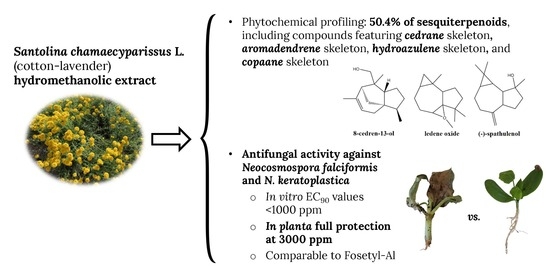
Santolina chamaecyparissus L. (cotton-lavender) is receiving increasing attention due to its potential for modern medicine and is considered both a functional food and nutraceutical. In this work, the phytochemical profile of its flower hydromethanolic extract was investigated by gas chromatography–mass spectrometry, and its [...] Read more.
Santolina chamaecyparissus L. (cotton-lavender) is receiving increasing attention due to its potential for modern medicine and is considered both a functional food and nutraceutical. In this work, the phytochemical profile of its flower hydromethanolic extract was investigated by gas chromatography–mass spectrometry, and its applications as a biorational for crop protection were explored against Neocosmospora spp., both in vitro and in planta. The phytochemical profiling analysis identified several terpene groups. Among sesquiterpenoids, which constituted the major fraction (50.4%), compounds featuring cedrane skeleton (8-cedren-13-ol), aromadendrene skeleton (such as (−)-spathulenol, ledol, alloaromadendrene oxide, epiglobulol, and alloaromadendrene), hydroazulene skeleton (ledene oxide, isoledene, and 1,2,3,3a,8,8a-hexahydro-2,2,8-trimethyl-,(3aα,8β,8aα)-5,6-azulenedimethanol), or copaane skeleton (cis-α-copaene-8-ol) were predominant. Additional sesquiterpenoids included longiborneol and longifolene. The monoterpenoid fraction (1.51%) was represented by eucalyptol, (+)-4-carene, endoborneol, and 7-norbornenol. In vitro tests against N. falciformis and N. keratoplastica, two emerging soil phytopathogens, resulted in effective concentration EC90 values of 984.4 and 728.6 μg·mL−1, respectively. A higher dose (3000 μg·mL−1) was nonetheless required to achieve full protection in the in planta tests conducted on zucchini (Cucurbita pepo L.) cv. ‘Diamant F1’ and tomato (Solanum lycopersicum L.) cv. ‘Optima F1’ plants inoculated with N. falciformis by root dipping. The reported data indicate an antimicrobial activity comparable to that of fosetyl-Al and higher than that of azoxystrobin conventional fungicides, thus making the flower extract a promising bioactive product for organic farming and expanding S. chamaecyparissus potential applications. Full article
(This article belongs to the Special Issue Natural Compounds for Controlling Plant Pathogens)
►▼ Show Figures

Graphical abstract

11 pages, 18987 KiB  
Article
Mastigoproctus spinifemoratus, a New Species of Giant Vinegaroon (Thelyphonida: Thelyphonidae) from Mexico
by Daniel Castro-Pereira, Ricardo Pinto-da-Rocha and Lorenzo Prendini
Arthropoda 2025, 3(1), 2; https://doi.org/10.3390/arthropoda3010002 (registering DOI) - 16 Jan 2025
Abstract
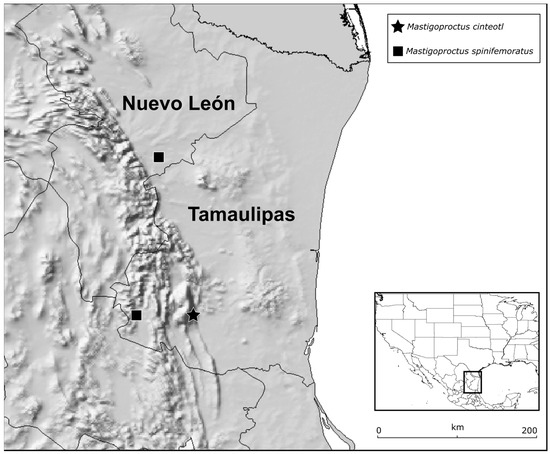
Mastigoproctus Pocock, 1894, is the most speciose genus in the thelyphonid subfamily Mastigoproctinae Speijer, 1933, with eighteen described species distributed from the Southern United States to Colombia and Venezuela. Ten of these species occur in Mexico. In the present contribution, Mastigoproctus spinifemoratus, [...] Read more.
Mastigoproctus Pocock, 1894, is the most speciose genus in the thelyphonid subfamily Mastigoproctinae Speijer, 1933, with eighteen described species distributed from the Southern United States to Colombia and Venezuela. Ten of these species occur in Mexico. In the present contribution, Mastigoproctus spinifemoratus, sp. nov., is described based on an adult male and two juveniles from Eastern Nuevo León and Southwestern Tamaulipas, Mexico. It differs from five other species of Mastigoproctus, in which spiniform tubercles are present on the retrolateral surface of the pedipalp femur, in the ventrally directed epistome of the carapace, and the absence of an accessory spine on the prodorsal margin of the pedipalp trochanter. The new species raises the number of Mastigoproctus species to nineteen and the number in Mexico to eleven. Full article
►▼ Show Figures

Figure 1

25 pages, 7600 KiB  
Review
A Review of Enhanced Methods for Oil Recovery from Sediment Void Oil Storage in Underground Salt Caverns
by Xinxing Wei, Xilin Shi, Yinping Li, Peng Li, Mingnan Xu, Yashuai Huang and Yang Hong
Energies 2025, 18(2), 360; https://doi.org/10.3390/en18020360 (registering DOI) - 16 Jan 2025
Abstract
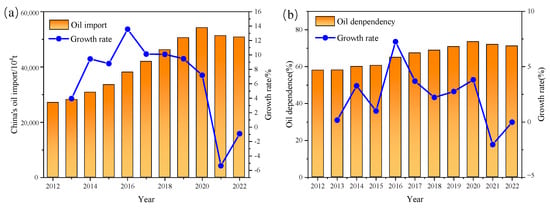
Salt caverns are recognized as an excellent medium for energy storage. However, due to the unique characteristics of China’s bedded salt formations, which contain numerous salt layers and a high concentration of insoluble impurities, significant accumulation at the bottom of salt caverns occurs, [...] Read more.
Salt caverns are recognized as an excellent medium for energy storage. However, due to the unique characteristics of China’s bedded salt formations, which contain numerous salt layers and a high concentration of insoluble impurities, significant accumulation at the bottom of salt caverns occurs, leading to the formation of extensive sediment voids. These sediment voids offer a potential space for underground oil storage, referred to as sediment void oil storage (SVOS). Oil recovery process from these sediment voids is a critical process. This paper summarizes the oil recovery technologies for SVOS and identifies four key factors—geological evaluation, stability evaluation, tightness evaluation, and oil storage capacity—all of which influence enhance oil recovery from sediment voids. This paper also outlines the overall oil recovery process, presents oil recovery experiments, and discusses oil recovery methods for enhancing oil recovery from sediment void. Additionally, it addresses the challenges of oil recovery in SVOS and explores its potential advantages and applications. The findings suggest that salt cavern sediment voids, as a promising storage space, provide a new approach to realize oil recovery and can overcome the limitations associated with cavern construction in high-impurity salt mines. The oil recovery from the sediment void is feasible, and China has rich rock salt and other convenient conditions to develop SVOS technology. Full article
(This article belongs to the Special Issue Enhanced Oil Recovery: Numerical Simulation and Deep Machine Learning)
►▼ Show Figures

Figure 1

39 pages, 7821 KiB  
Article
Integrated Renewable Energy Systems for Buildings: An Assessment of the Environmental and Socio-Economic Sustainability
by Hossam A. Gabbar and A. Ramadan
Sustainability 2025, 17(2), 656; https://doi.org/10.3390/su17020656 (registering DOI) - 16 Jan 2025
Abstract
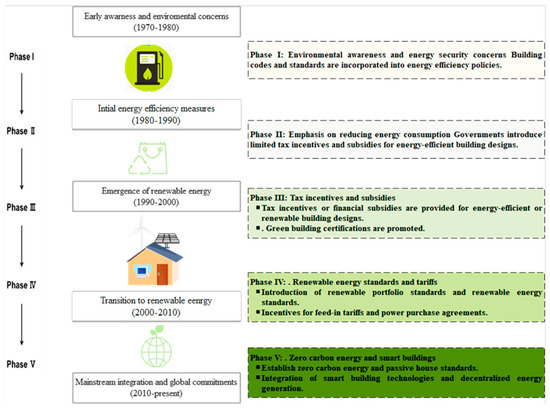
Developing a green energy strategy for municipalities requires creating a framework to support the local production, storage, and use of renewable energy and green hydrogen. This framework should cover essential components for small-scale applications, including energy sources, infrastructure, potential uses, policy backing, and [...] Read more.
Developing a green energy strategy for municipalities requires creating a framework to support the local production, storage, and use of renewable energy and green hydrogen. This framework should cover essential components for small-scale applications, including energy sources, infrastructure, potential uses, policy backing, and collaborative partnerships. It is deployed as a small-scale renewable and green hydrogen unit in a municipality or building demands meticulous planning and considering multiple elements. Municipality can promote renewable energy and green hydrogen by adopting policies such as providing financial incentives like property tax reductions, grants, and subsidies for solar, wind, and hydrogen initiatives. They can also streamline approval processes for renewable energy installations, invest in hydrogen refueling stations and community energy projects, and collaborate with provinces and neighboring municipalities to develop hydrogen corridors and large-scale renewable projects. Renewable energy and clean hydrogen have significant potential to enhance sustainability in the transportation, building, and mining sectors by replacing fossil fuels. In Canada, where heating accounts for 80% of building energy use, blending hydrogen with LPG can reduce emissions. This study proposes a comprehensive approach integrating renewable energy and green hydrogen to support small-scale applications. The study examines many scenarios in a building as a case study, focusing on economic and greenhouse gas (GHG) emission impacts. The optimum scenario uses a hybrid renewable energy system to meet two distinct electrical needs, with 53% designated for lighting and 10% for equipment with annual saving CAD$ 87,026.33. The second scenario explores utilizing a hydrogen-LPG blend as fuel for thermal loads, covering 40% and 60% of the total demand, respectively. This approach reduces greenhouse gas emissions from 540 to 324 tCO2/year, resulting in an annual savings of CAD$ 251,406. This innovative approach demonstrates the transformative potential of renewable energy and green hydrogen in enhancing energy efficiency and sustainability across sectors, including transportation, buildings, and mining. Full article
►▼ Show Figures

Figure 1

26 pages, 1316 KiB  
Review
Characteristics and Functional Properties of Bioactive Oleogels: A Current Review
by Md. Jannatul Ferdaus, Niaz Mahmud, Sudipta Talukder and Roberta Claro da Silva
Gels 2025, 11(1), 69; https://doi.org/10.3390/gels11010069 (registering DOI) - 16 Jan 2025
Abstract
Oleogels have been a revolutionary innovation in food science in terms of their health benefits and unique structural properties. They provide a healthier alternative to traditional solid or animal fats. They have improved oxidative stability and nutritional value to maintain the desirable sensory [...] Read more.
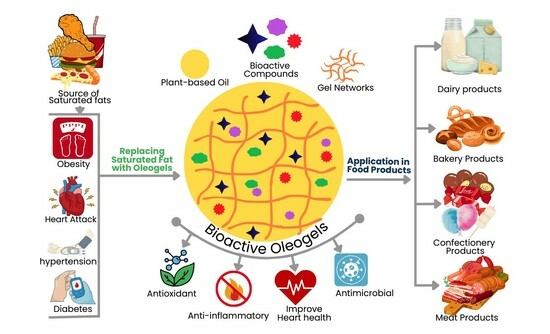
Oleogels have been a revolutionary innovation in food science in terms of their health benefits and unique structural properties. They provide a healthier alternative to traditional solid or animal fats. They have improved oxidative stability and nutritional value to maintain the desirable sensory qualities of lipid-based foods. Moreover, oleogels offer an ideal carrier for poorly water-soluble bioactive compounds. The three-dimensional structure of oleogels can protect and deliver bioactive compounds in functional food products. Bioactive compounds also affect the crystalline behavior of oleogelators, the physical properties of oleogels, and storage stability. Generally, different incorporation techniques are applied to entrap bioactive compounds in the oleogel matrix depending on their characteristics. These approaches enhance the bioavailability, controlled release, stability of bioactive compounds, and the shelf life of oleogels. The multifunctionality of oleogels extends their applications beyond fat replacements, e.g., food preservation, nutraceutical delivery, and even novel innovations like 3D food printing. Despite their potential, challenges such as large-scale production, cost efficiency, and consumer acceptance remain areas for further exploration. This review emphasizes the understanding of the relationship between the structure of oleogels and their functional properties to optimize their design in different food applications. It also highlights the latest advancements in bioactive oleogels, focusing on how they incorporate bioactive compounds such as polyphenols, essential oils, and flavonoids into oleogels. The impact of these compounds on the gelation process, storage stability, and overall functionality of oleogels is also critically examined. Full article
(This article belongs to the Special Issue Design, Fabrication, and Applications of Food Composite Gels)
►▼ Show Figures

Graphical abstract

13 pages, 926 KiB  
Article
Synthesis of Alkyl α-Amino-benzylphosphinates by the Aza-Pudovik Reaction; The Preparation of the Butyl Phenyl-H-phosphinate Starting P-Reagent
by Bence Bajusz, Dorka Nagy, Regina Tóth, Zsuzsanna Szalai, Ágnes Gömöry, Angéla Takács, László Kőhidai and György Keglevich
Molecules 2025, 30(2), 339; https://doi.org/10.3390/molecules30020339 (registering DOI) - 16 Jan 2025
Abstract
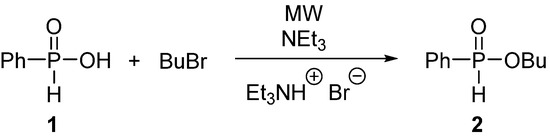
Butyl phenyl-H-phosphinate that is not available commercially was prepared from phenyl-H-phosphinic acid by three methods: by alkylating esterification (i), by microwave-assisted direct esterification (ii), and unexpectedly, by thermal esterification (iii). Considering the green aspects, selectivity and scalability, the thermal [...] Read more.
Butyl phenyl-H-phosphinate that is not available commercially was prepared from phenyl-H-phosphinic acid by three methods: by alkylating esterification (i), by microwave-assisted direct esterification (ii), and unexpectedly, by thermal esterification (iii). Considering the green aspects, selectivity and scalability, the thermal variation seemed to be optimal. However, there was need for prolonged heating. The butyl phenyl-H-phosphinate, along with the ethyl analogue, was utilized in the synthesis of alkyl (α-alkylamino-arylmethyl-)phenyl phosphinates in the aza-Pudovik reaction with imines obtained from primary amines and substituted benzaldehydes. The aminophosphinates were obtained as diastereomeric mixtures in 65–92% yields. The aza-Pudovik approach was more efficient than the Kabachnik–Fields condensation. Interestingly, one aminophosphinate, the butyl (α-butylamino-benzyl-)phenylphosphinate, was of significant cytotoxic activity on the PANC-1 pancreas cell line. Another derivative, ethyl (α-benzylamino-benzyl-)phenylphosphinate, revealed a selective toxic activity on U266 myeloma cells. Full article
►▼ Show Figures

Scheme 1

5 pages, 155 KiB  
Editorial
Recent Advances in Electromagnetic Devices: Design and Optimization
by Chanik Kang and Haejun Chung
Micromachines 2025, 16(1), 98; https://doi.org/10.3390/mi16010098 (registering DOI) - 16 Jan 2025
Abstract
Electromagnetic devices are a continuous driving force in cutting-edge research and technology, finding applications in diverse fields such as optics [...] Full article
(This article belongs to the Special Issue Recent Advances in Electromagnetic Devices)
11 pages, 3522 KiB  
Article
Volumetric and Linear Adaptation of an Indirect Adhesive Restoration: Comparison of Chairside 3D Printing and Milling Techniques
by Andrea Baldi, Tommaso Rossi, Ilaria Stura, Allegra Comba, Mauro Fazioni, Chiara Rolando, Giorgio Ferrero, Paola Ceruti and Nicola Scotti
Appl. Sci. 2025, 15(2), 828; https://doi.org/10.3390/app15020828 (registering DOI) - 16 Jan 2025
Abstract
The aim of this study was to the evaluate volumetric and linear adaptation of an indirect adhesive restoration, comparing a novel chairside 3D printer to conventional milling techniques. An intact upper premolar was selected, prepared for an overlay restoration, and replicated. A standardized [...] Read more.
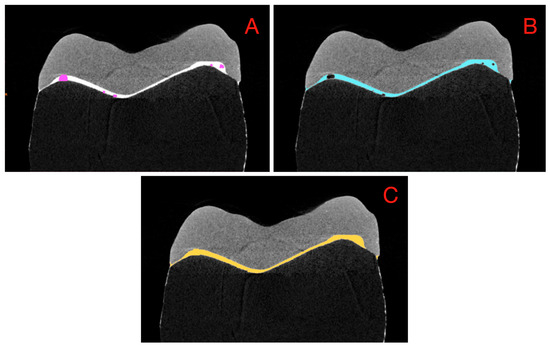
The aim of this study was to the evaluate volumetric and linear adaptation of an indirect adhesive restoration, comparing a novel chairside 3D printer to conventional milling techniques. An intact upper premolar was selected, prepared for an overlay restoration, and replicated. A standardized overlay restoration was designed with CAD software (Cerec inLab CAD SW 4.5.2, Dentsply Sirona, Charlotte, NC, USA), maintaining equal morphology for each sample. Restorations were produced with three CAM processes: chairside 3D printer (D-FAB, DWS, Thiene, Italy), chairside milling unit (Cerec MCXL, Dentsply Sirona, Charlotte, NC, USA), and an industrial milling machine serving as control (Micro 5x, Aman Girrbach, Mäder, Austria). Once cemented, specimens were scanned using micro-computed tomography to assess volumetric, internal, and external adaptation. Data were statistically analyzed with ANOVA and post hoc Bonferroni tests. CAM technique significantly affected volumetric adaptation (p < 0.001), with the chairside 3D printer performing the best and chairside milling unit the worst. Concerning internal adaptation, the chairside milling unit performed significantly worse than the other groups (p < 0.001). No significant differences were reported for external adaptation (p > 0.05). In conclusion, CAM technique influenced volumetric and internal adaptation, with the 3D printer showing optimal volumetric adaptation and chairside milling poor internal adaptation. Full article
(This article belongs to the Section Applied Dentistry and Oral Sciences)
►▼ Show Figures

Figure 1

15 pages, 874 KiB  
Article
Mycological Profile and Associated Factors Among Patients with Dermatophytosis in Astana, Kazakhstan
by Alma Aimoldina, Ainura Smagulova, Gulnar Batpenova, Nellie Konnikov, Togzhan Algazina, Zulfiya Jetpisbayeva, Dinara Azanbayeva, Darkhan Amantayev and Vladimir Kiyan
J. Fungi 2025, 11(1), 65; https://doi.org/10.3390/jof11010065 (registering DOI) - 16 Jan 2025
Abstract
Dermatophytosis, also known as Tinea infection, remains a significant interdisciplinary concern worldwide. This dermatophyte infection may be more serious in individuals with underlying somatic diseases, immunodeficiencies, endocrine disorders, or chronic illnesses. This study analyzed 313 patients with suspected dermatophytosis. Data were gathered through [...] Read more.
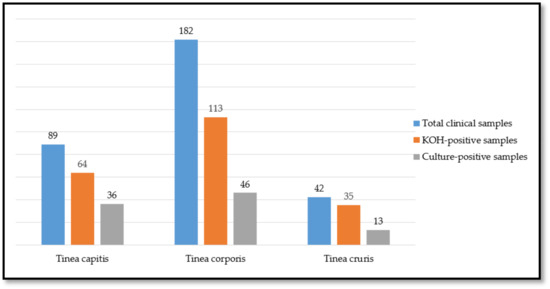
Dermatophytosis, also known as Tinea infection, remains a significant interdisciplinary concern worldwide. This dermatophyte infection may be more serious in individuals with underlying somatic diseases, immunodeficiencies, endocrine disorders, or chronic illnesses. This study analyzed 313 patients with suspected dermatophytosis. Data were gathered through questionnaires and medical records were reviewed. Biological samples were cultured on Sabouraud dextrose agar, and PCR was employed to assess the genetic diversity of strains. Statistical analysis was conducted using SPSS version 26. The overall prevalence of dermatophytosis in the cohort was 30.4%. Among the cultured isolates, 73.7% were identified as Microsporum canis, while 26.3% were identified as Trichophyton species, including T. mentagrophytes, T. tonsurans, and T. verrucosum. Several factors were significantly associated with an increased risk of dermatophytosis, including the following: male gender (AOR = 1.97), age 1–10 years (AOR = 3.80), living in rural areas (AOR = 2.30), visiting public bathhouses (AOR = 2.32), visiting massage parlors (AOR = 1.39), contact with cats (AOR = 2.32), family history of dermatophytosis (AOR = 3.04), and sexual contact with an infected or unknown partner (AOR = 3.08). Dermatophytosis was identified in approximately one third of the patients by culture (30.4%), with the risk heightened in individuals under 10 years old (43.6%), those living in rural areas (33.3%), and those with a family history of dermatophytosis (35.7%) or close contact with cats (39.4%). The findings underscore the need for strengthened preventive measures and targeted diagnostics, particularly among high-risk groups. Full article
(This article belongs to the Section Fungal Pathogenesis and Disease Control)
►▼ Show Figures

Figure 1

18 pages, 1880 KiB  
Article
A One Health Perspective on Multidrug Resistance Amongst Iberian Exotic Pet Owners
by Fábio Cardoso-Freitas, Stéphanie M. Mota, Vanessa Silva, Albert Martinez-Silvestre, Ângela Martins and Patrícia Poeta
Vet. Sci. 2025, 12(1), 64; https://doi.org/10.3390/vetsci12010064 (registering DOI) - 16 Jan 2025
Abstract
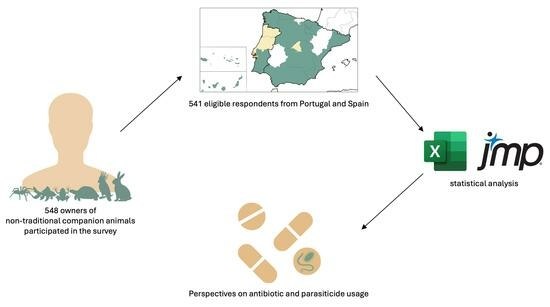
Understanding owners’ realities and perceptions may be crucial to helping veterinarians be more effective in their daily work. Noticing the lack of publications in this area, specifically on exotic pets, prompted us to gather insights into non-traditional companion animal owners. A survey was [...] Read more.
Understanding owners’ realities and perceptions may be crucial to helping veterinarians be more effective in their daily work. Noticing the lack of publications in this area, specifically on exotic pets, prompted us to gather insights into non-traditional companion animal owners. A survey was conducted, resulting in 541 respondents from Portugal and Spain. The results were characterised based on demographics, data on trade and antibiotic and parasiticide use, and the relations between these variables. We found that there is still a considerable part of unregistered animals and that, overall, owners acknowledged antimicrobial resistance and inadequate use of parasiticides. Hopefully, these data will help veterinarians in tackling these problems and enhance owners’ education and compliance. Full article
(This article belongs to the Section Veterinary Microbiology, Parasitology and Immunology)
►▼ Show Figures

Graphical abstract

15 pages, 7577 KiB  
Article
Experimental Investigation of Stability of Emulsions Produced by Catastrophic Phase Inversion Using Non-Ionic Surfactants
by Maria Doutsi, Maria C. Vlachou, Christos Koukiotis, Margaritis Kostoglou and Thodoris D. Karapantsios
Colloids Interfaces 2025, 9(1), 6; https://doi.org/10.3390/colloids9010006 (registering DOI) - 16 Jan 2025
Abstract
Emulsions stabilized by environmentally friendly surfactants have been at the center of research attention over recent decades. Non-ionic surfactants with good biodegradability, while being non-toxic and non-irritating, have dominated in this area. For a chosen system, the main goal is to engineer its [...] Read more.
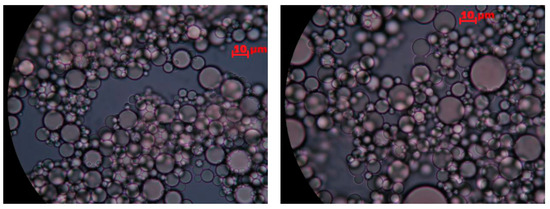
Emulsions stabilized by environmentally friendly surfactants have been at the center of research attention over recent decades. Non-ionic surfactants with good biodegradability, while being non-toxic and non-irritating, have dominated in this area. For a chosen system, the main goal is to engineer its properties for smaller droplet sizes and better stability, a process which is mainly derived from the emulsification method. In the present study, Ethylan 1005 and Ethylan 1008 were used as stabilizers, both alone and combined at different ratios, in eco-friendly emulsions produced by paraffin oil and Millipore water, via direct emulsification, catastrophic phase inversion and catastrophic phase inversion in droplets. During the experiments, the emulsions’ rheological behavior, phase separation, and droplet size distribution profiles were measured. Catastrophic phase inversion in droplets resulted in the finest droplet size distributions for both emulsifiers when used alone. As the concentration of Ethylan 1008 increased from 0% to 100% in the surfactant mixtures, the droplets’ mean diameter and range also increased, indicting degradation of emulsion stability. However, phase separation tests revealed the opposite. Explanation was found in the chemical structure of the two emulsions and the steric phenomena caused by this, while a semi-quantitative analysis of these trends was also developed. Full article
►▼ Show Figures

Figure 1

12 pages, 7274 KiB  
Article
Synthesis and Insecticidal/Fungicidal Activities of Triazone Derivatives Containing Acylhydrazone Moieties
by Peipei Cui and Yan Yang
Molecules 2025, 30(2), 340; https://doi.org/10.3390/molecules30020340 (registering DOI) - 16 Jan 2025
Abstract
A series of novel triazone derivatives containing aldehyde hydrazone or ketone hydrazone moieties were designed, synthesized and their biological activities were investigated against Aphis craccivora, Culex pipiens pallens, Helicoverpa armigera, Ostrinia nubilalis, Mythimna separata and 14 Kinds of fungi. [...] Read more.
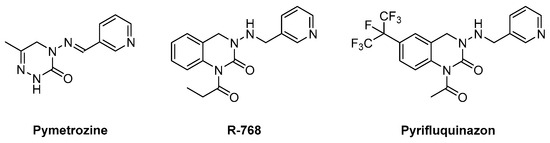
A series of novel triazone derivatives containing aldehyde hydrazone or ketone hydrazone moieties were designed, synthesized and their biological activities were investigated against Aphis craccivora, Culex pipiens pallens, Helicoverpa armigera, Ostrinia nubilalis, Mythimna separata and 14 Kinds of fungi. Most of the aldehyde hydrazone exhibited excellent insecticidal activities against A. craccivora. In particular, the aphicidal activities of compounds 3t (35%) and 3w (30%) were equivalent to pymetrozine (30%) at 5 mg/kg. The aphicidal activities of derivatives 3p, 3u, 3y, 5g, 5i, 5l, 5q and 5u against C. pipiens pallens were higher than that of pymetrozine. Compound 3u (100%) exhibited good larvicidal activities against C. pipiens pallens at 0.25 mg/kg. Most derivatives exhibited broad-spectrum fungicidal activities against 14 kinds of plant fungi at 50 mg/kg. Thirty-nine compounds exhibited a more than 50% inhibition rate against Physalospora piricola. Compounds 3h, 3t and 3w were expected to be the leading structure for the development of new triazone insecticides agents. Full article
►▼ Show Figures

Figure 1

15 pages, 3574 KiB  
Article
Machine Learning Models for Predicting Thermal Properties of Radiative Cooling Aerogels
by Chengce Yuan, Yimin Shi, Zhichen Ba, Daxin Liang, Jing Wang, Xiaorui Liu, Yabei Xu, Junreng Liu and Hongbo Xu
Gels 2025, 11(1), 70; https://doi.org/10.3390/gels11010070 (registering DOI) - 16 Jan 2025
Abstract
The escalating global climate crisis and energy challenges have made the development of efficient radiative cooling materials increasingly urgent. This study presents a machine-learning-based model for predicting the performance of radiative cooling aerogels (RCAs). The model integrated multiple parameters, including the material composition [...] Read more.
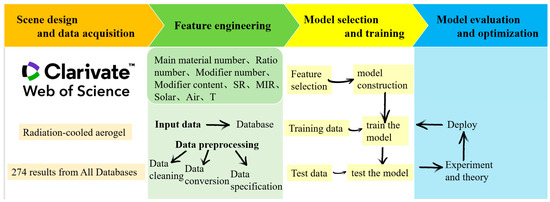
The escalating global climate crisis and energy challenges have made the development of efficient radiative cooling materials increasingly urgent. This study presents a machine-learning-based model for predicting the performance of radiative cooling aerogels (RCAs). The model integrated multiple parameters, including the material composition (matrix material type and proportions), modification design (modifier type and content), optical properties (solar reflectance and infrared emissivity), and environmental factors (solar irradiance and ambient temperature) to achieve accurate cooling performance predictions. A comparative analysis of various machine learning algorithms revealed that an optimized XGBoost model demonstrated superior predictive performance, achieving an R2 value of 0.943 and an RMSE of 1.423 for the test dataset. An interpretability analysis using Shapley additive explanations (SHAPs) identified a ZnO modifier (SHAP value, 1.523) and environmental parameters (ambient temperature, 1.299; solar irradiance, 0.979) as the most significant determinants of cooling performance. A feature interaction analysis further elucidated the complex interplay between the material composition and environmental conditions, providing theoretical guidance for material optimization. Full article
(This article belongs to the Special Issue Aerogels—Preparation and Properties)
►▼ Show Figures

Figure 1

18 pages, 12286 KiB  
Article
Effects of Annealing Conditions on the Catalytic Performance of Anodized Tin Oxide for Electrochemical Carbon Dioxide Reduction
by Nicolò B. D. Monti, Juqin Zeng, Micaela Castellino, Samuele Porro, Mitra Bagheri, Candido F. Pirri, Angelica Chiodoni and Katarzyna Bejtka
Nanomaterials 2025, 15(2), 121; https://doi.org/10.3390/nano15020121 (registering DOI) - 16 Jan 2025
Abstract
The electrochemical reduction of CO2 (CO2RR) to value-added products has garnered significant interest as a sustainable solution to mitigate CO2 emissions and harness renewable energy sources. Among CO2RR products, formic acid/formate (HCOOH/HCOO−) is particularly attractive [...] Read more.
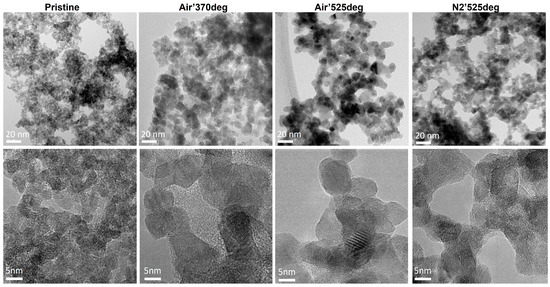
The electrochemical reduction of CO2 (CO2RR) to value-added products has garnered significant interest as a sustainable solution to mitigate CO2 emissions and harness renewable energy sources. Among CO2RR products, formic acid/formate (HCOOH/HCOO−) is particularly attractive due to its industrial relevance, high energy density, and potential candidate as a liquid hydrogen carrier. This study investigates the influence of the initial oxidation state of tin on CO2RR performance using nanostructured SnOx catalysts. A simple, quick, scalable, and cost-effective synthesis strategy was employed to fabricate SnOx catalysts with controlled oxidation states while maintaining consistent morphology and particle size. The catalysts were characterized using SEM, TEM, XRD, Raman, and XPS to correlate structure and surface properties with catalytic performance. Electrochemical measurements revealed that SnOx catalysts annealed in air at 525 °C exhibited the highest formate selectivity and current density, attributed to the optimized oxidation state and the presence of oxygen vacancies. Flow cell tests further demonstrated enhanced performance under practical conditions, achieving stable formate production with high faradaic efficiency over prolonged operation. These findings highlight the critical role of tin oxidation states and surface defects in tuning CO2RR performance, offering valuable insights for the design of efficient catalysts for CO2 electroreduction to formate. Full article
(This article belongs to the Section Energy and Catalysis)
►▼ Show Figures

Figure 1

14 pages, 2160 KiB  
Article
Quickly Finding the Semantically Optimal Presentation Order for a Set of Text Artifacts
by Daniel S. Soper
Information 2025, 16(1), 59; https://doi.org/10.3390/info16010059 (registering DOI) - 16 Jan 2025
Abstract
This study considers how to quickly find the order in which to present a set of text artifacts on mobile apps or websites such that those artifacts are maximally semantically separated. Semantic separation is desirable because it ensures that users experience as much [...] Read more.
This study considers how to quickly find the order in which to present a set of text artifacts on mobile apps or websites such that those artifacts are maximally semantically separated. Semantic separation is desirable because it ensures that users experience as much novelty as possible from one item to the next, thereby improving user attention and engagement. Since an exhaustive search of all possible sequences of text items becomes increasingly infeasible as the length of the sequence grows, a new algorithm is proposed to quickly find the semantically optimal presentation order for a set of text artifacts. The performance of the proposed algorithm is evaluated using an extensive set of experiments involving three different types of text artifacts, seven different sequence lengths, and more than 600 experimental trials. The results demonstrate that the proposed algorithm can select statistically optimal sequences of text artifacts extremely quickly, regardless of the type of text artifacts being used as input or the length of the sequence. App and website developers who are seeking to hold users’ attention and improve user engagement may therefore find the proposed algorithm very attractive in comparison to an exhaustive search. Full article
(This article belongs to the Special Issue Text Mining: Challenges, Algorithms, Tools and Applications)
►▼ Show Figures

Graphical abstract

13 pages, 906 KiB  
Article
Zootechnical and Municipal Solid Waste Digestates: Effects on Soil Nitrogen Mineralization and Kinetics
by Gabriella Rossi, Claudio Beni, Silvia Socciarelli and Ulderico Neri
Biomass 2025, 5(1), 5; https://doi.org/10.3390/biomass5010005 (registering DOI) - 16 Jan 2025
Abstract
Soil fertilization with fertilizers derived from renewable sources is a topic of great interest in terms of the sustainable management of organic waste. To optimize the management of nitrogen supplied to the soil with digestates, it is necessary to deepen knowledge on the [...] Read more.
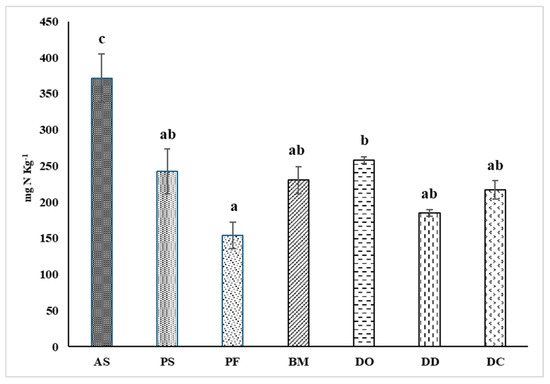
Soil fertilization with fertilizers derived from renewable sources is a topic of great interest in terms of the sustainable management of organic waste. To optimize the management of nitrogen supplied to the soil with digestates, it is necessary to deepen knowledge on the process of mineralization of organic nitrogen over time. In this research, a laboratory incubation system was utilized to study the impact of various digestate sources on nitrogen mineralization processes in soils and nitrogen mineralization kinetics. Six types of digestates of different origins and composition were administered to soil and the soil samples were placed under controlled conditions. The release of N was determined by measuring ammonium-N and nitrate-N concentrations in leachates during a 12-week period of incubation. The nonlinear regression technique was used to fit the cumulative leaching of total N to the Stanford and Smith first-order kinetic model during the incubation period. The results showed that the differences between digestates, nitrogen and organic carbon concentration, and C/N ratio influenced both ammonification and nitrification processes in the soil and the nitrogen mineralization kinetics. The processing of the statistical data highlighted that the potentially mineralizable nitrogen (MPN) followed first-order kinetics. Full article
►▼ Show Figures

Figure 1

Open Access Journals

► Browse by Indexing ► Browse by Subject ► Selected Journals
Back to TopTop