Journal Description
International Journal of Environmental Research and Public Health
(IJERPH) is a transdisciplinary, peer-reviewed, open access journal that covers global health, healthcare sciences, behavioral and mental health, infectious diseases, chronic diseases and disease prevention, exercise and health related quality of life, environmental health and environmental sciences, and is published monthly online by MDPI. The International Society Doctors for the Environment (ISDE), Italian Society of Environmental Medicine (SIMA) and Environmental Health Association of Québec (ASEQ‑EHAQ) are affiliated with IJERPH and their members receive discounts on the article processing charges.
- Open Access— free for readers, with article processing charges (APC) paid by authors or their institutions.
- High Visibility: indexed within Scopus, PubMed, MEDLINE, PMC, Embase, GEOBASE, CAPlus / SciFinder, and other databases.
- Journal Rank: CiteScore - Q1 (Public Health, Environmental and Occupational Health)
- Rapid Publication: manuscripts are peer-reviewed and a first decision is provided to authors approximately 24 days after submission; acceptance to publication is undertaken in 3.8 days (median values for papers published in this journal in the first half of 2026).
- Recognition of Reviewers: Reviewers whose reports are timely and of high quality receive an APC discount voucher for a future publication in an MDPI journal. Become a reviewer.
- Sections: published in 7 topical sections.
- Journal Cluster of Public Health: International Journal of Environmental Research and Public Health, Infectious Disease Reports, Epidemiologia, Occupational Health, International Journal of Environmental Medicine (IJEM), Journal of Market Access & Health Policy (JMAHP), Hygiene, Trends in Public Health, Digital Health and Innovation (DHI), Green Health and Health Economics and Policy.
- Companion journal: Trends in Public Health
Latest Articles
Effectiveness of an Educational Training Program on Nursing Students’ Sustainability Knowledge, Attitudes, and Behaviors Toward Green Hospital Practices
Int. J. Environ. Res. Public Health 2026, 23(10), 1289; https://doi.org/10.3390/ijerph23101289 - 5 Oct 2026
Abstract
Background: Healthcare systems contribute substantially to environmental pollution, making sustainability education an essential component of nursing curricula. Preparing nursing students to implement environmentally responsible practices is fundamental to sustainable healthcare delivery. This study evaluated the effectiveness of a structured educational training program on
[...] Read more.
Background: Healthcare systems contribute substantially to environmental pollution, making sustainability education an essential component of nursing curricula. Preparing nursing students to implement environmentally responsible practices is fundamental to sustainable healthcare delivery. This study evaluated the effectiveness of a structured educational training program on nursing students’ knowledge, attitudes, and self-reported behaviors regarding green hospital practices and sustainability in maternity care. Methods: A post-test-only quasi-experimental study was conducted among 240 undergraduate nursing students enrolled in the Obstetrics and Gynecological Nursing Department between October and December 2025. Participants were randomly assigned to either an intervention group (n = 120), which received a structured sustainability-focused educational training program covering sustainable healthcare principles, green hospital practices, healthcare waste management, resource conservation, environmentally responsible maternity care, and the role of nurses in promoting sustainability, or a control group (n = 120), which received the standard nursing curriculum. Outcomes were assessed using a validated structured questionnaire measuring sustainability-related knowledge, attitudes, and self-reported behaviors across environmental, social, and economic domains. Data were analyzed using descriptive and inferential statistics, with statistical significance set at *p* < 0.05. Results: Students in the intervention group demonstrated significantly higher knowledge, attitude, and self-reported behavior scores than those in the control group across all sustainability domains (all *p* < 0.001). Conclusions: The structured educational training program significantly improved nursing students’ sustainability-related knowledge, attitudes, and self-reported behaviors. Integrating sustainability education into undergraduate nursing curricula may enhance students’ preparedness to implement environmentally responsible practices in maternity care. Further multicenter studies with longer follow-up are recommended to evaluate the long-term effectiveness of sustainability education.
Full article
Open AccessArticle
Associations of Home and Time-Weighted Routine Activity Space Food Environments with Dietary Quality: Results from the Everyday Environments and Experiences (E3) Study
by
Nathan Ryder, Ulf G. Bronas, Nathan L. Tintle, Jason Westra and Kiarri N. Kershaw
Int. J. Environ. Res. Public Health 2026, 23(10), 1288; https://doi.org/10.3390/ijerph23101288 - 5 Oct 2026
Abstract
►▼
Show Figures
Despite considerable research on residential food environments and dietary behavior, evidence linking neighborhood food access to dietary intake remains inconclusive. Activity space approaches, which account for the full range of locations people routinely visit, may better capture real-world food environment exposures. Using data
[...] Read more.
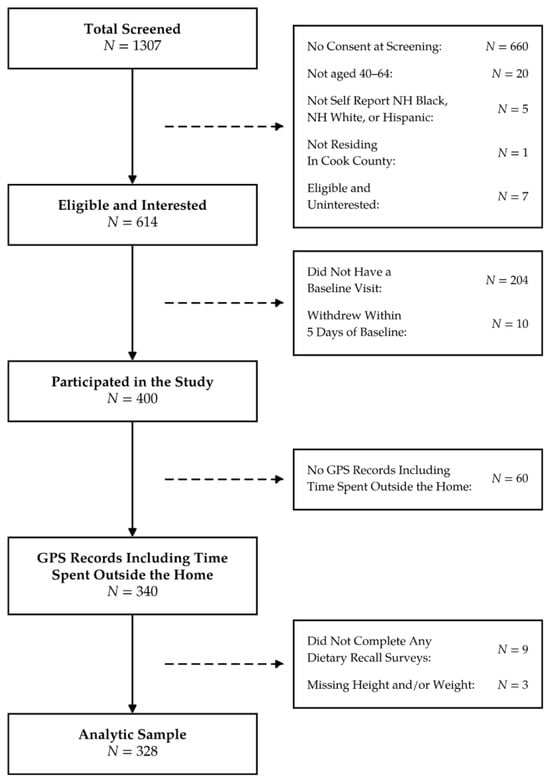
Despite considerable research on residential food environments and dietary behavior, evidence linking neighborhood food access to dietary intake remains inconclusive. Activity space approaches, which account for the full range of locations people routinely visit, may better capture real-world food environment exposures. Using data from the Everyday Environments and Experiences (E3) Study, a cross-sectional study of 328 racially and ethnically diverse midlife adults in Cook County, Illinois, we compared associations of time-weighted Global Positioning System-derived activity space and home food environment measures with diet quality. Food environment measures included distance to nearest convenience store, fast food chain restaurant, and supermarket. Dietary quality was assessed from multiple 24 h dietary recalls and operationalized using the Healthy Eating Index-2020. Shorter distances to food outlets in participants’ routine activity spaces, but not outlet density, were associated with better dietary quality after adjustment for sociodemographic characteristics (age, gender, race/ethnicity, income, education, and season). No statistically significant associations were observed for any home-based food environment measure, and relationships did not vary by sociodemographic characteristics. These findings highlight the value of activity space approaches for capturing food environment exposures that residential measures do not.
Full article

Figure 1
Open AccessArticle
Injured Soldiers’ Perspectives on the Prevention of Freezing Cold Injuries in the Norwegian Armed Forces: A Secondary Qualitative Analysis
by
Tuva Steinberg, Arne Johan Norheim, Agnete E. Kristoffersen, Geir Bjerkan and Trine Stub
Int. J. Environ. Res. Public Health 2026, 23(10), 1287; https://doi.org/10.3390/ijerph23101287 - 4 Oct 2026
Abstract
Freezing cold injuries (FCIs) remain a recurrent challenge in cold-weather military operations despite preventive routines and extensive institutional experience in the Norwegian Armed Forces (NAF). A previous published qualitative study examined the causes and consequences of FCIs and the possible influence of military
[...] Read more.
Freezing cold injuries (FCIs) remain a recurrent challenge in cold-weather military operations despite preventive routines and extensive institutional experience in the Norwegian Armed Forces (NAF). A previous published qualitative study examined the causes and consequences of FCIs and the possible influence of military culture. The present secondary analysis examined the same interviews to address a prevention-oriented research question: what did injured soldiers believe could have been done differently to reduce the incidence of FCIs? Three themes emerged from the analysis: (1) translating FCI education into practice, (2) communication and preventive routines, and (3) participant suggestions for preventive actions. Despite receiving formal training, participants described difficulties with applying FCI knowledge and protocols under operational pressure. Their accounts suggest that prevention depends not only on general awareness but also on whether preventive knowledge and routines can be effectively applied under operational conditions.
Full article
(This article belongs to the Section Environmental Health)
Open AccessArticle
Cross-Cultural Adaptation and Psychometric Evaluation of the 41-Item Slovenian College Student Physical Literacy Questionnaire
by
David Kukovica, Janja Usenik and Črtomir Matejek
Int. J. Environ. Res. Public Health 2026, 23(10), 1286; https://doi.org/10.3390/ijerph23101286 - 3 Oct 2026
Abstract
►▼
Show Figures
Background: The transition to university often involves lifestyle changes, reduced physical activity, increased sedentary behaviour, and greater responsibility for health-related choices, making university students an important population for health promotion. Assessing physical literacy may help inform research on students’ engagement in active lifestyles.
[...] Read more.
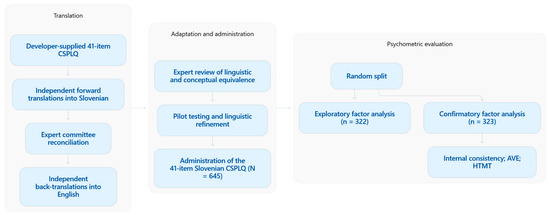
Background: The transition to university often involves lifestyle changes, reduced physical activity, increased sedentary behaviour, and greater responsibility for health-related choices, making university students an important population for health promotion. Assessing physical literacy may help inform research on students’ engagement in active lifestyles. This study aimed to translate, culturally adapt, and evaluate the psychometric properties of the 41-item Slovenian College Student Physical Literacy Questionnaire (CSPLQ). Methods: The developer-supplied 41-item CSPLQ was translated and cross-culturally adapted through forward translation, back-translation, expert review, and pilot testing. A total of 645 Slovenian university students were randomly divided into exploratory (n = 322) and confirmatory (n = 323) factor analysis samples. Internal consistency, convergent validity, and discriminant validity were also examined. Results: An eight-factor exploratory solution explained 51.4% of the variance. The final 41-item confirmatory model comprised eight correlated dimensions conceptually grouped into four physical literacy domains and yielded CFI = 0.981, TLI = 0.979, RMSEA = 0.071, and SRMR = 0.084, with SRMR slightly exceeding the conventional reference value of 0.08. Ordinal alpha coefficients ranged from 0.742 to 0.878, although omega estimates indicated weaker internal consistency for Physical Activity Cognition (0.590–0.604) and borderline estimates for Sedentary Behaviour (0.698). All HTMT values were below 0.85. AVE-based evidence of within-dimension convergence was uneven, with the lowest AVE observed for Motivation (0.397). Conclusions: The findings provide initial evidence regarding the internal structure and internal consistency of the 41-item Slovenian CSPLQ, with uneven support across dimensions.
Full article

Figure 1
Open AccessReview
Public Health and Indoor Body Odor Control: Part 1—A Narrative Literature Review of Ventilation and Air Cleaning Approaches
by
Dino Pisaniello, Linh Nguyen, Chandnee Ramkissoon, WenWen Jiang, Mango Parker, Natoiya Lloyd and Lishi Cai
Int. J. Environ. Res. Public Health 2026, 23(10), 1285; https://doi.org/10.3390/ijerph23101285 - 3 Oct 2026
Abstract
►▼
Show Figures
Exposure to human body odors indoors can result in discomfort, dissatisfaction, and psychosomatic effects. Odorous bioeffluents can be classified as volatile or semi-volatile organic chemicals and are usually at very low air concentrations. Building mechanical ventilation standards are designed to mitigate occupant dissatisfaction
[...] Read more.
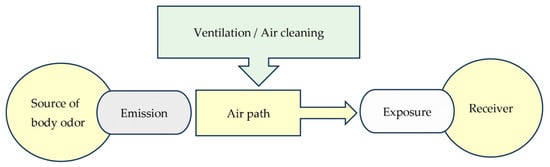
Exposure to human body odors indoors can result in discomfort, dissatisfaction, and psychosomatic effects. Odorous bioeffluents can be classified as volatile or semi-volatile organic chemicals and are usually at very low air concentrations. Building mechanical ventilation standards are designed to mitigate occupant dissatisfaction associated with such chemical exposure, and human odor sensory panels have been used for the assessment of satisfaction. However, there appears to be a limited understanding of the effectiveness of ventilation and supplementary air cleaning as exposure control measures. A multidisciplinary narrative literature review was conducted across five databases and the evidence assessed using the source–path–receiver conceptual framework. The review highlighted a range of exploratory studies, and systematic research programs mostly in controlled laboratory settings. The studies addressed general ventilation, local exhaust ventilation, and supplementary air cleaning technologies individually or in combination. Few studies investigated the control of specific odorous chemicals, some of which appear to be diagnostic of body regions. Further research with a wider range of chemicals, and in real world settings, should be undertaken. In this regard, human odor sensory panels can be used in conjunction with real-time chemical analysis to optimize body odor control measures via mechanical ventilation and multi-modal air cleaning.
Full article

Figure 1
Open AccessArticle
Comorbidity, Frailty, and Glycaemic Control Among Older Patients with Diabetes: A Multi-Centre Study in Vietnam
by
Wei Jin Wong, Tan Van Nguyen, Dung Ngoc Truong, Ying Zhang, Christopher Harrison, Mark Woodward and Tu Ngoc Nguyen
Int. J. Environ. Res. Public Health 2026, 23(10), 1284; https://doi.org/10.3390/ijerph23101284 - 3 Oct 2026
Abstract
Objectives. This study aimed to examine the burden of comorbidity and frailty in older adults with type 2 diabetes mellitus (T2DM) in Vietnam and their relationship with poor glycaemic control. Methods. This is a cross-sectional study of patients aged 60 years or older
[...] Read more.
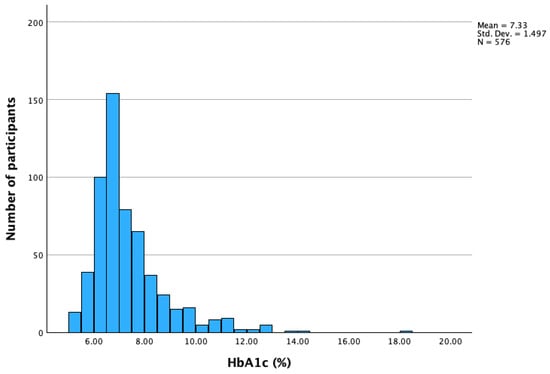
Objectives. This study aimed to examine the burden of comorbidity and frailty in older adults with type 2 diabetes mellitus (T2DM) in Vietnam and their relationship with poor glycaemic control. Methods. This is a cross-sectional study of patients aged 60 years or older diagnosed with T2DM who visited the cardio-metabolic clinics of two urban hospitals in Ho Chi Minh City, Vietnam, between November 2022 and June 2023. Poor glycaemic control was defined as HbA1c ≥ 8.0%. Comorbidity severity was assessed using the Charlson Comorbidity Index (CCI). Frailty was defined using Fried’s criteria. Multivariable logistic regression models were applied to identify the factors associated with poor glycaemic control. Results are presented as adjusted odds ratios (aOR) and 95% confidence intervals (CI). Results. There were 576 participants. They had a mean age of 71.9 (SD 7.6) years, 46% were female, 34% of the participants had moderate to severe comorbidity (CCI ≥ 3), 30% were frail and 46% were prefrail. The prevalence of poor glycaemic control was 22%. In the multivariable logistic models, the factors significantly associated with poor glycaemic control were frailty and duration of diabetes. Compared to the robust, the aORs were 2.86 (95%CI 1.35–6.04) among the frail, and 2.12 (95%CI 1.16–3.88) among the prefrail. Compared to those with 1–5 years of T2DM, the aORs were 3.19 (95%CI 1.13–8.99) among those with <1 year, 1.70 (95%CI 0.94–3.06) among those with 6–10 years, and 2.05 (95%CI 1.13–3.72) among those with >10 years. The relationship between comorbidity severity with poor glycemic control was not statistically significant. Conclusion. There was a high burden of comorbidity and frailty among the participants, and frailty was associated with greater odds of poor glycaemic control. Routine assessment of frailty is essential in managing long-term diabetes.
Full article
(This article belongs to the Special Issue Improving Healthcare Quality Across Diverse Populations)
►▼
Show Figures

Figure 1
Open AccessArticle
Impact of China’s Clean Heating Policy on Biomarkers of Inflammation and Oxidative Stress in Rural Beijing Adults: A Difference-in-Differences Analysis
by
Kaibing Xue, Wenlu Yuan, Guofeng Shen, Shu Tao and Yuanxun Zhang
Int. J. Environ. Res. Public Health 2026, 23(10), 1283; https://doi.org/10.3390/ijerph23101283 - 2 Oct 2026
Abstract
Household air pollution from coal and biomass combustion can increase chronic inflammation and oxidative stress, two biological pathways central to noncommunicable disease (NCD) development. In 2015, Beijing implemented a clean heating policy (CHP), replacing household coal stoves with gas or electric heating devices
[...] Read more.
Household air pollution from coal and biomass combustion can increase chronic inflammation and oxidative stress, two biological pathways central to noncommunicable disease (NCD) development. In 2015, Beijing implemented a clean heating policy (CHP), replacing household coal stoves with gas or electric heating devices in rural areas. Leveraging the phased village-level rollout of the CHP as a natural experiment, we estimated its effects on blood biomarkers of inflammation and oxidative stress (IL-6, TNF-α, CRP, and MDA) using a difference-in-differences (DiD) approach. We analyzed data from 1064 adults residing in 50 rural villages across two winter seasons (2018–2019, 2019–2020). Among the 50 villages, 10 were treated by the CHP between the first and second winter. Sociodemographic data were collected during home visits, and venous blood samples were obtained at village clinics. Biomarkers were measured using ELISA (IL-6, TNF-α, CRP) and HPLC (MDA). We applied generalized linear models with a Gamma distribution and log link, clustering standard errors at the village level. Missing covariate data were addressed via multiple imputation. We found no consistent evidence that the CHP affected the average levels of IL-6, TNF-α, CRP, or MDA in treated villages. Sex-stratified analyses suggested possible heterogeneity, although findings were not consistent across biomarkers. These results indicate that the short-term effects of the CHP on systemic inflammation and oxidative stress were inconclusive overall.
Full article
(This article belongs to the Section Environmental Health)
Open AccessSystematic Review
The Effect of Maternal Cigarette Smoking and Alcohol Consumption During Pregnancy on Cardio-Metabolic Risk Factors in Infants, Children, and Adolescents: A Systematic Review and Meta-Analysis
by
Tammy C. Ras, Jaron Ras, Eunice B. Turawa, André Oelofse and Juléy J. A. De Smidt
Int. J. Environ. Res. Public Health 2026, 23(10), 1282; https://doi.org/10.3390/ijerph23101282 - 2 Oct 2026
Abstract
Background: The studies on the direct and indirect effects of maternal cigarette smoking and alcohol consumption during pregnancy on cardiometabolic risk in offspring have been rather inconsistent. This review evaluated the associations between maternal cigarette smoking and alcohol exposure during pregnancy and cardiometabolic
[...] Read more.
Background: The studies on the direct and indirect effects of maternal cigarette smoking and alcohol consumption during pregnancy on cardiometabolic risk in offspring have been rather inconsistent. This review evaluated the associations between maternal cigarette smoking and alcohol exposure during pregnancy and cardiometabolic outcomes in infants, children, and adolescents. Methods: PubMed, Scopus, Web of Science and Google Scholar were searched in May 2026. Twenty-five prospective cohort studies published from 2001 onwards, investigating maternal cigarette smoking, alcohol use, or both during pregnancy, and offspring vascular or cardiometabolic outcomes, were included. Results: The association between maternal cigarette smoking during pregnancy and offspring systolic blood pressure was inconclusive. The pooled estimate suggested a small increase; however, the result was at borderline statistical significance (MD = 0.40 mmHg; 95% CI = 0.00, 0.81; Z = 1.96; p = 0.05). No significant associations were observed for diastolic blood pressure (MD = −0.16 mmHg; 95% CI = −0.59, 0.28; Z = 0.71; p = 0.48) and right carotid intima-media thickness (MD = 0.01 mm; 95% CI = −0.01, 0.03; Z = 1.27; p = 0.20), as well as maternal alcohol exposure and DBP (MD = −0.00 mmHg; 95% CI = −2.60, 2.59; Z = 0.00; p = 1.00). Evidence relating to alcohol exposure alone, dual exposure to smoking and alcohol, vascular outcomes, and lipid profiles was limited and synthesised narratively. Conclusions: The association between maternal cigarette smoking and offspring systolic blood pressure was inconclusive due to borderline significance. The evidence regarding vascular outcomes and lipid profiles remained limited and inconsistent. The certainty of the evidence was low for the adjusted systolic and diastolic analyses and very low for all remaining outcomes.
Full article
(This article belongs to the Special Issue Alcohol Use in Disadvantaged Populations: Health Equalities and Appropriate Intervention)
Open AccessArticle
Association of Economic Burden, Impact and Treatment Barriers of Adults Cancer Survivors in Interior British Columbia
by
Melba Sheila D’Souza, Ruby Gidda, Subrahmanya Nairy Karkada, Prashant Kumar Pradhan, Alaa Awad, Matthew Savoy and Ashwin Nairy
Int. J. Environ. Res. Public Health 2026, 23(10), 1281; https://doi.org/10.3390/ijerph23101281 - 1 Oct 2026
Abstract
Background: Cancer treatment impacts the economic stability and financial burden of adults in interior British Columbia. Objective: The aim is to examine the association of perceived economic burden, impact, and treatment barriers of adult cancer survivors in interior British Columbia. Methods: A descriptive,
[...] Read more.
Background: Cancer treatment impacts the economic stability and financial burden of adults in interior British Columbia. Objective: The aim is to examine the association of perceived economic burden, impact, and treatment barriers of adult cancer survivors in interior British Columbia. Methods: A descriptive, cross-sectional research approach was employed, utilizing a Cancer Supportive Care Questionnaire survey (37 items) measuring perceived Economic Burden of Cancer (13 items), Impact of Cancer (13 items), and Cancer Treatment Barriers (11 items). Participants were eligible to participate if they were 18 years and above and had been diagnosed and completed cancer treatment. Results: One hundred fifty-one participants completed the survey questionnaires. Thirty-six percent (36.4%) of the participants reported ‘total or partial work productivity loss days’ being extremely affected, while 29.1% of the participants reported ‘diminished all financial savings’ being extremely affected, and 22.5% of the participants reported being extremely affected by ‘loss of job or employment’. Eighteen percent (18.5%) of the participants reported being extremely affected by ‘return to work’, while 15.2% of the participants reported being extremely affected by ‘financial stability’ and 13.9% of the participants reported ‘quality of life being’ extremely affected. Conclusion: Ethnicity, educational level, and employment status were significant with economic burden, impact of cancer, and treatment barriers, which highlighted the role of socio-economic and financial burden.
Full article
(This article belongs to the Special Issue Justice, Equity, Diversity, Inclusivity and Accessibility in Environmental and Public Health)
Open AccessArticle
Eligibility of Patients with Special Needs for General Anesthesia in Dentistry: Clinical Predictors and a Proposed Multidimensional Flowchart
by
Júlia França da Silva, Lidia Aguiar Pascoalino, Raquel D’Aquino Garcia Caminha and Paulo Sérgio da Silva Santos
Int. J. Environ. Res. Public Health 2026, 23(10), 1280; https://doi.org/10.3390/ijerph23101280 - 1 Oct 2026
Abstract
Greater dental treatment extent showed an exploratory association with eligibility (OR = 4.21; 95% CI: 0.95–26.23; p = 0.039), but the estimate was imprecise. The model showed an apparent AUC of 0.916 and an optimism-corrected AUC of 0.883 after bootstrap internal validation. Eligibility
[...] Read more.
Greater dental treatment extent showed an exploratory association with eligibility (OR = 4.21; 95% CI: 0.95–26.23; p = 0.039), but the estimate was imprecise. The model showed an apparent AUC of 0.916 and an optimism-corrected AUC of 0.883 after bootstrap internal validation. Eligibility for dental treatment under GA in PSNs was most strongly associated with systemic risk and behavioral and movement profiles. The proposed flowchart integrates these dimensions, with intellectual disability and extensive/acute dental need as clinical modifiers, and should be regarded as an exploratory framework requiring external validation before clinical implementation.
Full article
(This article belongs to the Special Issue Oral Health Care, Structural Vulnerability, and Inequalities in Rural and Underserved Communities)
Open AccessArticle
Public Health and Indoor Body Odor Control: Part 2—A Pilot Study Using a Multi-Modal Air Cleaner
by
Dino Pisaniello, Linh Nguyen, Chandnee Ramkissoon, WenWen Jiang, Mango Parker and Natoiya Lloyd
Int. J. Environ. Res. Public Health 2026, 23(10), 1279; https://doi.org/10.3390/ijerph23101279 - 1 Oct 2026
Abstract
►▼
Show Figures
People spend most of their time indoors, and objectionable body odors can modify perceived indoor air quality, particularly in densely occupied spaces. Discomfort and psychosomatic effects may be experienced by exposed individuals. Such exposures can be mitigated by ventilation and supplementary air cleaning.
[...] Read more.
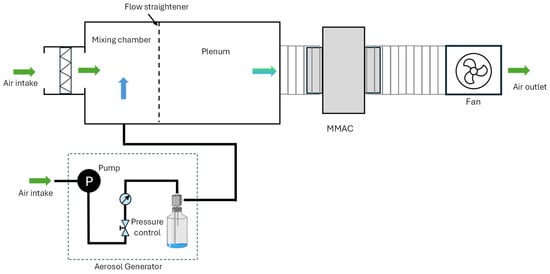
People spend most of their time indoors, and objectionable body odors can modify perceived indoor air quality, particularly in densely occupied spaces. Discomfort and psychosomatic effects may be experienced by exposed individuals. Such exposures can be mitigated by ventilation and supplementary air cleaning. However, there is a limited understanding of the effectiveness of air cleaning for specific body odor chemical classes, which may be important depending on occupants and settings. To advance knowledge in this area, a pilot study examining the removal efficiencies of representative underarm and foot odor chemicals by an advanced multi-modal air cleaner was conducted. Chemical analysis utilized photoionization detection (PID) and porous polymer sorption followed by gas chromatography–mass spectrometry (GC-MS). The pilot study demonstrated efficient removal of selected highly odorous aldehydes and carboxylic acids in single-pass laboratory experiments. Removal efficiencies were 97–99% for the three aldehydes tested, based on PID. Corresponding efficiencies for four carboxylic acids ranged from 72% (GC -MS, sub ppb) to 99% (PID, low ppb). Multi-modal air cleaners offer advantages over single-mode air cleaners by potentially mitigating a wider range of odors, reducing the need for large quantities of outside air and thereby improving energy efficiency. Data from this study provides evidence to inform engineers and designers of building ventilation systems where a reduced outside air requirement is desired to reduce carbon footprints and limit global warming.
Full article

Figure 1
Open AccessReview
Climate-Related Weather Events, Natural Hazards, Financial Hardship, and Health Outcomes in South Asia: A Scoping Review
by
Gabriela Fernando, Buddhima Padmasiri and Samanthi J. Gunawardana
Int. J. Environ. Res. Public Health 2026, 23(10), 1278; https://doi.org/10.3390/ijerph23101278 - 30 Sep 2026
Abstract
Background: The increasing frequency and severity of climate-related extreme weather events and natural hazards pose catastrophic risks to rural and financially deprived communities across South Asia. These shocks exacerbate financial hardship and have adverse health consequences, particularly where health systems are poorly resourced.
[...] Read more.
Background: The increasing frequency and severity of climate-related extreme weather events and natural hazards pose catastrophic risks to rural and financially deprived communities across South Asia. These shocks exacerbate financial hardship and have adverse health consequences, particularly where health systems are poorly resourced. Yet these links remain poorly understood. This scoping review examines the relationship between climate shocks and natural hazards, financial hardship, and health outcomes in South Asia. Methods: Following the PRISMA guidelines, peer-reviewed articles published between 2010 and 2026 were searched across PubMed, Environmental Impact, Google Scholar, and UNDP and WHO Southeast Asia e-databases. A total of thirteen studies met the inclusion criteria and were included in this review. Findings: Studies originated predominantly from Bangladesh, India, Nepal, and Pakistan. Climate shocks and hazards drove financial hardship through income loss, asset depletion, and forced displacement, with cascading health consequences, including psychological distress and suicidal ideation, particularly among men, pregnant women, survivors of violence, and elderly women, alongside food insecurity, chronic disease mismanagement, and delayed or foregone healthcare due to affordability barriers. Conclusions: Building on our conceptual framework that shows the links between climate and natural hazards, financial hardship, and adverse health impacts, social protection and financial safety nets in climate-vulnerable regions may help buffer households, particularly for elderly, female-headed households, and reproductive-aged women. We also highlight an important gap: the concentration of findings in Bangladesh warrants more country-specific evidence to inform local health action and policy responses that support health and community resilience.
Full article
(This article belongs to the Special Issue Achieving Health Equity: Overcoming Barriers to Care for Underserved and Systematically Marginalized and Excluded Populations)
Open AccessReview
The Role of Psychiatric Advance Directives in Addressing Mental Health Disparities in Africa: A Scoping Review
by
Miriam Mmamphamo Moagi and David Sidney Mangwegape
Int. J. Environ. Res. Public Health 2026, 23(10), 1277; https://doi.org/10.3390/ijerph23101277 - 30 Sep 2026
Abstract
Background: Psychiatric advance directives are essential for upholding human rights, improving access to mental health care, and ultimately achieving universal health coverage. Despite an emerging body of research, there is no prior synthesis that sought to map the evidence on the roles of
[...] Read more.
Background: Psychiatric advance directives are essential for upholding human rights, improving access to mental health care, and ultimately achieving universal health coverage. Despite an emerging body of research, there is no prior synthesis that sought to map the evidence on the roles of PADs in addressing mental health disparities in Africa. Methods: A scoping review was conducted according to Arksey and O’Malley’s framework and adhered to the Preferred Reporting Items for Systematic Reviews and Meta-Analyses Extension for Scoping Reviews (PRISMA-ScR) reporting standards. Results: A total of 27 publications published between 2008 and 2026 met the inclusion criteria. The following thematic domains emerged: (1) mental health disparities associated with advance directives; (2) mental health acts and legislation that do not align with PADs; (3) barriers to implementation of PADs; (4) the need for advance directives to align with African values; (5) recommendations for improvement. Conclusions: There is a paucity of studies that address the role of psychiatric advance directives in addressing mental health disparities in the African region, indicating the main conclusions or interpretations. Evidence from the study remains limited and heterogeneous which calls for more research on this phenomenon.
Full article
(This article belongs to the Special Issue Role of Social Determinants in Health of Vulnerable Groups)
Open AccessArticle
Household Food Consumption in Kazakhstan 2001–2025: National Observations and Recent Regional and Socioeconomic Contrasts
by
Bolat Sadykov, Altyn Aringazina, Almaz Sharman, Akkumis Salkhanova, Aigul Sharipbayeva, Batyrbek Assembekov, Marat Shoranov and Ildar Fakhradiyev
Int. J. Environ. Res. Public Health 2026, 23(10), 1276; https://doi.org/10.3390/ijerph23101276 - 30 Sep 2026
Abstract
Published household statistics describe food quantities and budget allocation but do not directly measure individual dietary intake. This study examined food-group-specific socioeconomic and household-composition contrasts and food-purchase expenditure distributions in Kazakhstan in 2025. An ecological repeated cross-sectional study used official household survey aggregates.
[...] Read more.
Published household statistics describe food quantities and budget allocation but do not directly measure individual dietary intake. This study examined food-group-specific socioeconomic and household-composition contrasts and food-purchase expenditure distributions in Kazakhstan in 2025. An ecological repeated cross-sectional study used official household survey aggregates. Regional maps reproduced published fruit and fish indicators for 2025. Recent regional urban–rural comparisons covered 2022–2025, with the principal interpretation restricted to 11 oblasts not involved in the 2022 regional splits; six oblasts with estimated 2022 values were displayed separately. The national annual series for 2001–2025 was retained as historical context rather than a fully harmonised estimate of dietary change. In 2025, the highest population decile of per capita income used for consumption had a fish indicator 3.9 times that of the lowest decile; corresponding ratios were approximately 3.3 for meat, milk/dairy products and fruit and 1.5 for bread/cereal products. Per capita indicators were lower across all ten food groups in households with five or more members than in one-person households. Food purchases exceeded 50% of consumer expenditure in 64.0% of households and 71.7% of households with five or more children. Recent regional changes differed by food group and urban–rural category. These descriptive findings identify contrasts in household apparent consumption and expenditure allocation. They do not establish individual dietary adequacy, food-insecurity prevalence, household-level associations between separately tabulated indicators, or independent causal effects.
Full article
(This article belongs to the Special Issue Food Consumption, Nutrition and Public Health in Scarce Resource Communities)
Open AccessArticle
Evaluating the Implementation Strategy of a Labor Integration Intervention Designed to Promote Health Among Highly Educated Migrants in Norway: A Qualitative Study
by
Khadra Yasien Ahmed, Astrid Blystad, Lars Fadnes, Bernadette Kumar, Wegdan Hasha and Esperanza Diaz
Int. J. Environ. Res. Public Health 2026, 23(10), 1275; https://doi.org/10.3390/ijerph23101275 - 30 Sep 2026
Abstract
Background: Health, employment, and professional integration are closely linked for migrant health professionals. However, language barriers and complex accreditation processes often hinder foreign-trained professionals from re-entering their fields in host countries. This study evaluated the implementation strategy of a health-promoting labor integration intervention
[...] Read more.
Background: Health, employment, and professional integration are closely linked for migrant health professionals. However, language barriers and complex accreditation processes often hinder foreign-trained professionals from re-entering their fields in host countries. This study evaluated the implementation strategy of a health-promoting labor integration intervention in Norway that placed highly educated migrant health professionals in academic institutions as assistant teachers, where they worked alongside mentors and gained exposure to Norwegian work culture. Methods: A qualitative implementation evaluation informed by implementation science was conducted, focusing on four predefined implementation outcomes: satisfaction, participation, fidelity, and feasibility. Data were collected in Bergen, Norway, through field observations and midway evaluations during the intervention, and semi-structured interviews with 15 mentees and 11 mentors after its completion. Interviews were transcribed and analyzed using Braun and Clarke’s reflexive thematic analysis. Results: Mentees reported increased confidence, professional growth, and meaningful engagement in academic activities. Mentors generally perceived the intervention as rewarding, although some experienced challenges related to unclear expectations and competing responsibilities. Fidelity varied across sites due to mentor–mentee mismatches and bureaucratic delays. Feasibility was enhanced by personalized support, team-based mentoring, and flexible integration into academic settings. Conclusions: Academic placements may promote the integration and wellbeing of migrant health professionals. Addressing implementation challenges before scale-up is essential. Future larger-scale effectiveness studies should build on both the implementation findings reported here and the pilot outcome findings reported elsewhere to assess intervention effects, sustainability, and scalability:
Full article
(This article belongs to the Special Issue 2nd Edition: Workplace Health and Wellbeing Research and Evaluation)
Open AccessArticle
Perceived Environmental Injustice and Mental Well-Being in Southern Nigeria: A Cross-Sectional Structural Equation Model of Environmental Engagement, Resilience, and Ecological Literacy
by
Addah Temple Tamuno-opubo, Oluwafemi Daniel Adebisi, Dare Azeez Fagbenro, Johnson Adedeji Olusola, Korede Victor Ajayi, Kelechi Ikechukwu Ndubueze, Adekemi Fatimah Gbadebo, Damilola Bukola Lawal, Prince Edisemi Ali, David Okanandu Iloma, Atlegang Mputle, Wandile Fundo Tsabedze and Curwyn Mapaling
Int. J. Environ. Res. Public Health 2026, 23(10), 1274; https://doi.org/10.3390/ijerph23101274 - 30 Sep 2026
Abstract
Background: Environmental degradation in Southern Nigeria exposes many communities to pollution, flooding, deforestation, and related ecological stressors, yet the psychosocial links between perceived environmental injustice and mental well-being remain insufficiently examined in African settings. This study investigated the associations among perceived environmental injustice,
[...] Read more.
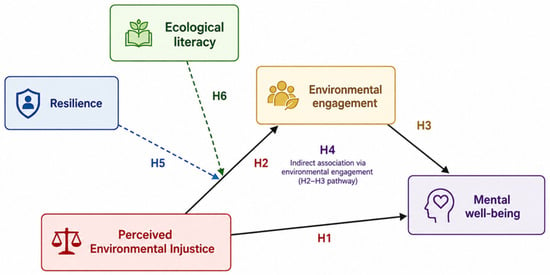
Background: Environmental degradation in Southern Nigeria exposes many communities to pollution, flooding, deforestation, and related ecological stressors, yet the psychosocial links between perceived environmental injustice and mental well-being remain insufficiently examined in African settings. This study investigated the associations among perceived environmental injustice, environmental engagement, resilience, ecological literacy, and mental well-being within a cross-sectional structural model. Methods: A cross-sectional quantitative study was conducted among 2009 adults recruited from selected communities in Southern Nigeria using a multistage, purposive sampling approach. Participants completed measures of mental well-being (WHO-5), perceived environmental injustice, environmental engagement, resilience (CD-RISC-10), ecological literacy, and sociodemographic characteristics. Confirmatory factor analysis and structural equation modelling were conducted in SmartPLS 4. Direct, indirect, and conditional indirect associations were estimated using 5000 bootstrap resamples. Results: Perceived environmental injustice was negatively associated with mental well-being (β = −0.31, p < 0.001) and with environmental engagement in the adjusted structural model (β = −0.19, p < 0.001). Environmental engagement was positively associated with mental well-being (β = 0.39, p < 0.001). The cross-sectional indirect association through environmental engagement was significant (β = −0.07, p < 0.001). The index of the conditional indirect association involving resilience was significant (β = −0.01, p < 0.001), with the negative indirect association stronger at lower resilience levels. In contrast, the index involving ecological literacy was not statistically significant (β = −0.00, p = 0.15). Conclusions/Recommendations: Perceived environmental injustice was associated with poorer mental well-being, while environmental engagement and resilience were relevant to the observed cross-sectional pattern. Responses to environmentally burdened communities should combine environmental governance and remediation with community engagement and psychosocial support. Longitudinal and qualitative research is needed to clarify temporal direction and contextual mechanisms.
Full article
(This article belongs to the Special Issue Climate Minds: Advancing Mental Health, Public Health Policy, and Interventions in a Warming World)
►▼
Show Figures

Figure 1
Open AccessArticle
Factors Associated with Employment, Household Income and Income Satisfaction Following Spinal Cord Injury in South Africa
by
Eugene Nizeyimana, Quinette Louw, Mokgadi Kholofelo Mashola and Conran Joseph
Int. J. Environ. Res. Public Health 2026, 23(10), 1273; https://doi.org/10.3390/ijerph23101273 - 30 Sep 2026
Abstract
Paid employment, household income and income satisfaction are distinct post-SCI socioeconomic outcomes that may reflect not only injury severity but also broader social and system-level influences. This study examined factors associated with these three outcomes among adults living with SCI in South Africa.
[...] Read more.
Paid employment, household income and income satisfaction are distinct post-SCI socioeconomic outcomes that may reflect not only injury severity but also broader social and system-level influences. This study examined factors associated with these three outcomes among adults living with SCI in South Africa. This cross-sectional secondary analysis used data collected during the South African implementation of the second International Spinal Cord Injury (InSCI) Community Survey, which constituted a new round of data collection. Community-dwelling adults aged 18 years or older and at least 12 months post-injury were recruited from four provinces using a pragmatic convenience-sampling approach; 461 participants were included. Hierarchical regression models assessed injury-related, sociodemographic and system/environmental factors, interpreted through a social-determinants-of-health lens. Injury-related factors explained little variance overall, whereas education was consistently associated with all three outcomes. In the final employment model, each additional system/environmental barrier was associated with lower odds of paid employment (OR 0.77, 95% CI 0.66–0.89). The barrier score was not associated with household income but was associated with lower odds of income satisfaction (OR 0.83, 95% CI 0.72–0.95). These cross-sectional findings indicate that post-SCI employment and financial outcomes were associated with factors beyond lesion characteristics alone; they do not establish causal relationships. Sensitivity analysis using the original 1–10 income-satisfaction scale retained the strong education pattern, whereas the barrier-count association was attenuated and did not reach conventional statistical significance (p = 0.076). The cumulative system/environmental barrier count was exploratory and was not a validated psychometric scale. Because recruitment was service-linked and restricted to four purposively selected provinces, the findings should not be interpreted as nationally representative.
Full article
Open AccessCorrection
Correction: Hu et al. A Multistate Study on Housing Factors Influential to Heat-Related Illness in the United States. Int. J. Environ. Res. Public Health 2022, 19, 15762
by
Ming Hu, Kai Zhang, Quynh Camthi Nguyen and Tolga Tasdizen
Int. J. Environ. Res. Public Health 2026, 23(10), 1272; https://doi.org/10.3390/ijerph23101272 - 30 Sep 2026
Abstract
Krupali Uplekar Krusche was removed from the list of authors in the original publication [...]
Full article
Open AccessArticle
Care Plateaus, Peaks, and Loops: Insights on Stress from Family Carers for Older Adults
by
Alexa Carson and Ito Peng
Int. J. Environ. Res. Public Health 2026, 23(10), 1271; https://doi.org/10.3390/ijerph23101271 - 30 Sep 2026
Abstract
With an aging demographic and increasingly stretched care services in many countries, the issue of unpaid care for older adults is a growing concern for families and policy makers alike. Empirical evidence highlights how unpaid caregiving can be a stressful and challenging experience.
[...] Read more.
With an aging demographic and increasingly stretched care services in many countries, the issue of unpaid care for older adults is a growing concern for families and policy makers alike. Empirical evidence highlights how unpaid caregiving can be a stressful and challenging experience. In this paper, we draw from and build on the stress process model, which conceptualizes caregiver well-being and mental health as outcomes of primary and secondary stressors within social context, as well as relational framing from intersectional life course theory and feminist political economics. Based on 57 in-depth interviews with unpaid caregivers for older adults across Canada, we articulate two non-mutually exclusive themes that add nuance to understandings of caregiver stress. First, many caregivers describe their caregiving in “plateaus and peaks,” with minimal stress much of the time and spikes in stress at moments of crisis and transition. However, there are outlier cases of chronically stressed carers, with evidence that gender, socioeconomic status and complex care situations inequitably shape caregiver experiences. Second, some care journeys involve “loops,” with care for one senior ending, followed by care for another beginning shortly thereafter, a novel articulation of multiple care which was found to influence caregiver decisions and meaning-making about care.
Full article
(This article belongs to the Special Issue Long-Term Care and Aging: Evolving Needs, Challenges, and Solutions)
Open AccessArticle
Distribution of Urinary Incontinence Subtypes and Their Associated Factors Among Women Attending a Tertiary Care Centre in the UAE
by
Adhya Miriam Tom, Liju Susan Mathew, Shameema Muhammed, Neena Thomas Eapen, Jayadevan Sreedharan and Jayakumary Muttappallymyalil
Int. J. Environ. Res. Public Health 2026, 23(10), 1270; https://doi.org/10.3390/ijerph23101270 - 30 Sep 2026
Abstract
Urinary incontinence (UI) is a common problem in women and can have negative effects on physical, psychological, social and sexual health. There is limited evidence on its distribution and associated factors in the United Arab Emirates (UAE). The objective of this study was
[...] Read more.
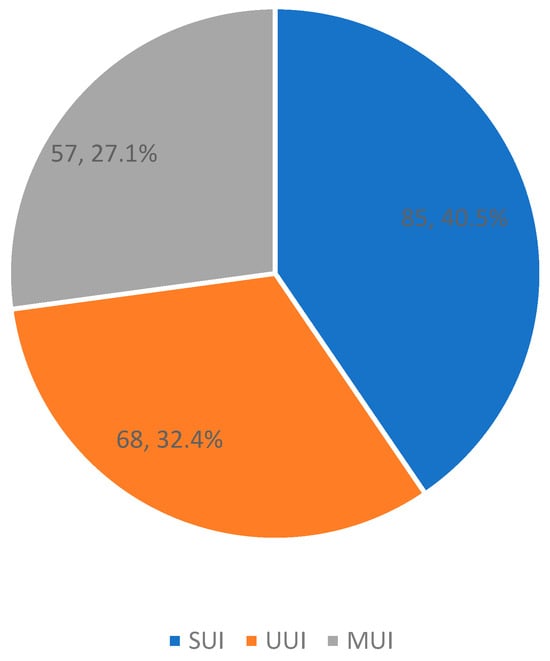
Urinary incontinence (UI) is a common problem in women and can have negative effects on physical, psychological, social and sexual health. There is limited evidence on its distribution and associated factors in the United Arab Emirates (UAE). The objective of this study was to determine the distribution of UI subtypes and to study the association of UI with selected sociodemographic, obstetric and gynaecological factors among women attending a tertiary care center in the UAE. A retrospective observational study was conducted in a tertiary hospital in Ajman, UAE, utilising the medical records of women with documented or reported UI from January 2021 to January 2026. Sociodemographic, anthropometric, obstetric, and gynaecological data were extracted by a structured proforma and reviewed by a specialist. Associations between categorical variables and UI subtype were evaluated using Chi-square or Fisher’s exact tests. Statistical significance was set at p ≤ 0.05. Among the 210 women included, the most common subtype was SUI (40.5%), followed by UUI (32.4%) and MUI (27.1%). Age was significantly associated with UI subtype (p = 0.012). SUI was more common in women aged 30–49 years and MUI in those aged ≥50 years. Subtype was also significantly associated with menopausal status (p = 0.012) and pelvic organ prolapse (p = 0.002). Nationality, BMI, parity, mode of delivery and pelvic surgery were not significantly associated. Early identification and focused evaluation may allow for timely intervention. More generalisable estimates of UAE will require prospective multicentre studies.
Full article
(This article belongs to the Special Issue Public Health Strategies for Epidemiological Interventions in Women and Children)
►▼
Show Figures

Figure 1
Journal Menu
► ▼ Journal Menu-
- IJERPH Home
- Aims & Scope
- Editorial Board
- Reviewer Board
- Topical Advisory Panel
- Early Career Editorial Board
- Instructions for Authors
- Special Issues
- Topics
- Sections & Collections
- Article Processing Charge
- Indexing & Archiving
- Editor’s Choice Articles
- Most Cited & Viewed
- Journal Statistics
- Journal History
- Journal Awards
- Society Collaborations
- Conferences
- Editorial Office
Journal Browser
► ▼ Journal Browser-
arrow_forward_ios
Forthcoming issue
arrow_forward_ios Current issue - Vol. 23 (2026)
- Vol. 22 (2025)
- Vol. 21 (2024)
- Vol. 20 (2023)
- Vol. 19 (2022)
- Vol. 18 (2021)
- Vol. 17 (2020)
- Vol. 16 (2019)
- Vol. 15 (2018)
- Vol. 14 (2017)
- Vol. 13 (2016)
- Vol. 12 (2015)
- Vol. 11 (2014)
- Vol. 10 (2013)
- Vol. 9 (2012)
- Vol. 8 (2011)
- Vol. 7 (2010)
- Vol. 6 (2009)
- Vol. 5 (2008)
- Vol. 4 (2007)
- Vol. 3 (2006)
- Vol. 2 (2005)
- Vol. 1 (2004)
Highly Accessed Articles
Latest Books
E-Mail Alert
News
Topics
Topic in
Behavioral Sciences, Children, EJIHPE, IJERPH, Healthcare
Mental Health and the 2030 Sustainable Development Agenda: Old Problems and New Perspectives
Topic Editors: Carlos Laranjeira, Ana QueridoDeadline: 31 October 2026
Topic in
Behavioral Sciences, Healthcare, IJERPH, Social Sciences, EJIHPE
Mental Health in Trauma Survivors
Topic Editors: Hyojin Im, Asli Cennet Yalim, Gashaye Melaku Tefera, Isok KimDeadline: 30 November 2026
Topic in
Applied Sciences, Toxics, IJERPH, Biology, Cancers, Radiation
Disease Risks from Environmental Radiological Exposure
Topic Editors: Valentina Venuti, Francesco CaridiDeadline: 31 December 2026
Topic in
IJERPH, Microplastics, Polymers, Toxics
Plastic Contamination (Plastamination): An Environmental and Public Health-Related Concern
Topic Editors: Rosaria Meccariello, Antonino Testa, Francesco Cappello, Antonietta SantoroDeadline: 1 January 2027
Conferences
Special Issues
Special Issue in
IJERPH
Addressing Adolescent Sexual and Reproductive Health Disparities: Determinants, Effectiveness, and Implementation
Guest Editors: Katherine G. Merrill, Natasha CrooksDeadline: 15 October 2026
Special Issue in
IJERPH
Digital Health Literacy: Building Assets for Health Equity and Engagement
Guest Editors: Elizabeth Andrade, Cheryl HimmelfarbDeadline: 15 October 2026
Special Issue in
IJERPH
Infectious Disease Prevention in Sexual Minority Groups: Advancing Sexual Epidemiology
Guest Editor: Derek T. Dangerfield IIDeadline: 15 October 2026
Special Issue in
IJERPH
Challenges and Opportunities in Children and Adolescent Mental Health: Integrating Research Evidence and Clinical Practice
Guest Editors: Elisa Delvecchio, Elide Francesca de CaroDeadline: 20 October 2026
Topical Collections
Topical Collection in
IJERPH
Health Behaviors, Risk Factors, NCDs and Health Promotion
Collection Editor: Stefano Campostrini
Topical Collection in
IJERPH
Bullying, Cyberbullying, Dating Violence, and Cyber Dating Violence in Adolescence
Collection Editor: María-Jesús Cava
Topical Collection in
IJERPH
2nd Edition of Achieving Environmental Health Equity: Great Expectations
Collection Editors: Timothy E. Ford, Margaret J. Eggers