Journal Description
Vaccines
Vaccines
is an international, peer-reviewed, open access journal published monthly online by MDPI. The American Society for Virology (ASV) is affiliated with Vaccines and their members receive a discount on the article processing charges.
- Open Access— free for readers, with article processing charges (APC) paid by authors or their institutions.
- High Visibility: indexed within Scopus, SCIE (Web of Science), PubMed, PMC, Embase, CAPlus / SciFinder, and other databases.
- Journal Rank: JCR - Q1 (Immunology) / CiteScore - Q1 (Pharmacology (medical))
- Rapid Publication: manuscripts are peer-reviewed and a first decision is provided to authors approximately 17.6 days after submission; acceptance to publication is undertaken in 3.3 days (median values for papers published in this journal in the first half of 2024).
- Recognition of Reviewers: reviewers who provide timely, thorough peer-review reports receive vouchers entitling them to a discount on the APC of their next publication in any MDPI journal, in appreciation of the work done.
Impact Factor:
5.2 (2023);
5-Year Impact Factor:
4.9 (2023)
Latest Articles
Neethling Strain-Based Homologous Live Attenuated LSDV Vaccines Provide Protection Against Infection with a Clade 2.5 Recombinant LSDV Strain
Vaccines 2025, 13(1), 8; https://doi.org/10.3390/vaccines13010008 - 25 Dec 2024
Abstract
►
Show Figures
Background: Vaccination is the main control measure to prevent Lumpy skin disease (LSD), and Neethling-based homologous vaccines have been shown to be safe and effective against infection with classical clade 1.2 strains. In 2017, recombinant clade 2 LSDV strains originating from a badly
[...] Read more.
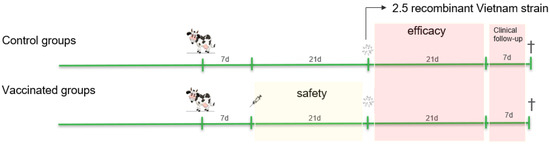
Background: Vaccination is the main control measure to prevent Lumpy skin disease (LSD), and Neethling-based homologous vaccines have been shown to be safe and effective against infection with classical clade 1.2 strains. In 2017, recombinant clade 2 LSDV strains originating from a badly produced and insufficiently controlled vaccine were first detected in Russia. A clade 2.5 recombinant strain spread from Russia throughout Southeast Asia and caused a massive epidemic. In this study, the efficacy of three different Neethling strain-based vaccines against the recombinant clade 2.5 LSDV strain was evaluated. Methods: For each vaccine, seven bulls were vaccinated and followed for three weeks to evaluate vaccine safety. Thereafter, vaccinated animals and non-vaccinated controls were challenged with a virulent clade 2.5 strain and followed for three more weeks to evaluate vaccine efficacy. Results: Only limited adverse effects were observed after vaccination, and all vaccinated animals seroconverted and showed an LSDV-specific cellular immune response after vaccination. After the challenge, the vaccinated animals developed almost no clinical signs, and no viremia or nasal excretion was detected. This was in sharp contrast with the non-vaccinated controls, where 8 out of 13 animals developed clinical disease with clear nodules. Most of these animals also had a prolonged period of fever, a clear viremia and excreted virus. Conclusions: Neethling-based LSDV vaccines can thus be considered safe and are effective not only against clade 1.2 LSDV strains, as was proven earlier, but also against a clade 2.5 recombinant strain.
Full article
Open AccessArticle
Distinct Neutralising and Complement-Fixing Antibody Responses Can Be Induced to the Same Antigen in Haemodialysis Patients After Immunisation with Different Vaccine Platforms
by
Nadezhda Wall, Rachel Lamerton, Fiona Ashford, Marisol Perez-Toledo, Aleksandra Jasiulewicz, Gemma D. Banham, Maddy L. Newby, Sian E. Faustini, Alex G. Richter, Haresh Selvaskandan, Roseanne E. Billany, Sherna F. Adenwalla, Ian R. Henderson, Max Crispin, Matthew Graham-Brown, Lorraine Harper and Adam F. Cunningham
Vaccines 2025, 13(1), 7; https://doi.org/10.3390/vaccines13010007 - 25 Dec 2024
Abstract
Background/Objectives: Generalised immune dysfunction in chronic kidney disease, especially in patients requiring haemodialysis (HD), significantly enhances the risk of severe infections. Vaccine-induced immunity is typically reduced in HD populations. The SARS-CoV-2 pandemic provided an opportunity to examine the magnitude and functionality of
[...] Read more.
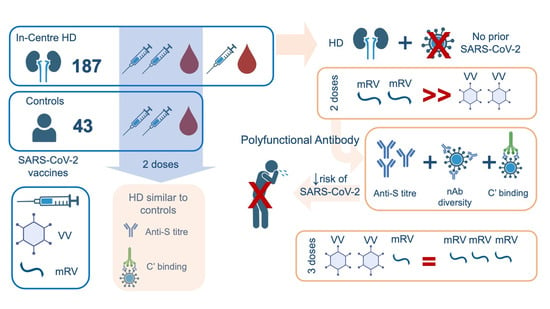
Background/Objectives: Generalised immune dysfunction in chronic kidney disease, especially in patients requiring haemodialysis (HD), significantly enhances the risk of severe infections. Vaccine-induced immunity is typically reduced in HD populations. The SARS-CoV-2 pandemic provided an opportunity to examine the magnitude and functionality of antibody responses in HD patients to a previously unencountered antigen—Spike (S)-glycoprotein—after vaccination with different vaccine platforms (viral vector (VV); mRNA (mRV)). Methods: We compared the total and functional anti-S antibody responses (cross-variant neutralisation and complement binding) in 187 HD patients and 43 healthy controls 21–28 days after serial immunisation. Results: After 2 doses of the same vaccine, HD patients had anti-S antibody levels and a complement binding capacity comparable to controls. However, 2 doses of mRV induced greater polyfunctional antibody responses than VV (defined by the presence of both complement binding and cross-variant neutralisation activity). Interestingly, an mRV boost after 2 doses of VV significantly enhanced antibody functionality in HD patients without a prior history of SARS-CoV-2 infection. Conclusions: HD patients can generate near-normal, functional antigen-specific antibody responses following serial vaccination to a novel antigen. Encouragingly, exploiting immunological memory by using mRNA vaccines and boosting may improve the success of vaccination strategies in this vulnerable patient population.
Full article
(This article belongs to the Special Issue The 2nd Edition: Cellular and Humoral Immunity after COVID-19 Vaccination)
►▼
Show Figures

Graphical abstract
Open AccessArticle
The Impact of COVID-19 on DTP3 Vaccination Coverage in Europe (2012–2023)
by
Ines Aguinaga-Ontoso, Sara Guillen-Aguinaga, Laura Guillen-Aguinaga, Rosa Alas-Brun, Miriam Guillen-Aguinaga, Luc Onambele, Enrique Aguinaga-Ontoso, Esperanza Rayón-Valpuesta and Francisco Guillen-Grima
Vaccines 2025, 13(1), 6; https://doi.org/10.3390/vaccines13010006 - 24 Dec 2024
Abstract
Background: The COVID-19 pandemic disrupted routine child immunization efforts, threatening to reverse progress in controlling vaccine-preventable diseases. Materials and Methods: We analyzed the impact of COVID-19 on DTP3 vaccination in Europe by comparing trends before and after the pandemic using time series data
[...] Read more.
Background: The COVID-19 pandemic disrupted routine child immunization efforts, threatening to reverse progress in controlling vaccine-preventable diseases. Materials and Methods: We analyzed the impact of COVID-19 on DTP3 vaccination in Europe by comparing trends before and after the pandemic using time series data from 2000 to 2023. Employing joinpoint regression, chi-square tests, and segmented regression analysis, we assessed DTP3 vaccination trends and coverage changes. Results: The findings revealed significant regional disparities across Europe. Statistical models indicated reductions in DTP3 coverage in countries such as Ireland, Sweden, and Switzerland, whereas Ukraine and San Marino showed improvements. Conclusions: There are variations in the effect of COVID-19 on DTP3 coverage rates, indicating the need for targeted public health strategies to address vaccine hesitancy, logistical barriers, and systemic inequities.
Full article
(This article belongs to the Special Issue Vaccination Strategies for Global Public Health)
►▼
Show Figures

Figure 1
Open AccessArticle
A Pool of Bacterium-like Particles Displaying African Swine Fever Virus Antigens Induces Both Humoral and Cellular Immune Responses in Pigs
by
Jingshan Huang, Hongxia Wu, Tianqi Gao, Huanjie Zhai, Assad Moon, Xin Song, Shuwen Li, Zhanhao Lu, Jing Lan, Dailang Zhong, Xinyu Zhang, Hua-Ji Qiu, Yongfeng Li and Yuan Sun
Vaccines 2025, 13(1), 5; https://doi.org/10.3390/vaccines13010005 - 24 Dec 2024
Abstract
Background/Objectives: African swine fever (ASF), caused by African swine fever virus (ASFV), poses a significant threat to the global swine industry. This underscores the urgent need for safe and effective ASF vaccines. Methods: Here, we constructed five bacterium-like particles (BLPs) that each display
[...] Read more.
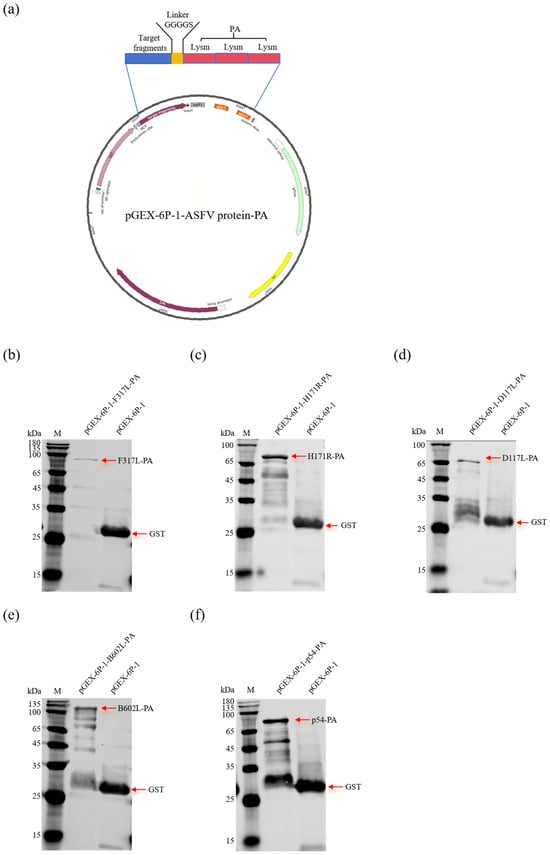
Background/Objectives: African swine fever (ASF), caused by African swine fever virus (ASFV), poses a significant threat to the global swine industry. This underscores the urgent need for safe and effective ASF vaccines. Methods: Here, we constructed five bacterium-like particles (BLPs) that each display one of the five ASFV antigens (F317L, H171R, D117L, B602L, and p54) based on the Gram-positive enhancer matrix-protein anchor (GEM-PA) system. GEM is a bacterial particle that contains only peptidoglycan, while PA is composed of three lysin motifs (Lysm) derived from the C-terminus of the AcmA protein, capable of non-covalently binding to GEM. By fusing the ASFV antigens with PA, the ASFV antigens can be firmly attached to the surface of GEM. Subsequently, the piglets were immunized via intramuscular injection with a mixture of BLPs-F317L, BLPs-H171R, BLPs-D117L, BLPs-B602L, and BLPs-p54. Results: The results showed that the piglets developed detectable serum IgG antibodies 2 weeks after the first immunization, and these high antibody levels were maintained 4 weeks after the booster immunization. Moreover, these piglets produced more IFN-γ-producing lymphocytes than the control piglets. Conclusions: The data indicate that the generated BLPs mixture can stimulate both humoral and cellular immune responses in piglets, these five ASFV proteins are promising antigens, and the BLPs generated represent candidate ASF vaccines.
Full article
(This article belongs to the Special Issue Vaccine Development for Swine Viral Pathogens)
►▼
Show Figures

Figure 1
Open AccessArticle
Evaluation of Influenza Vaccine Effectiveness from 2021 to 2024: A Guangdong-Based Test-Negative Case–Control Study
by
Liyan Zhu, Ying Han, Jiahai Lu, Jianhao Tan, Conghui Liao, Cheng Guo, Qing He, Yajie Qiu, Huahua Lu, Yue Zhou, Jianrui Wei and Dandan Hu
Vaccines 2025, 13(1), 4; https://doi.org/10.3390/vaccines13010004 - 24 Dec 2024
Abstract
►▼
Show Figures
Background: The influenza virus’s high mutation rate requires the annual reformulation and administration of the vaccine. Therefore, its vaccine effectiveness (VE) must be evaluated annually. Aim: Estimate the effectiveness of the influenza vaccine and analyze the impact of age, seasonal variations, and the
[...] Read more.
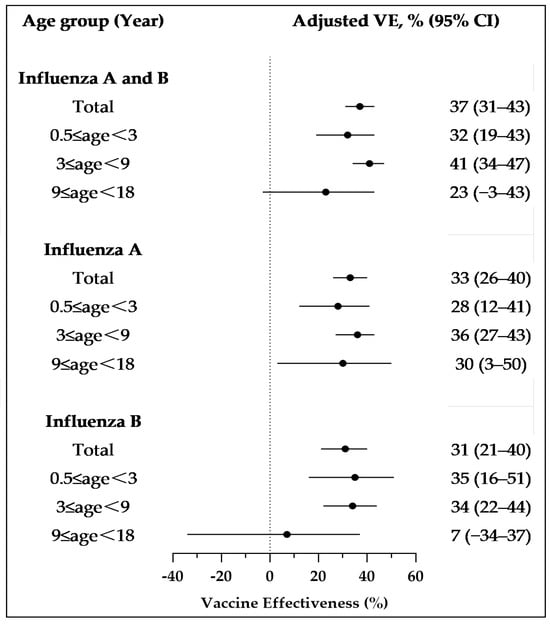
Background: The influenza virus’s high mutation rate requires the annual reformulation and administration of the vaccine. Therefore, its vaccine effectiveness (VE) must be evaluated annually. Aim: Estimate the effectiveness of the influenza vaccine and analyze the impact of age, seasonal variations, and the vaccination to sample collection interval on VE. Methods: The study used a test-negative case–control (TNCC) design to collect data from patients under 18 years of age who presented with acute respiratory infection (ARI) symptoms and underwent influenza virus testing at a national children’s regional medical center in Guangdong Province between October 2021 and January 2024, spanning three influenza seasons. VE was estimated using unconditional logistic regression. Results: A total of 27,670 patient data entries were analyzed. The VE against all influenza viruses across the three seasons was 37% (95% CI: 31–43), with the lowest VE of 24% (95% CI: 8–37) observed in the 2021–2022 season. In children aged 0.5 to <3 years, the VE was 32% (95% CI: 19–43). The effectiveness for samples collected at intervals of 0.5–2 months, 3–6 months, and over 6 months after vaccination was 39% (95% CI: 32–46), 30% (95% CI: 19–40), and 28% (95% CI: 5–46). Conclusions: Across three influenza seasons, at least one-third of vaccinated individuals were protected from influenza in outpatient settings. Given that children are at high risk, improving vaccination management is recommended, and parents should be encouraged to vaccinate their children before each influenza season.
Full article

Figure 1
Open AccessArticle
Recombinant Anti-PF4 Antibodies Derived from Patients with Vaccine-Induced Immune Thrombocytopenia and Thrombosis (VITT) Facilitate Research and Laboratory Diagnosis of VITT
by
Luisa Müller, Venkata A. S. Dabbiru, Lucy Rutten, Rinke Bos, Roland Zahn, Stefan Handtke, Thomas Thiele, Marta Palicio, Olga Esteban, Marta Broto, Tom Paul Gordon, Andreas Greinacher, Jing Jing Wang and Linda Schönborn
Vaccines 2025, 13(1), 3; https://doi.org/10.3390/vaccines13010003 - 24 Dec 2024
Abstract
Background/Objectives: Adenoviral vector-based vaccines against COVID-19 rarely cause vaccine-induced immune thrombocytopenia and thrombosis (VITT), a severe adverse reaction caused by IgG antibodies against platelet factor 4 (PF4). To study VITT, patient samples are crucial but have become a scarce resource. Recombinant antibodies (rAbs)
[...] Read more.
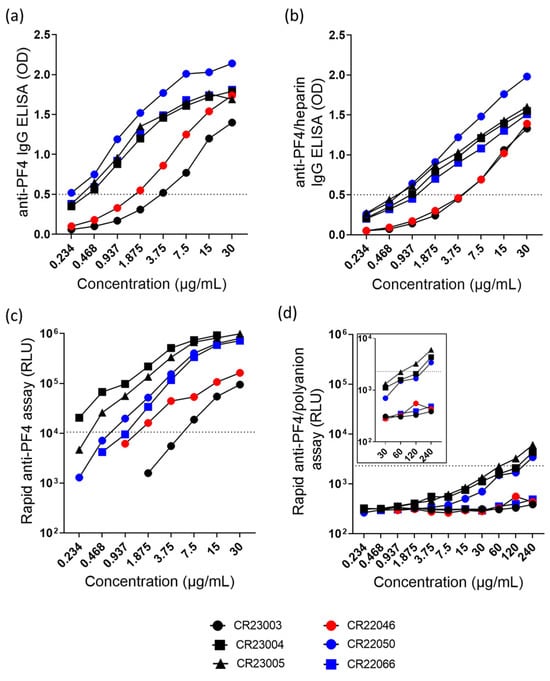
Background/Objectives: Adenoviral vector-based vaccines against COVID-19 rarely cause vaccine-induced immune thrombocytopenia and thrombosis (VITT), a severe adverse reaction caused by IgG antibodies against platelet factor 4 (PF4). To study VITT, patient samples are crucial but have become a scarce resource. Recombinant antibodies (rAbs) derived from VITT patient characteristic amino acid sequences of anti-PF4 IgG are an alternative to study VITT pathophysiology. Methods: Amino acid sequences of the variable region of immunoglobulin light and heavy chain of anti-PF4 IgG derived from VITT patients were obtained by mass spectrometry sequencing and rAbs were synthetized by reverse-engineering. Six different rAbs were produced: CR23003, CR23004, and CR23005 (from a patient vaccinated with Jcovden, Johnson & Johnson-Janssen (Beerse, Belgium)), CR22046, and CR22050 and CR22066 (from two different patients vaccinated with Vaxzevria, AstraZeneca (Cambridge, UK)). These rAbs were further characterized using anti-PF4 and anti-PF4/heparin IgG ELISAs, rapid anti-PF4 and anti-PF4/polyanion chemiluminescence assays, and PF4-induced platelet activation assay (PIPA) and their capacity to induce procoagulant platelets. Results: rAbs bound to PF4 alone, but not to PF4/polyanion complexes in rapid chemiluminescence assays. Chemiluminescence assays and both anti-PF4 IgG and anti-PF4 IgG/heparin ELISA showed concentration-dependent PF4 binding of all six rAbs, however, with different reactivities among them. PIPA showed a similar, concentration-dependent platelet activation pattern. rAbs varied in their reactivity and the majority of the tested rAbs were able to induce procoagulant platelets. Conclusions: The six rAbs derived from VITT patients reflect VITT-typical binding capacities and the ability to activate platelets. Therefore, these rAbs offer an attractive new option to study VITT pathophysiology.
Full article
(This article belongs to the Special Issue Vaccine-Induced Immune Thrombotic Thrombocytopenia)
►▼
Show Figures

Figure 1
Open AccessArticle
Newcastle Disease Virus Displaying an Ectodomain of Middle East Respiratory Syndrome Coronavirus Spike Protein Elicited Robust Humoral and Cellular Immunity in Mice
by
Jaturawitt Prasopsiri, Kanjana Srisutthisamphan, Benjamas Liwnaree, Juggragarn Jengarn, Jarin Kramyu, Payuda Hansoongnern, Papon Muangsanit, Nathiphat Tanwattana, Challika Kaewborisuth, Suttipun Sungsuwan, Anan Jongkaewwattana and Nanchaya Wanasen
Vaccines 2025, 13(1), 2; https://doi.org/10.3390/vaccines13010002 - 24 Dec 2024
Abstract
Background: Middle East Respiratory Syndrome Coronavirus (MERS-CoV) causes severe respiratory illness in humans and currently lacks an approved vaccine. The Newcastle disease virus (NDV) vector is a well-established, safe, and effective platform for vaccine development. With recent advancements in stabilizing coronavirus spike proteins
[...] Read more.
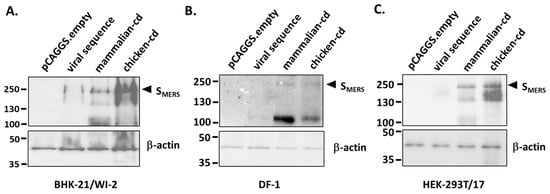
Background: Middle East Respiratory Syndrome Coronavirus (MERS-CoV) causes severe respiratory illness in humans and currently lacks an approved vaccine. The Newcastle disease virus (NDV) vector is a well-established, safe, and effective platform for vaccine development. With recent advancements in stabilizing coronavirus spike proteins to enhance their antigenicity, this study aimed to determine whether modifications to the MERS-CoV spike protein could improve its presentation on NDV particles, allowing the resulting virus to be used as an inactivated vaccine. Methods: We codon-optimized the gene encoding the ectodomain of the MERS-CoV spike protein and incorporated modifications at the S1/S2 and S2’ cleavage sites, along with a proline substitution at residues V1060-L1061. This modified spike gene was inserted into the NDV genome to create the NDV-SMERS virus. After purification and inactivation, the vaccine’s immunogenicity was assessed in mice. Results: Mice immunized with the inactivated NDV-SMERS vaccine developed robust anti-spike IgGs, neutralizing antibodies, and cellular immune responses. The study demonstrated that modifications to the MERS-CoV spike protein were essential for its effective presentation on NDV particles. Additionally, the spike gene insert remained stable through five egg passages, confirming the vector’s stability. Conclusions: Engineering the MERS-CoV spike protein is crucial for its successful display on NDV particles. The strong immune responses elicited by the NDV-SMERS vaccine in mice highlight that NDV is a promising, safe, and effective platform for MERS-CoV vaccination.
Full article
(This article belongs to the Section Attenuated/Inactivated/Live and Vectored Vaccines)
►▼
Show Figures

Figure 1
Open AccessReview
Decoding NAD+ Metabolism in COVID-19: Implications for Immune Modulation and Therapy
by
Shixu Song, Jialing Gan, Qiuyue Long, Zhancheng Gao and Yali Zheng
Vaccines 2025, 13(1), 1; https://doi.org/10.3390/vaccines13010001 - 24 Dec 2024
Abstract
The persistent threat of COVID-19, particularly with the emergence of new variants, underscores the urgency for innovative therapeutic strategies beyond conventional antiviral treatments. Current immunotherapies, including IL-6/IL-6R monoclonal antibodies and JAK inhibitors, exhibit suboptimal efficacy, necessitating alternative approaches. Our review delves into the
[...] Read more.
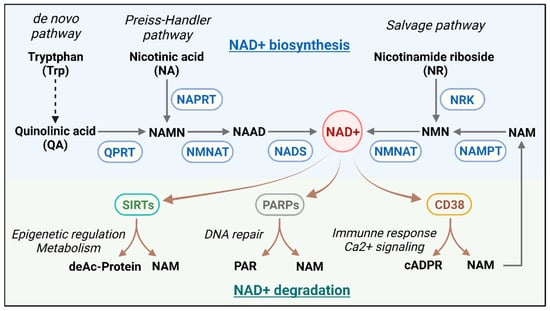
The persistent threat of COVID-19, particularly with the emergence of new variants, underscores the urgency for innovative therapeutic strategies beyond conventional antiviral treatments. Current immunotherapies, including IL-6/IL-6R monoclonal antibodies and JAK inhibitors, exhibit suboptimal efficacy, necessitating alternative approaches. Our review delves into the significance of NAD+ metabolism in COVID-19 pathology, marked by decreased NAD+ levels and upregulated NAD+-consuming enzymes such as CD38 and poly (ADP-ribose) polymerases (PARPs). Recognizing NAD+’s pivotal role in energy metabolism and immune modulation, we propose modulating NAD+ homeostasis could bolster the host’s defensive capabilities against the virus. The article reviews the scientific rationale behind targeting NAD+ pathways for therapeutic benefit, utilizing strategies such as NAD+ precursor supplementation and enzyme inhibition to modulate immune function. While preliminary data are encouraging, the challenge lies in optimizing these interventions for clinical use. Future research should aim to unravel the intricate roles of key metabolites and enzymes in NAD+ metabolism and to elucidate their specific mechanisms of action. This will be essential for developing targeted NAD+ therapies, potentially transforming the management of COVID-19 and setting a precedent for addressing other infectious diseases.
Full article
(This article belongs to the Special Issue Next-Generation Vaccine and Immunotherapy)
►▼
Show Figures

Figure 1
Open AccessArticle
Measles Among the Foreign-Born Population Residing in Spain, 2014–2022: Missed Opportunities for Vaccination
by
Noemí López-Perea, Teresa López-Cuadrado, Aurora Fernández-García, Juan E. Echevarría and Josefa Masa-Calles
Vaccines 2024, 12(12), 1452; https://doi.org/10.3390/vaccines12121452 - 23 Dec 2024
Abstract
Background/Objectives: Spain has been in a measles elimination phase since 2014. No evidence exists about the distribution of measles cases among the population born outside Spain. The aim of this study was thus to describe the epidemiological situation of measles, stratified by place
[...] Read more.
Background/Objectives: Spain has been in a measles elimination phase since 2014. No evidence exists about the distribution of measles cases among the population born outside Spain. The aim of this study was thus to describe the epidemiological situation of measles, stratified by place of birth, during the post-elimination period in Spain. Methods: This is a retrospective study of confirmed measles cases reported to RENAVE between 2014 and 2022. A descriptive analysis of case characteristics (sex, age group, vaccination status, imported case) was performed, was well as an analysis of temporal trends and geographic distribution in measles incidence rate (IR; cases/million inhabitants). All analyses were stratified by place of origin (Spain born vs. born outside Spain). We then performed a sensitivity analysis of those born outside Spain, with the representation of Kaplan–Meier curves taking into account the year of arrival in the country until the onset of measles. Results: Between 2014 and 2022, 951 measles cases were reported in Spain (overall IR: 2.3). Among these, 18.6% (177 cases, IR: 3.0) were born outside Spain. The IRs show differences (p < 0.001) in terms of distribution by age group and origin. By age group, children under 5 years had the highest IR, but adults aged 30 years and older reported the highest proportion of cases. The incidence rate ratio (IRR) was 5-fold higher among foreign-born children under 5 years than among native-born children. The measles time trend shows the highest peak in 2019 for foreign-born and native-born (IR: 8.6 and 5.4, respectively), consistent with the European-wide scenario, while only one case of measles was reported in 2022. Geographical variability in incidence rates by region was observed: Catalonia and the Valencian Community accumulated the highest proportion of cases throughout the study period. Among those born outside Spain, the median time from arrival to onset of rash was 6 years. Conclusions: The incidence of measles is 40% higher in Spain’s foreign-born population than in its native-born population. Taking into account the increasing migrant population in Spain, we consider that public health efforts need to be directed towards susceptible groups of people. In this context of advanced elimination, specific interventions for identifying and attending the most vulnerable populations should be designed and implemented.
Full article
(This article belongs to the Special Issue Infectious Diseases: Importance for Public Health, Epidemiology, Promoting Factors, and Vaccines Prevention)
►▼
Show Figures

Figure 1
Open AccessArticle
T Cell Responses to BA.2.86 and JN.1 SARS-CoV-2 Variants in Elderly Subjects
by
Irene Segato, Dalila Mele, Greta Forlani, Daniela Dalla Gasperina, Mario U. Mondelli and Stefania Varchetta
Vaccines 2024, 12(12), 1451; https://doi.org/10.3390/vaccines12121451 - 23 Dec 2024
Abstract
Background/Objectives: New SARS-CoV-2 variants are continuously emerging, making it essential to assess the efficacy of vaccine-induced immune protection. Limited information is available regarding T cell responses to BA.2.86 and JN.1 variants, particularly in elderly individuals. Methods: We evaluated T cell and total IgG
[...] Read more.
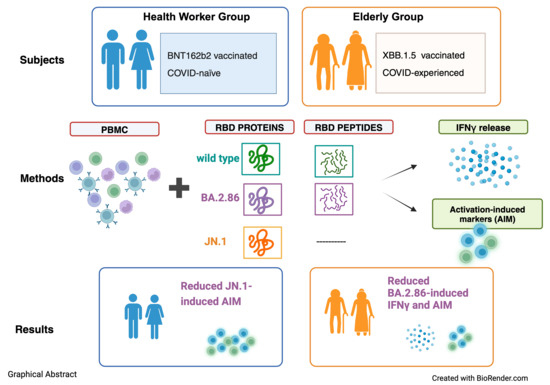
Background/Objectives: New SARS-CoV-2 variants are continuously emerging, making it essential to assess the efficacy of vaccine-induced immune protection. Limited information is available regarding T cell responses to BA.2.86 and JN.1 variants, particularly in elderly individuals. Methods: We evaluated T cell and total IgG responses against the receptor-binding domain (RBD) of the ancestral SARS-CoV-2 strain, as well as BA.2.86 and JN.1 omicron subvariants, in two groups of subjects. One group consisted of SARS-CoV-2-exposed elderly individuals who were fully vaccinated with the BNT162B2 mRNA vaccine, with a booster dose of the updated 2023–2024 COVID-19 vaccine (XBB.1.5) at least 15 days after receiving a booster dose of the updated 2023–2024 COVID-19 vaccine. The second group consisted of healthcare workers who were unexposed to SARS-CoV-2 one month after the booster dose of the first-generation BNT162b2 mRNA vaccine. T cell activation-induced markers (AIM) and IFN-γ secretion were evaluated by flow cytometry and ELISpot assays, respectively. Results: Elderly subjects showed reduced IgG levels against JN.1 compared with the ancestral strain. BA.2.86 stimulation resulted in lower IFN-γ levels in the elderly versus the COVID-19-naïve group. AIM analysis showed that among T cells, CD4+ were the most responsive, with a reduced proportion of JN.1-reactive CD4+ T cells compared with the ancestral strain in the SARS-CoV-2-unexposed group. Despite receiving the updated booster, the elderly group showed reduced CD4+ T cell reactivity to BA.2.86. Conclusions: The XBB.1.5-containing vaccine induced lower CD4+ T cell responses against BA.2.86 in the elderly. CD4+ T cells from BNT16b2-vaccinated, COVID-19-naïve subjects recognized ancestral and BA.2.86 RBD strains while showing reduced responses to JN.1. These results emphasize the need for tailored vaccine strategies for emerging variants, particularly in vulnerable populations.
Full article
(This article belongs to the Special Issue The 2nd Edition: Cellular and Humoral Immunity after COVID-19 Vaccination)
►▼
Show Figures

Graphical abstract
Open AccessArticle
Evaluating Antigen- and Vector-Specific Immune Responses of a Recombinant Pichinde Virus-Based Vaccine Expressing the Lymphocytic Choriomeningitis Virus Nucleoprotein
by
Michaela Cain, Qinfeng Huang, Shania Sanchez, Hinh Ly and Yuying Liang
Vaccines 2024, 12(12), 1450; https://doi.org/10.3390/vaccines12121450 - 23 Dec 2024
Abstract
Background: Live viral vector-based vaccines are known to elicit strong immune responses, but their use can be limited by anti-vector immunity. Here, we analyzed the immunological responses of a live-attenuated recombinant Pichinde virus (PICV) vector platform (rP18tri). Methods: To evaluate anti-PICV immunity in
[...] Read more.
Background: Live viral vector-based vaccines are known to elicit strong immune responses, but their use can be limited by anti-vector immunity. Here, we analyzed the immunological responses of a live-attenuated recombinant Pichinde virus (PICV) vector platform (rP18tri). Methods: To evaluate anti-PICV immunity in the development of vaccine antigen-specific immune responses, we generated a rP18tri-based vaccine expressing the lymphocytic choriomeningitis virus (LCMV) nucleoprotein (NP) and administered four doses of this rP18tri-NPLCMV vaccine to mice. Using MHC-I tetramers to detect PICV NP38-45 and LCMV NP396-404 epitope-specific CD8+ T cells, we monitored vector- and vaccine-antigen-specific immune responses after each vaccination dose. Results: LCMV NP396-404-specific effector and memory CD8+ T cells were detected after the first dose and peaked after the second dose, whereas PICV NP38-45-specific memory CD8+ T cells increased with each dose. PICV-binding IgG antibodies peaked after the second dose, while anti-PICV neutralizing antibodies (NAbs) remained low even after the fourth dose. Immunization with the rP18tri-NPLCMV vaccine significantly reduced LCMV viral titers in a chronic LCMV Clone 13 infection model, demonstrating the protective role of LCMV NP-specific T cells. Conclusion: These findings provide important insights into the antigen- and vector-specific immunity of the rP18tri-NPLCMV vaccine and support the development of NP-based vaccines against arenavirus pathogens.
Full article
(This article belongs to the Special Issue Viral Vector-Based Vaccines and Therapeutics)
►▼
Show Figures

Figure 1
Open AccessReview
Vaccination After Haematopoietic Stem Cell Transplant: A Review of the Literature and Proposed Vaccination Protocol
by
André Silva-Pinto, Isabel Abreu, António Martins, Juliana Bastos, Joana Araújo and Ricardo Pinto
Vaccines 2024, 12(12), 1449; https://doi.org/10.3390/vaccines12121449 - 23 Dec 2024
Abstract
Background/Objectives: Haematopoietic stem cell transplantation (HCT) induces profound immunosuppression, significantly increasing susceptibility to severe infections. This review examines vaccinations’ necessity, timing, and efficacy post-HCT to reduce infection-related morbidity and mortality. It aims to provide a structured protocol aligned with international and national recommendations.
[...] Read more.
Background/Objectives: Haematopoietic stem cell transplantation (HCT) induces profound immunosuppression, significantly increasing susceptibility to severe infections. This review examines vaccinations’ necessity, timing, and efficacy post-HCT to reduce infection-related morbidity and mortality. It aims to provide a structured protocol aligned with international and national recommendations. Methods: A systematic review of current guidelines and studies was conducted to assess vaccination strategies in HCT recipients. The analysis included the timing of vaccine administration, factors influencing efficacy, and contraindications. Recommendations for pre- and post-transplant vaccination schedules were synthesised, specifically for graft-versus-host disease (GVHD), immunosuppressive therapy, and hypogammaglobulinemia. Results: Vaccination is essential as specific immunity is often lost after HCT. Inactivated vaccines are recommended to commence three months post-transplant, including influenza, COVID-19, and pneumococcal vaccines. Live attenuated vaccines remain contraindicated for at least two years post-transplant and in patients with ongoing GVHD or immunosuppressive therapy. Factors such as GVHD and immunosuppressive treatments significantly impact vaccine timing and efficacy. The review also underscores the importance of pre-transplant vaccinations and ensuring that patients’ close contacts are adequately immunised to reduce transmission risks. Conclusions: Implementing a structured vaccination protocol post-HCT is critical to improving patient outcomes. Timely and effective vaccination strategies can mitigate infection risks while addressing individual patient factors such as GVHD and immunosuppression. This review highlights the need for tailored vaccination approaches to optimize immune reconstitution in HCT recipients.
Full article
(This article belongs to the Section Vaccination Optimization)
Open AccessArticle
Combination Adjuvants Enhance Recombinant H5 Hemagglutinin Vaccine Protection Against High-Dose Viral Challenge in Chickens
by
Yanjuan He, Jiaxin Wang, Lanyan Chi, Yajing Dong, Huixin Chen, Xiaocui Meng, Ming Liao, Yongwen Luo and Huiying Fan
Vaccines 2024, 12(12), 1448; https://doi.org/10.3390/vaccines12121448 - 23 Dec 2024
Abstract
Background: Recombinant avian influenza subunit vaccines often require adjuvants to enhance immune responses. This study aims to evaluate the immune-enhancing potential of seven combination adjuvants in specific pathogen-free (SPF) chickens. Methods: SPF chickens were vaccinated with combinations of ISA78VG and adjuvants, including Quil-A,
[...] Read more.
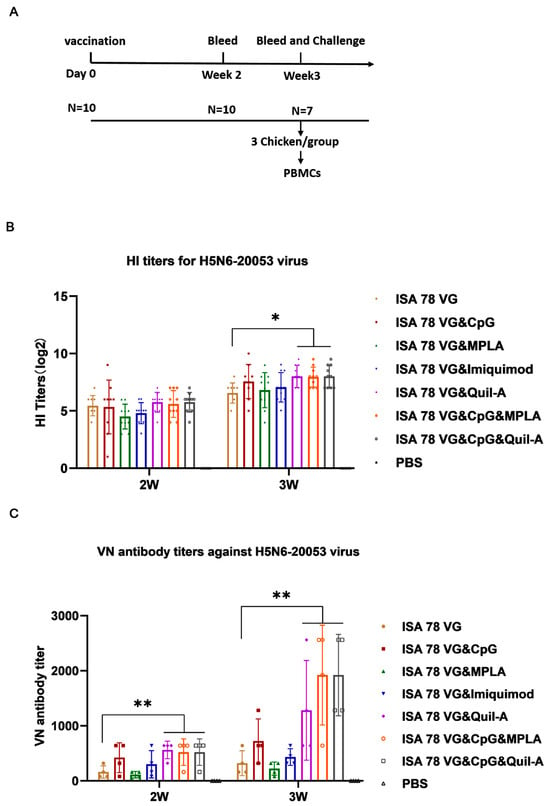
Background: Recombinant avian influenza subunit vaccines often require adjuvants to enhance immune responses. This study aims to evaluate the immune-enhancing potential of seven combination adjuvants in specific pathogen-free (SPF) chickens. Methods: SPF chickens were vaccinated with combinations of ISA78VG and adjuvants, including Quil-A, CpG, and monophosphoryl lipid A (MPLA). Their immune responses were assessed using a vaccination and viral challenge protection model. Results: The combinations of ISA78VG with Quil-A, CpG&MPLA or CpG&Quil-A significantly enhanced antibody responses and provided cross-protection against the H5N8-20135 strain. The ISA78VG&MPLA and ISA78VG&CpG&MPLA combinations induced the stronger IFN-γ production, with CpG further amplifying the immune response. The ISA78VG&Quil-A formulation, in particular, stimulated rapid antibody responses, achieving a 100% seroconversion by day 14 and high titers of hemagglutination inhibition (HI) antibodies against both the recombinant HA antigen and the H5N6-20053 virus. Conclusions: The ISA78VG&Quil-A combination is an ideal adjuvant for enhancing the immunogenicity of avian influenza rHA subunit vaccines, offering a promising strategy for H5 subtype vaccine development.
Full article
(This article belongs to the Special Issue Next-Generation Vaccines for Animal Infectious Diseases)
►▼
Show Figures

Figure 1
Open AccessArticle
Assessment of Simplified Surveillance for Congenital Rubella Syndrome in Sudan, 2014–2017
by
Omayma Abdalla, Nada Ahmed, Hanan Abdo El-Hag Mukhtar, Susan Reef, Jose Hagan and Gavin Grant
Vaccines 2024, 12(12), 1447; https://doi.org/10.3390/vaccines12121447 - 23 Dec 2024
Abstract
Background/Objectives: Congenital rubella syndrome (CRS) is a constellation of serious multi-organ birth defects following rubella virus infection during early pregnancy. Countries in which rubella vaccination has not yet been introduced can have a high burden of this disease. Data on CRS burden and
[...] Read more.
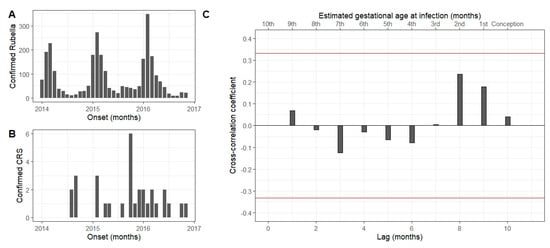
Background/Objectives: Congenital rubella syndrome (CRS) is a constellation of serious multi-organ birth defects following rubella virus infection during early pregnancy. Countries in which rubella vaccination has not yet been introduced can have a high burden of this disease. Data on CRS burden and epidemiology are needed to guide the introduction of a rubella vaccine and monitor progress for rubella elimination, but the multi-system nature of CRS manifestations and required specialized testing creates a challenge for conducting CRS surveillance in developing settings such as Sudan. To enhance data quality, we designed and tested a simplified approach for CRS surveillance in Sudan. Methods: Seven CRS surveillance sentinel sites were set up at general pediatric, eye, and cardiology hospitals in Sudan, using standard definitions for reporting and classifying infants with CRS clinical manifestations. Between 2014 and 2017, we evaluated the system using WHO CRS surveillance monitoring indicators, comparing simplified approaches against a comprehensive one. The simplified approaches included (1) an ophthalmic-focused approach; (2) a heart-focused approach; and (3) a cataract-only approach. Results: Surveillance identified 179 infants with suspected CRS via the comprehensive approach, with 25 infants classified as laboratory-confirmed and 6 as clinically compatible. Surveillance sensitivity was highest for the simplified ophthalmic approach, while cataract-based surveillance had the highest proportion of confirmed cases. Conclusions: Simplified CRS surveillance, particularly focusing on detecting cataracts, can significantly contribute to monitoring the impact of rubella vaccine introduction. It could serve as an initial step towards comprehensive CRS surveillance, providing robust evidence to support rubella and CRS elimination efforts.
Full article
(This article belongs to the Special Issue A World without Measles and Rubella: Meeting the Regional Elimination Targets on the Path to Global Eradication)
►▼
Show Figures

Figure 1
Open AccessReview
Boosting Vaccine Research: The 16-Year Journey of TRANSVAC Vaccine Infrastructure
by
William Martin, Catarina Luís, Stefan Jungbluth, Monika Slezak, Frank A. W. Verreck, Holger Spiegel, Carlos A. Guzman, António Roldão, Manuel J. T. Carrondo, Peter Van der Ley, Joaquim Segalés, Hazel M. Dockrell, Mei Mei Ho, Gabriel K. Pedersen, Maria Lawrenz and Ole F. Olesen
Vaccines 2024, 12(12), 1446; https://doi.org/10.3390/vaccines12121446 - 22 Dec 2024
Abstract
TRANSVAC represents a long-running effort to accelerate the development of novel vaccines by integrating institutions from across Europe under a single collaborative framework. This initiative has empowered the global vaccine community since 2009 including contributing toward the development and optimization of vaccine candidates
[...] Read more.
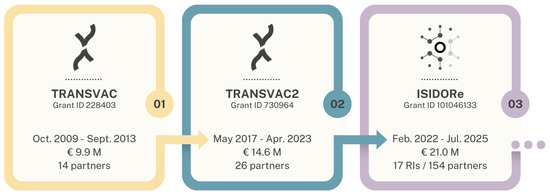
TRANSVAC represents a long-running effort to accelerate the development of novel vaccines by integrating institutions from across Europe under a single collaborative framework. This initiative has empowered the global vaccine community since 2009 including contributing toward the development and optimization of vaccine candidates as well as the provision of new adjuvants, research protocols, and technologies. Scientific services were provided in support of 88 different vaccine development projects, and 400 professionals attended TRANSVAC training events on various vaccine-related topics. Here, we review the accomplishments of the TRANSVAC consortia and analyze the continued needs of academic and industrial vaccine developers in Europe. The findings highlight the benefits of coordination across different sectors, both through research infrastructures such as TRANSVAC and other mechanisms, to address the current and future global health challenges and ensure that European vaccine developers have the support required to successfully compete in the global market.
Full article
(This article belongs to the Special Issue Vaccination and Public Health in the 21st Century)
►▼
Show Figures

Figure 1
Open AccessArticle
The Benefits of COVID-19 Vaccination for Pregnant Patients Hospitalized with Respiratory Symptoms: A Retrospective Cohort Study in South Brazil
by
Christopher J. Hernandez, Kavya G. Sundar, Fernando Echegaray, Mary Catherine Cambou, Lanbo Z. Yang, Eddy R. Segura, Marineide Gonçalves de Melo, Breno Riegel Santos, Ivana Rosângela dos Santos Varella and Karin Nielsen-Saines
Vaccines 2024, 12(12), 1445; https://doi.org/10.3390/vaccines12121445 - 22 Dec 2024
Abstract
Objectives: SARS-CoV-2 infection is a known risk factor for adverse health outcomes in pregnancy, affecting both maternal and neonatal health. Mounting evidence suggests that even a single dose of an approved COVID-19 vaccine protects against severe SARS-CoV-2 infection and is safe for both
[...] Read more.
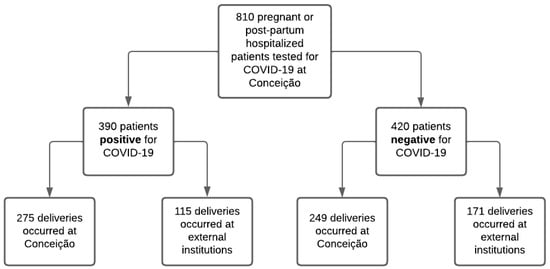
Objectives: SARS-CoV-2 infection is a known risk factor for adverse health outcomes in pregnancy, affecting both maternal and neonatal health. Mounting evidence suggests that even a single dose of an approved COVID-19 vaccine protects against severe SARS-CoV-2 infection and is safe for both pregnant persons and neonates. Southern Brazil was heavily affected by the COVID-19 pandemic, and the protective effects of the vaccine on maternal and neonatal health are not well described. This study aims to examine the protective effects of maternal COVID-19 vaccination on both maternal and neonatal outcomes following SARS-CoV-2 infection during pregnancy. Methods: This is a retrospective cohort study that leveraged medical data from a tertiary center in South Brazil to compare maternal and infant outcomes between hospitalized pregnant persons with and without SARS-CoV-2 infection between 1 March 2020, and 1 March 2023. Results: In total, 524 patients were enrolled, including 275 pregnant patients with confirmed SARS-CoV-2 infection and 249 without infection. SARS-CoV-2 infection was associated with maternal ventilator support (adjusted Risk Ratio [aRR] = 1.48, 95% Confidence Interval [95% CI]: 1.08–2.03), while receipt of at least one dose of COVID-19 vaccine was associated with protection against maternal sepsis (aRR = 0.14, 95% CI: 0.03–0.56), intensive care unit (ICU) admission (aRR = 0.27, 95% CI: 0.10–0.68), need for ventilator support (aRR = 0.60, 95% CI: 0.43–0.84), infant admission to the neonatal intensive care unit (NICU) (aRR = 0.62, 95% CI: 0.47–0.82), and neonatal respiratory distress (aRR = 0.60, 95% CI: 0.43–0.83). Conclusions: These findings further underscore the importance of maternal vaccination against COVID-19 during pregnancy. Even one dose of vaccine was protective against a variety of maternal and neonatal outcomes. Prenatal care should encourage COVID-19 vaccination in pregnancy.
Full article
(This article belongs to the Special Issue Vaccination, Public Health and Epidemiology)
►▼
Show Figures

Figure 1
Open AccessReview
Durability of Adaptive Immunity in Immunocompetent and Immunocompromised Patients Across Different Respiratory Viruses: RSV, Influenza, and SARS-CoV-2
by
Achilleas Livieratos, Lars Erik Schiro, Charalambos Gogos and Karolina Akinosoglou
Vaccines 2024, 12(12), 1444; https://doi.org/10.3390/vaccines12121444 - 22 Dec 2024
Abstract
Background/Objectives. Research on respiratory virus immunity duration post-vaccination reveals variable outcomes. This study performed a literature review to assess the efficacy and longevity of immune protection post-vaccination against SARS-CoV-2, influenza, and respiratory syncytial virus (RSV), with a focus on immunocompromised populations. Specific objectives
[...] Read more.
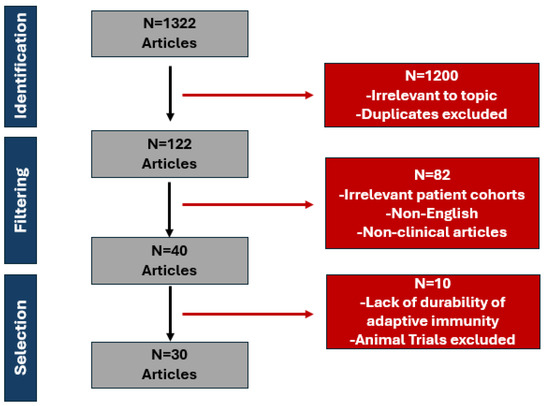
Background/Objectives. Research on respiratory virus immunity duration post-vaccination reveals variable outcomes. This study performed a literature review to assess the efficacy and longevity of immune protection post-vaccination against SARS-CoV-2, influenza, and respiratory syncytial virus (RSV), with a focus on immunocompromised populations. Specific objectives included examining humoral and cellular immune responses and exploring the impact of booster doses and hybrid immunity on extending protection. Methods. A literature review was conducted focusing on studies published from January 2014 to November 2024. The search targeted adaptive immunity post-vaccination, natural immunity, and hybrid immunity for SARS-CoV-2, influenza, and RSV. Selection criteria emphasized human populations, adaptive immunity outcomes, and immunocompromised individuals. The PICO framework guided the analysis, culminating in a detailed review of 30 studies. Results. SARS-CoV-2 vaccines exhibited robust initial antibody responses, which waned significantly within six months, necessitating frequent boosters. Influenza and RSV vaccines similarly showed declines in immunity, though some influenza vaccines demonstrated moderate durability. Hybrid immunity, arising from combined natural infection and vaccination, provided more resilient and lasting protection than vaccination alone, especially against emerging variants. Immunocompromised individuals consistently exhibited reduced durability in adaptive immune responses across all studied viruses. Challenges include rapid viral mutations, limiting the broad protection of current vaccines. Conclusions. Immune durability varies significantly across virus types and patient populations. Frequent boosters and hybrid immunity are critical to optimizing protection, particularly for vulnerable groups. The findings underscore the need for adaptable vaccination strategies and advancements in vaccine design to counter rapidly mutating respiratory pathogens effectively.
Full article
(This article belongs to the Special Issue Analysis of Vaccine-Induced Adaptive Immune Responses)
►▼
Show Figures

Figure 1
Open AccessArticle
Construction of the First Russian Recombinant Live Attenuated Vaccine Strain and Evaluation of Its Protection Efficacy Against Two African Swine Fever Virus Heterologous Strains of Serotype 8
by
Andrey Koltsov, Mikhail Sukher, Sergey Krutko, Sergey Belov, Alexey Korotin, Sofia Rudakova, Sergey Morgunov and Galina Koltsova
Vaccines 2024, 12(12), 1443; https://doi.org/10.3390/vaccines12121443 - 21 Dec 2024
Abstract
Background/Objectives: The spread of African swine fever virus (ASFV) has led to major economic losses to pork worldwide. In Russia, there are no developed or registered vaccines against ASFV genotype II, which is associated with numerous ASFV outbreaks in populations of domestic pigs
[...] Read more.
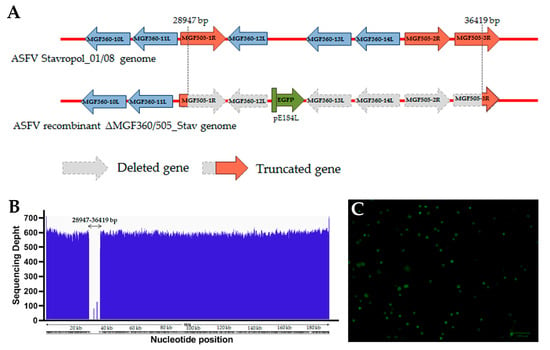
Background/Objectives: The spread of African swine fever virus (ASFV) has led to major economic losses to pork worldwide. In Russia, there are no developed or registered vaccines against ASFV genotype II, which is associated with numerous ASFV outbreaks in populations of domestic pigs and wild boars in the country. Methods: We introduced deletions of the six MGF360 and MGF505 genes of the ASFV virulent Stavropol_01/08 strain, isolated in Russia in 2008. Results: We show here that this deletion did lead to full attenuation of the ASFV virulent Stavropol_01/08 strain. Animals intramuscularly inoculated with 104 HAD50 of ΔMGF360/505_Stav developed a strong immune response and short period of viremia (at 3–7 days post-inoculation). Recombinant ΔMGF360/505_Stav strain provides complete protection of pigs against the ASFV parental Stavropol_01/08 strain (103 HAD50). Therefore, in our experiment, we did not detect the genome of both the virulent and the recombinant strains in the blood and organs post-challenge with the Stavropol_01/08. In contrast, we found only partial protection (40%) of the ΔMGF360/505_Stav-immunized pigs against challenge with the ASFV heterologous Rhodesia strain. Additionally, the surviving animals had a prolonged fever, and their condition was depressed for most of the experiment. Conclusions: Thus, the ASFV recombinant ΔMGF360/505_Stav strain is the first live attenuated vaccine (LAV) in Russia that induces complete protection in pigs challenged with the highly virulent, epidemiologically relevant strains genotype II and serotype 8. However, this ASF LAV is not able to provide a high level of protection against other variants of serotype 8.
Full article
(This article belongs to the Special Issue Vaccine Development for Swine Viral Pathogens)
►▼
Show Figures

Figure 1
Open AccessArticle
A Qualitative Analysis of Rural Community Vaccination Barriers During the COVID-19 Pandemic
by
Kimberly C. McKeirnan, Megan R. Undeberg, Skylar Zelenko and Ghazal Meratnia
Vaccines 2024, 12(12), 1442; https://doi.org/10.3390/vaccines12121442 - 21 Dec 2024
Abstract
Background/Objectives: Rural communities in the United States experience increased disparity of care for both general healthcare services and access to routine vaccines. Previous research has indicated a 40% lower vaccination rate in rural communities, as compared to urban counterparts. Having a better understanding
[...] Read more.
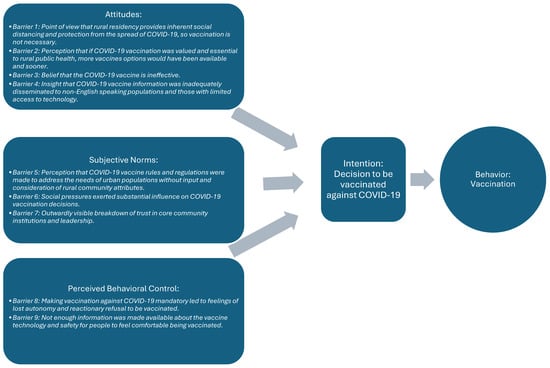
Background/Objectives: Rural communities in the United States experience increased disparity of care for both general healthcare services and access to routine vaccines. Previous research has indicated a 40% lower vaccination rate in rural communities, as compared to urban counterparts. Having a better understanding regarding factors influencing lower vaccination rates in rural areas could help public health officials prepare for future vaccination efforts. This research sought to gather and evaluate the opinions of people who live and work in rural areas regarding barriers to COVID-19 vaccine uptake. Methods: A semi-structured qualitative key informant interview design was utilized by researchers to gather opinions from university Extension staff in Washington State. Interview transcripts were analyzed using the Theory of Planned Behavior (ToPB) framework to evaluate COVID-19 vaccination-related intentions and motivational factors that the Extension staff observed among rural populations in their communities. Results: Twenty-one participants representing 34 out of the 40 Extension offices responded and were interviewed during fall 2023. Using the ToPB constructs, nine barriers were identified. Attitude-related barriers included the following: inherent social distancing in rural location negating vaccine necessity; lack of early vaccine availability in rural locales; concerns regarding ineffectiveness of the vaccine; and inadequate dissemination of vaccine information to non-English language speakers and those with limited access to technology. Subjective norm barriers included the following: perception of exclusion of rural populations’ unique needs during design and implementation of vaccine mandates; exertion of social pressures on rural individuals’ vaccine uptake decision; and highly visible breakdown in standard trust in core community institutions and leadership. Barriers related to loss of perceived behavioral control included vaccine mandates impacting self-perceived loss of autonomy and limitations in vaccine technology information impacting perception of vaccine safety. Conclusions: By identifying barriers to vaccination in rural communities during the COVID-19 pandemic, future outreach efforts can be designed to improve intention and lead to stronger vaccination uptake.
Full article
(This article belongs to the Special Issue Infectious Diseases: Importance for Public Health, Epidemiology, Promoting Factors, and Vaccines Prevention)
►▼
Show Figures

Figure 1
Open AccessPerspective
Challenges and Opportunities for Adult Vaccine Coverage: Insights for Healthcare Professionals Focusing on Herpes Zoster in Mexico
by
María Yolanda Cervantes-Apolinar, Adriana Guzman-Holst, Abiel Mascareñas De los Santos, Alejandro Ernesto Macías Hernández, Álvaro Cabrera, Argelia Lara-Solares, Carlos Abud Mendoza, Daniel Motola Kuba, Diana Fabiola Flores Díaz, Fernanda Salgado Gomez, Graciela Elia Castro-Narro, Javier Nieto, José Antonio Mata-Marín, José Fernando Barba Gómez, Juan Carlos Tinoco, Juan Manuel Calleja Castillo, Maria Margarita Contreras Serratos, Nathali Castellanos Ramos, Oscar Rosas Carrasco, Raúl Ricaño and Gloria C. Huerta Garcíaadd
Show full author list
remove
Hide full author list
Vaccines 2024, 12(12), 1441; https://doi.org/10.3390/vaccines12121441 - 21 Dec 2024
Abstract
►▼
Show Figures
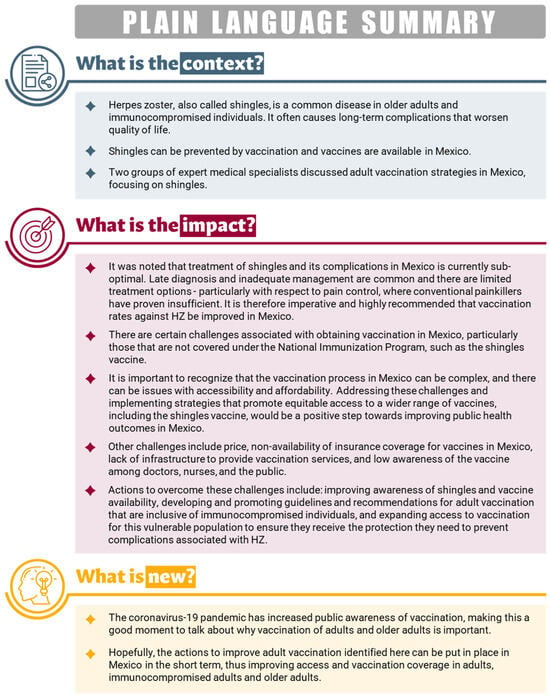
Herpes zoster (HZ) is a common disease in older adults and immunocompromised patients, and is frequently associated with long-term complications that impact quality of life. Fortunately, more than one vaccine against HZ is now available in Mexico. Two expert consensus groups discussed adult
[...] Read more.
Herpes zoster (HZ) is a common disease in older adults and immunocompromised patients, and is frequently associated with long-term complications that impact quality of life. Fortunately, more than one vaccine against HZ is now available in Mexico. Two expert consensus groups discussed adult vaccination strategies in Mexico, focusing on HZ in older adults and immunocompromised individuals; their insights are reported here. HZ is usually treated inappropriately in Mexico. Late diagnosis and suboptimal management are common, as is a lack of treatment options, particularly for pain, which is often unresponsive to standard painkillers. Improving vaccination rates against HZ in Mexico is therefore important, but several barriers to HZ vaccination exist. It is not included in the national vaccination schedule, where included vaccines usually have higher coverage. Actions to overcome barriers include improving awareness of HZ and vaccine availability, developing and promoting guidelines and recommendations for vaccination, and expanding access and infrastructure for vaccination.
Full article

Figure 1
Journal Menu
► ▼ Journal Menu-
- Vaccines Home
- Aims & Scope
- Editorial Board
- Reviewer Board
- Topical Advisory Panel
- Instructions for Authors
- Special Issues
- Topics
- Sections & Collections
- Article Processing Charge
- Indexing & Archiving
- Editor’s Choice Articles
- Most Cited & Viewed
- Journal Statistics
- Journal History
- Journal Awards
- Society Collaborations
- Editorial Office
Journal Browser
► ▼ Journal BrowserHighly Accessed Articles
Latest Books
E-Mail Alert
News
Topics
Topic in
Antibiotics, Biomedicines, Microorganisms, Parasitologia, Pathogens, Vaccines
Advances in Vaccines and Antimicrobial Therapy
Topic Editors: Roberto Paganelli, Raffaele D’AmelioDeadline: 31 December 2024
Topic in
Animals, Arthropoda, Insects, Pathogens, Vaccines, Veterinary Sciences
Ticks and Tick-Borne Pathogens
Topic Editors: Alina Rodriguez-Mallon, Alejandro Cabezas-CruzDeadline: 31 March 2025
Conferences
Special Issues
Special Issue in
Vaccines
Factors That Contribute to Vaccine Hesitancy towards COVID-19 Vaccination
Guest Editor: Ljiljana Marković-DenićDeadline: 30 December 2024
Special Issue in
Vaccines
SARS-CoV-2 Infection in Women and Children
Guest Editor: Narayanaiah CheedarlaDeadline: 31 December 2024
Special Issue in
Vaccines
Vaccines and Prevention of Infections in Early Life
Guest Editor: Eleni VergadiDeadline: 31 December 2024
Special Issue in
Vaccines
Promoting Research, Development and Access to Vaccines to Address Global Inequities
Guest Editor: Yangmu HuangDeadline: 31 December 2024
Topical Collections
Topical Collection in
Vaccines
Research on Monoclonal Antibodies and Antibody Engineering
Collection Editor: Tatsuya Yamazaki
Topical Collection in
Vaccines
COVID-19 Vaccines and Vaccination
Collection Editors: Ralph Tripp, Scott Anthony
Topical Collection in
Vaccines
The Safety and Immunogenicity of the Bivalent Omicron-Containing mRNA-1273.214 Booster Vaccine
Collection Editors: Lalit Batra, Shailendra Kumar Verma
Topical Collection in
Vaccines
Topic Advisory Panel Members’ Collection Series: Immunization and Vaccines for Infectious Diseases
Collection Editors: Shumaila Hanif, Ravinder Kumar