-
Unmasking Melasma: Confronting the Treatment Challenges -
Skin and Scalp Health Benefits of a Specific Botanical Extract Blend: Results from a Double-Blind Placebo-Controlled Study in Urban Outdoor Workers -
Cosmetology in the Era of Artificial Intelligence -
Advancements in Non-Invasive Dynamic Wrinkle Therapies: Peptides as the Future of Botox Alternatives -
Bleached Hair as Standard Template to Insight the Performance of Commercial Hair Repair Products
Journal Description
Cosmetics
Cosmetics
is an international, scientific, peer-reviewed, open access journal on the science and technology of cosmetics published bimonthly online by MDPI.
- Open Access— free for readers, with article processing charges (APC) paid by authors or their institutions.
- High Visibility: indexed within Scopus, ESCI (Web of Science), CAPlus / SciFinder, and other databases.
- Journal Rank: JCR - Q2 (Dermatology) / CiteScore - Q1 (Surgery)
- Rapid Publication: manuscripts are peer-reviewed and a first decision is provided to authors approximately 21.5 days after submission; acceptance to publication is undertaken in 4.7 days (median values for papers published in this journal in the first half of 2024).
- Recognition of Reviewers: reviewers who provide timely, thorough peer-review reports receive vouchers entitling them to a discount on the APC of their next publication in any MDPI journal, in appreciation of the work done.
Impact Factor:
3.4 (2023)
Latest Articles
Clinical Efficacy of Endocannabinoid-Mimetic Fatty Acid Amide as a Skin-Soothing Ingredient
Cosmetics 2024, 11(6), 225; https://doi.org/10.3390/cosmetics11060225 - 17 Dec 2024
Abstract
►
Show Figures
Despite the potential benefits of cannabidiol as a skin-soothing ingredient, its regulatory status hampers its general use in cosmetic products in many countries. To develop an alternative to cannabidiol, fatty acid amide molecules mimicking the chemical structure of endocannabinoids were manufactured using a
[...] Read more.
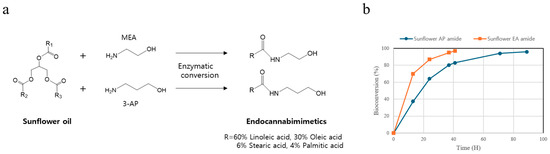
Despite the potential benefits of cannabidiol as a skin-soothing ingredient, its regulatory status hampers its general use in cosmetic products in many countries. To develop an alternative to cannabidiol, fatty acid amide molecules mimicking the chemical structure of endocannabinoids were manufactured using a lipase-catalyzed process. A mixture of fatty acid amides from sunflower oil and 1-amino propan-3-ol was synthesized using an immobilized lipase reaction, and the activation of cannabinoid receptor 1 (CB1R) was measured using a cAMP assay. The anti-inflammatory activity of the endocannabimimetic ingredients was evaluated in cultured human monocytes and ex vivo human skin explant models. A clinical study was conducted to address the skin hydration, skin barrier function, and skin redness, and the ratio of the interleukin-1-receptor antagonist (IL1-RA) to IL-1α in corneocytes, as a marker for skin sensitivity, were also measured. As a result, the activation of CB1R by endocannabimimetic ingredients was observed in cAMP assays, and a reduction in inflammatory responses by human monocytes induced by lipopolysaccharide treatment were also observed. External stress-induced inflammatory responses were reduced in ex vivo human skin explants. Improvements in skin hydration and barrier function were observed in a clinical study. A significant decrease in skin redness and the IL-1RA to IL-1α ratio was also observed. Endocannabimimetic ingredients, as alternatives to cannabidiol, can be used in skin-soothing cosmetics to increase skin hydration, improve skin barrier function, and reduce skin sensitivity.
Full article
Open AccessArticle
Multifunctional, Novel Formulation for Repairing Photoaged and Sun-Damaged Skin: Insights from In Vitro, Ex Vivo, and In Vivo Studies
by
María Moneo-Sánchez, Nagore de Pablo, Leire Arana-Pascual, Itziar Beitia, Sandra Benito-Cid and Raúl Pérez-González
Cosmetics 2024, 11(6), 224; https://doi.org/10.3390/cosmetics11060224 - 17 Dec 2024
Abstract
Prolonged sun exposure disrupts the skin’s structural, mechanical, and functional properties, accelerating aging and contributing to skin disorders. To counteract these effects, we developed a formulation containing potent antioxidant, anti-inflammatory, moisturizing, and reparative ingredients to protect and repair sun-damaged skin. The efficacy of
[...] Read more.
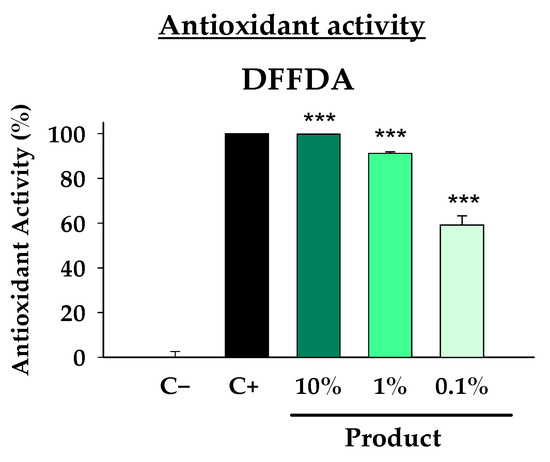
Prolonged sun exposure disrupts the skin’s structural, mechanical, and functional properties, accelerating aging and contributing to skin disorders. To counteract these effects, we developed a formulation containing potent antioxidant, anti-inflammatory, moisturizing, and reparative ingredients to protect and repair sun-damaged skin. The efficacy of the formulation was evaluated through in vitro, ex vivo, and in vivo studies. Results demonstrated that the formulation reduced oxidative stress and suppressed the production of pro-inflammatory cytokines interleukin-6 (IL-6) and interleukin-8 (IL-8), as well as lactate dehydrogenase (LDH) secretion, in a photodamaged skin model, nearly reaching levels observed in undamaged skin. It also restored collagen levels, improving structural integrity. In vivo, no adverse reactions were observed when used for 28 or 56 days. The formulation improved skin hydration by up to 46%, reduced transepidermal water loss by 20%, increased luminosity by 70%, and reduced hyperpigmented spots by 14%. It also enhanced skin firmness and elasticity by 30% and reduced wrinkle volume and density by up to 53% and 19%, respectively. These findings demonstrate that the formulation’s active ingredients effectively target the pathways altered by UV exposure, offering considerable potential for preventing and reversing sun-induced skin damage while improving both the appearance and functionality of the skin.
Full article
(This article belongs to the Special Issue Skin Anti-Aging Strategies)
►▼
Show Figures

Figure 1
Open AccessArticle
Skin Barrier-Improving and Skin-Soothing Effects of Autophagy-Activating Peptide on Sensitive Skin
by
Sohee Eun, Minhye Lim, Juyeon Jung, Kayoung Shin, Sungwoo Kim, Yeonjae Kim, Gaewon Nam, Sekyoo Jeong and Hyunjung Kim
Cosmetics 2024, 11(6), 223; https://doi.org/10.3390/cosmetics11060223 - 17 Dec 2024
Abstract
►▼
Show Figures
Among the complex and diverse triggering and aggravating factors for sensitive skin syndrome, potential defects in skin barrier function are considered one of the most important ones. Previously, we have reported improvements in skin barrier function thanks to autophagy-activating peptide derivatives. Further investigation
[...] Read more.
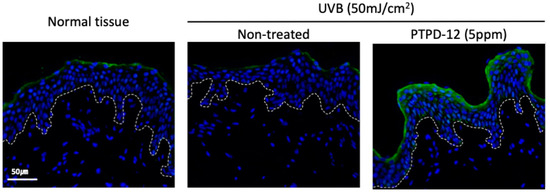
Among the complex and diverse triggering and aggravating factors for sensitive skin syndrome, potential defects in skin barrier function are considered one of the most important ones. Previously, we have reported improvements in skin barrier function thanks to autophagy-activating peptide derivatives. Further investigation revealed that the activation of autophagy signaling in skin cells also attenuated inflammatory responses induced by UV irradiation or exposure to pollution. In this study, in vitro and ex vivo human skin explant models were used to evaluate the potential benefits of the autophagy-activating peptide, pentasodium tetracarboxymethyl palmitoyl didpeptide-12 (PTPD-12), on sensitive skin-related parameters. Clinical efficacy testing was also performed to confirm the skin barrier-improving and skin-soothing activities of the autophagy-activating peptide. As a result, significant reductions in inflammatory cytokine (IL-8 and TNF-α) and enzyme activity (PDE4) were observed in the in vitro system. Increased expression of barrier marker proteins by PTPD-12 in UV-irradiated human skin tissue was observed ex vivo. In a clinical study, delayed response to topical capsaicin-induced vascular activation, which represents enhanced epidermal permeability barrier function, was observed after 4 weeks of application of PTPD-12 in healthy volunteers. In another clinical study with sensitive skin carriers identified via a lactic acid stinging test, a significant reduction in trans-epidermal water loss (TEWL) and skin erythema index was observed after 4 weeks of PTPD-12 usage. These results suggest that the activation of autophagy can be a potential treatment regimen for sensitive skin syndrome, specifically in terms of skin barrier function enhancement and skin soothing.
Full article

Figure 1
Open AccessArticle
Comparative Assessments of New Hair-Straightening Cosmetic Formulations on Wavy Type 2 Hair
by
Celso Martins Junior, Matheus Henrique Vieira, Érica Savassa Pinto Cacoci, Ursulandrea Sanches Abelan, Fernanda Daud Sarruf, Cibele Castro Lima and Chung Man Chin
Cosmetics 2024, 11(6), 222; https://doi.org/10.3390/cosmetics11060222 - 16 Dec 2024
Abstract
►▼
Show Figures
Hair straighteners are among the most technically complex products to be safely and effectively developed, and this challenge has increased even more with the higher incidence of resistant hair among consumers. This underscores the importance of studying new active ingredients, combinations and carrier
[...] Read more.
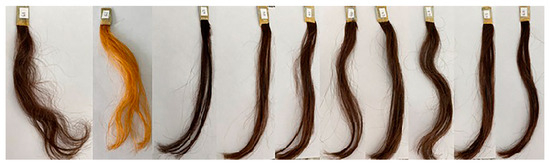
Hair straighteners are among the most technically complex products to be safely and effectively developed, and this challenge has increased even more with the higher incidence of resistant hair among consumers. This underscores the importance of studying new active ingredients, combinations and carrier formulations to improve performance without compromising safety. In this research, we compared eight hair-straightening formulations with different active ingredients and/or concentrations to develop new, safer and more effective texture modifiers. Eight formulations were developed and compared with each other and to controls (virgin and bleached hair) regarding mechanical and thermal resistance, cuticle morphology, hair shine and fiber diameter. Results showed that all formulations were safe and effective at straightening hair. Specifically, 13.3% and 9.4% ammonium thioglycolate (G03 and G04) were more suitable for wavy and curly hair, 12.5% and 7.9% amino methyl propanol thioglycolate (G05 and G06) for finer or chemically processed hair, 5% and 4% sodium cysteamine (G07 and G08) for curly and tight curly hair to control volume, and 2% and 1% of a combination of ammonium thioglycolate with sodium thioglycolate (G09 and G10) for more resistant wavy and curly hair.
Full article

Figure 1
Open AccessArticle
Multispectral Imaging and OCT-Guided Precision Treatment of Rhinophyma with CO2 and Dye Lasers: A Comprehensive Diagnostic and Therapeutic Approach
by
Simone Amato, Steven Paul Nisticò, Alessandro Clementi, Giorgio Stabile, Fortunato Cassalia, Annunziata Dattola, Giuseppe Rizzuto and Giovanni Cannarozzo
Cosmetics 2024, 11(6), 221; https://doi.org/10.3390/cosmetics11060221 - 13 Dec 2024
Abstract
Background/Objectives: Rhinophyma, an advanced form of rosacea, is characterized by significant nasal tissue enlargement and deformation, leading to aesthetic and psychosocial challenges. Traditional treatments are often invasive with variable outcomes, emphasizing the need for improved therapeutic approaches. This study evaluates the efficacy of
[...] Read more.
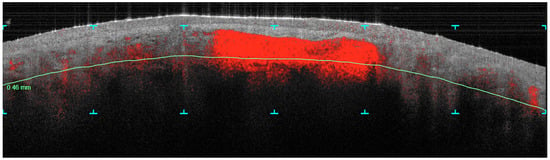
Background/Objectives: Rhinophyma, an advanced form of rosacea, is characterized by significant nasal tissue enlargement and deformation, leading to aesthetic and psychosocial challenges. Traditional treatments are often invasive with variable outcomes, emphasizing the need for improved therapeutic approaches. This study evaluates the efficacy of a dual-laser therapy (CO2 and dye lasers) in treating rhinophyma. An innovative diagnostic algorithm using multispectral imaging guided treatment decisions, while Optical Coherence Tomography (OCT) was utilized to analyze post-treatment vascular and collagen changes. Methods: A prospective study was conducted involving 20 patients with rhinophyma. Multispectral imaging was used to guide the tailored application of CO2 laser, dye laser, or both, depending on the predominant vascular or glandular components in the nasal tissue. Post-treatment analysis employed OCT to assess changes in vascular and collagen density, providing insights into the tissue modifications induced by laser therapy. Results: The treatment significantly reduced vascular density from 35,526.75 to 26,577.55 at 300 microns and from 46,916.25 to 35,509.25 at 500 microns. Collagen density decreased from 81.35 to 66.34. All reductions were statistically significant, with highly significant p-values. These findings highlight the dual-laser therapy’s effectiveness in addressing the pathological features of rhinophyma. Conclusions: Dual-laser therapy guided by multispectral imaging provides a targeted and effective treatment for rhinophyma, addressing its vascular and glandular components. The use of OCT enhances understanding of laser-induced tissue changes and confirms significant reductions in vascular and collagen density. This approach represents a significant advancement in the management of rhinophyma, offering improved precision and therapeutic outcomes.
Full article
(This article belongs to the Special Issue Current and Future Trends in Cosmetics Research: The 10th Anniversary of Cosmetics)
►▼
Show Figures

Figure 1
Open AccessArticle
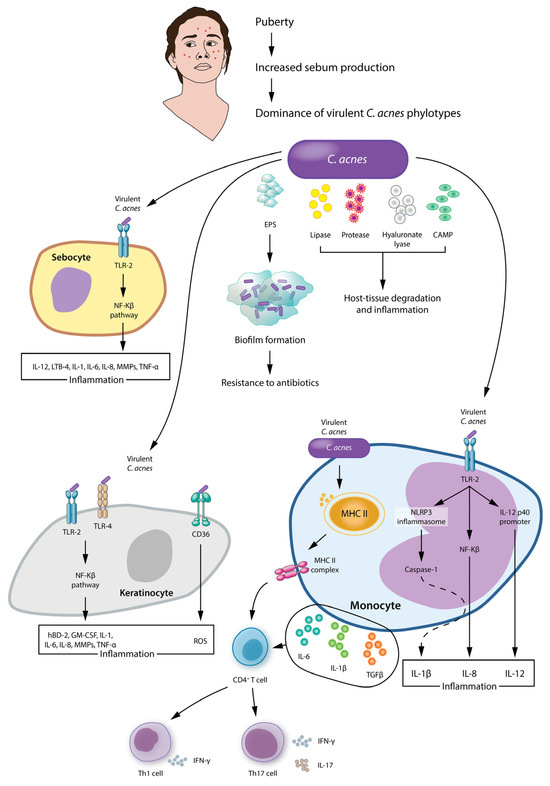
Addressing the Unmet Need in Acne Management: A Novel Dermocosmetics Guideline Tailored to Asian Patient Subgroups
by
Hei Sung Kim, Joo Yeon Ko, Dong Hye Suh, Hwa Jung Ryu, Eunsun Baek and Soyun Cho
Cosmetics 2024, 11(6), 220; https://doi.org/10.3390/cosmetics11060220 - 12 Dec 2024
Abstract
►▼
Show Figures
Acne, a commonly treated skin disease, requires control of one’s daily routine for an optimal outcome. As skincare products continue to advance, and with the introduction of dermocosmetics (active cosmetics, functional cosmetics, cosmeceuticals), it is necessary for clinicians to stay updated and give
[...] Read more.
Acne, a commonly treated skin disease, requires control of one’s daily routine for an optimal outcome. As skincare products continue to advance, and with the introduction of dermocosmetics (active cosmetics, functional cosmetics, cosmeceuticals), it is necessary for clinicians to stay updated and give professional guidance. Following a literature review, a panel discussed and, using an online review process, explored the available acne dermocosmetics and convened to develop consensus statements on acne skincare incorporating patient- and treatment-related factors. Recommendations tailored to several distinct patient subgroups, namely, preadolescent acne, adolescent/adult acne, acne with comorbid atopic dermatitis, acne in pregnancy, drug-induced acne, and acne cosmetica, were generated to maximize the use of dermocosmetics in acne management. In adolescent and adult acne, products with active ingredients that mark key aspects of acne pathophysiology are called for; in atopics, agents which protect and restore the skin barrier are primarily considered; and in the preadolescent age group and pregnant and lactating women, the use of acne dermocosmetics should be prioritized as there are limited treatment options. While skincare alone is often sufficient for mild acne and for maintenance, adjunctive skincare can enhance treatment efficacy as well as patient adherence in various settings. This guideline seeks to offer insights into acne dermocosmetics and provide skincare recommendation tailored to Asian patient subgroups.
Full article

Figure 1
Open AccessArticle
Insights from Biophotonic Imaging and Biochemical Analysis on Cellular and Molecular Alterations Exhibited in Dull Skin
by
Akira Matsubara, Tatsuya Omotezako, Ying Xu, Anna Evdokiou, Lijuan Li, Wenzhu Zhao, Camila Pereira Braga, Dionne Swift, Hitomi Nagasawa, Jennifer I. Byrd, Brad Jarrold, Gang Deng, Junjie Wang and Tomohiro Hakozaki
Cosmetics 2024, 11(6), 219; https://doi.org/10.3390/cosmetics11060219 - 12 Dec 2024
Abstract
►▼
Show Figures
Dullness or lack of radiance in facial appearance is a common concern among females. Previous studies have linked skin dullness to aging and revealed alterations in skin pigments. However, younger individuals (ages ≤ 35) also report concerns about dull skin in their hectic
[...] Read more.
Dullness or lack of radiance in facial appearance is a common concern among females. Previous studies have linked skin dullness to aging and revealed alterations in skin pigments. However, younger individuals (ages ≤ 35) also report concerns about dull skin in their hectic daily lives, which may not involve pigmentation changes. We hypothesized that the mechanisms underlying dullness in youth differ from those associated with aging. To investigate this, we measured cellular and molecular changes in 132 healthy Japanese and Chinese females aged 18 to 35 using biophotonic multiphoton tomography and biochemical tape-strip analysis. Our findings revealed that dull skin exhibited a thicker stratum granulosum and less densely packed keratinocytes in deeper layers. Biochemical analysis showed upregulation of interleukin-36γ and downregulation of E-cadherin in dull skin, with interleukin-36γ levels negatively correlating (p = 0.023) with metabolites of filaggrin. These alterations resemble those observed in inflammatory skin conditions, suggesting an additional mechanism of skin dullness beyond pigmentation. In vitro cultured cell models evaluated the efficacy of three skincare ingredients: galactomyces fermentation filtrate, bisabolol, and batyl alcohol. Galactomyces suppressed interleukin-36γ (p = 0.037), while both batyl alcohol (p = 0.006) and bisabolol (p = 0.049) showed beneficial effects on filaggrin. Targeting these biomarkers may improve the appearance of dull skin.
Full article

Figure 1
Open AccessArticle
AI Dermatochroma Analytica (AIDA): Smart Technology for Robust Skin Color Classification and Segmentation
by
Abderrachid Hamrani, Daniela Leizaola, Nikhil Kumar Reddy Vedere, Robert S. Kirsner, Kacie Kaile, Alexander Lee Trinidad and Anuradha Godavarty
Cosmetics 2024, 11(6), 218; https://doi.org/10.3390/cosmetics11060218 - 10 Dec 2024
Abstract
Traditional methods for skin color classification, such as visual assessments and conventional image classification, face limitations in accuracy and consistency under varying conditions. To address this, we developed AI Dermatochroma Analytica (AIDA), an unsupervised learning system designed to enhance dermatological diagnostics. AIDA applies
[...] Read more.
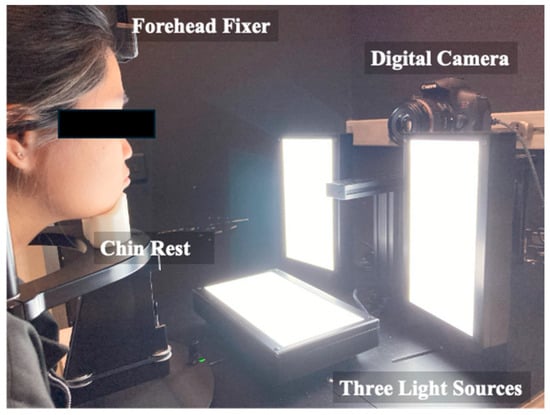
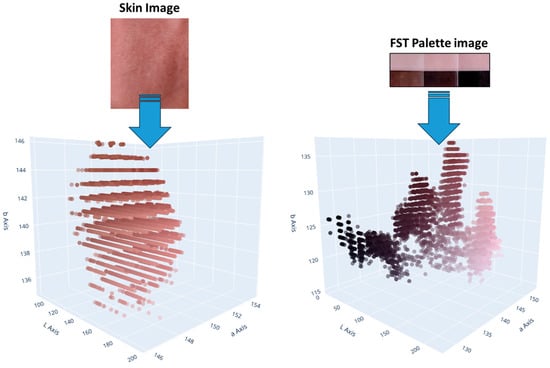
Traditional methods for skin color classification, such as visual assessments and conventional image classification, face limitations in accuracy and consistency under varying conditions. To address this, we developed AI Dermatochroma Analytica (AIDA), an unsupervised learning system designed to enhance dermatological diagnostics. AIDA applies clustering techniques to classify skin tones without relying on labeled data, evaluating over twelve models, including K-means, density-based, hierarchical, and fuzzy logic algorithms. The model’s key feature is its ability to mimic the process clinicians traditionally perform by visually matching the skin with the Fitzpatrick Skin Type (FST) palette scale but with enhanced precision and accuracy using Euclidean distance-based clustering techniques. AIDA demonstrated superior performance, achieving a 97% accuracy rate compared to 87% for a supervised convolutional neural network (CNN). The system also segments skin images into clusters based on color similarity, providing detailed spatial mapping aligned with dermatological standards. This segmentation reduces the uncertainty related to lighting conditions and other environmental factors, enhancing precision and consistency in skin color classification. This approach offers significant improvements in personalized dermatological care by reducing reliance on labeled data, improving diagnostic accuracy, and paving the way for future applications in diverse dermatological and cosmetic contexts.
Full article
(This article belongs to the Special Issue Current and Future Trends in Cosmetics Research: The 10th Anniversary of Cosmetics)
►▼
Show Figures

Figure 1
Open AccessReview
Research Progress on Evaluating the Effectiveness and Safety of Transdermal Absorption of Cosmetics
by
Meixuan Wang, Lu Zhang, Linxin Zheng, Jiayuan Shi, Hongxin Gao, Congfen He and Liya Song
Cosmetics 2024, 11(6), 217; https://doi.org/10.3390/cosmetics11060217 - 9 Dec 2024
Abstract
►▼
Show Figures
This review systematically summarizes research progress in the evaluation of the effectiveness and safety of the transdermal absorption of cosmetics, focusing on the classification, applicability, and relevant regulations of different evaluation methods. Transdermal absorption refers to the process in which active ingredients enter
[...] Read more.
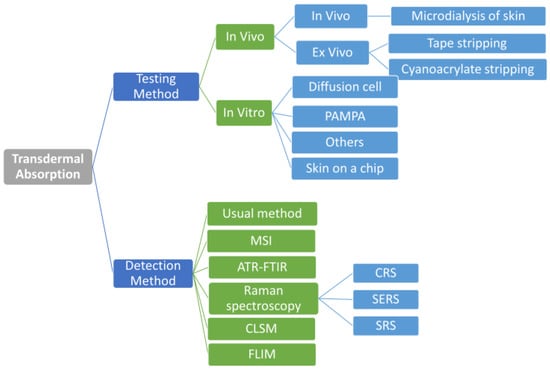
This review systematically summarizes research progress in the evaluation of the effectiveness and safety of the transdermal absorption of cosmetics, focusing on the classification, applicability, and relevant regulations of different evaluation methods. Transdermal absorption refers to the process in which active ingredients enter the epidermis, dermis, and other parts of the skin through the skin barrier and exert their effects. The article first classifies the in vitro and in vivo evaluation methods of transdermal absorption. It also provides a detailed overview of the regulations and standards for in vitro transdermal absorption, compares the standards of different institutions, and highlights the diffusion cell method, developed by scientists at Procter & Gamble, which is the mainstream method for in vitro testing. In addition, the paper summarizes the utilization of modern testing techniques such as high-throughput screening technology, mass spectrometry imaging, Raman spectroscopy, and confocal microscopy in the study of transdermal absorption and introduces the working principles of various instruments and their specific application cases in transdermal absorption studies.
Full article

Figure 1
Open AccessArticle
Formulation of Biological Sunscreen from Calendula arvensis Capitula Extracts: Antioxidant, Anti-Aging, Surface Tension, and UVB Protection Properties Assessed
by
Najlae El-Otmani, Ikrame Zeouk and Ahmed Zahidi
Cosmetics 2024, 11(6), 216; https://doi.org/10.3390/cosmetics11060216 - 9 Dec 2024
Abstract
Skin protection against ultraviolet (UV) radiation has long been crucial due to its role in photoaging, sunburn, and wrinkles. This study focuses on developing a bio-based sunscreen from Calendula arvensis capitula extract. Various extraction methods (maceration, sonication, and infusion) and solvents (EtOH, EtOH-H
[...] Read more.
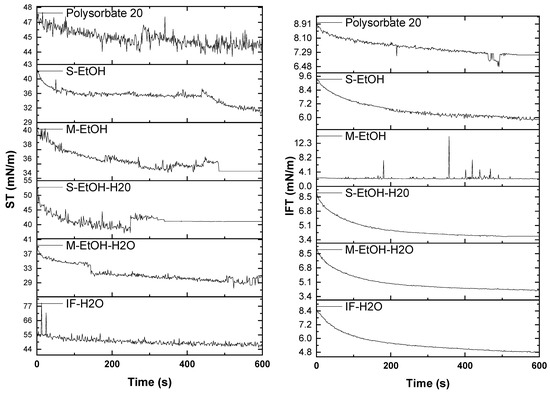
Skin protection against ultraviolet (UV) radiation has long been crucial due to its role in photoaging, sunburn, and wrinkles. This study focuses on developing a bio-based sunscreen from Calendula arvensis capitula extract. Various extraction methods (maceration, sonication, and infusion) and solvents (EtOH, EtOH-H2O, and H2O) were explored in order to identify the most effective extract for use in a sunscreen formulation. Each extract was analyzed for its phenolic content, as well as antioxidant activities (assessed through DPPH, CAT, and FRAP assays). Enzyme inhibition assays for tyrosinase, elastase, and collagenase highlighted the low IC50 values of the hydroethanolic extract. Furthermore, the in vitro sun protection factor (SPF) against UVB radiation was measured using ultraviolet spectrophotometry. A phytochemical analysis showed phenolic levels between 8 and 27 mg GAE/g, flavonoid concentrations of 7–13 mg QE/g, and tannin levels of 1.15–1.68 mg/mL, alongside moderate antioxidant activity. The ethanol maceration extract reduced the interfacial tension to 2.15 mN/m in 600 s, outperforming the conventional emulsifier polysorbate 20. The sonicated hydroethanolic extract demonstrated remarkable SPF efficacy (SPF = 193.65 ± 0.02), far exceeding that of the standard zinc oxide (SPF = 11.88 ± 0.03). The proposed formulations meet the COSMOS standards, suggesting their potential for certification as biological products. Further clinical and in vivo studies are necessary to confirm their safety and commercial viability.
Full article
(This article belongs to the Special Issue Skin Anti-Aging Strategies)
►▼
Show Figures

Figure 1
Open AccessArticle
1,2-Dihydroxy-9H-Xanthen-9-One, a Multifunctional Nature-Inspired Active Ingredient
by
Ana Jesus, Sara F. Vieira, Gonçalo Brites, Mylène Carrascal, Helena Ferreira, Nuno M. Neves, Honorina Cidade, Madalena Pinto, Emília Sousa, Isabel F. Almeida and Maria T. Cruz
Cosmetics 2024, 11(6), 215; https://doi.org/10.3390/cosmetics11060215 - 8 Dec 2024
Abstract
Incorporating antioxidants into cosmetics is the mainstay for developing new products to mitigate skin aging. However, identifying novel multifunctional antioxidant ingredients with additional relevant properties that block the skin hallmarks of aging is a very striking strategy. Many natural compounds, including xanthones, have
[...] Read more.
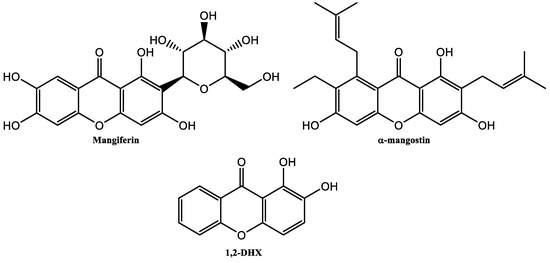
Incorporating antioxidants into cosmetics is the mainstay for developing new products to mitigate skin aging. However, identifying novel multifunctional antioxidant ingredients with additional relevant properties that block the skin hallmarks of aging is a very striking strategy. Many natural compounds, including xanthones, have demonstrated biologically notable properties. In particular, 1,2-dihydroxy-9H-xanthen-9-one (1,2-DHX) has inhibitory activity against skin enzymes, and metal-chelating and radical-scavenging activities. Therefore, 1,2-DHX is an attractive molecule for cosmetic purposes. With this goal in mind, the anti-inflammatory, antioxidant, and anti-allergic potentials of 1,2-DHX were investigated. 1,2-DHX demonstrated anti-inflammatory properties by inhibiting the synthesis of specific pro-inflammatory mediators, including interleukin-6 (IL-6) and prostaglandin E2 (PGE2), in human macrophages. This xanthone did not elicit sensitization reactions and did inhibit allergic reactions triggered by a strong skin allergen, suggesting its potential as an anti-allergic compound. 1,2-DHX also revealed mitochondrial antioxidant activity by mitigating rotenone-induced oxidative stress in macrophages by up to 40%. Overall, 1,2-DHX displayed a safety profile and noteworthy biological activities, highlighting its multifunctional profile as an active cosmetic ingredient with anti-inflammatory, antioxidant, and anti-allergic properties.
Full article
(This article belongs to the Special Issue Skin Anti-Aging Strategies)
►▼
Show Figures

Figure 1
Open AccessArticle
The Potential of Tecoma stans (Linn.) Flower Extract as a Natural Antioxidant and Anti-Aging Agent for Skin Care Products
by
Panikchar Wichayapreechar, Anchalee Prasansuklab, Pimchanok Charoongchit and Ranit Charoenjittichai
Cosmetics 2024, 11(6), 214; https://doi.org/10.3390/cosmetics11060214 - 8 Dec 2024
Abstract
Tecoma stans belongs to the Bignoniaceae family and possesses various pharmacological activities, including antimicrobial, anti-inflammatory, antifungal, antioxidant, and wound-healing activities. Although numerous studies have highlighted the beneficial effects of T. stans extracts, the impacts of different solvents on its biological activities, particularly its
[...] Read more.
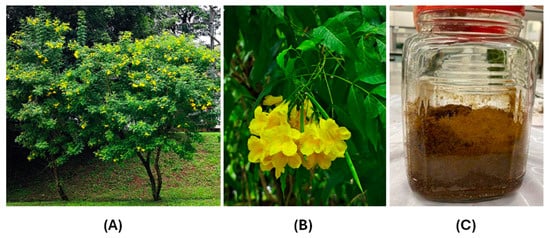
Tecoma stans belongs to the Bignoniaceae family and possesses various pharmacological activities, including antimicrobial, anti-inflammatory, antifungal, antioxidant, and wound-healing activities. Although numerous studies have highlighted the beneficial effects of T. stans extracts, the impacts of different solvents on its biological activities, particularly its inhibitory effect on skin degradation enzymes (collagenase, elastase, and hyaluronidase assay), have not been reported. This study aims to explore the effects of different solvent extractions on the total phenolic and total flavonoid contents, antioxidant and anti-aging activities, and cytotoxicity. The most suitable extract was selected for incorporation into an anti-aging product. T. stans flowers were extracted using hexane, ethyl acetate, absolute ethanol, and deionized water through maceration. The aqueous extract yielded the highest extraction efficiency (40.73%), followed by absolute ethanol, ethyl acetate, and hexane. The phytochemical screening results revealed that all T. stans flower extracts contained phenolics, flavonoids, terpenoids, and alkaloids. Among the various solvents tested for T. stans flower extraction, absolute ethanol demonstrated the highest total phenolic content (24.10 ± 2.07 mg gallic acid equivalents (GAE)/g extract), followed by deionized water (20.83 ± 1.28 mg GAE/g extract). The highest total flavonoid content was observed in the ethyl acetate extract (205.11 ± 7.83 mg catechin equivalents (CE)/g extract), with ethanol showing a significantly lower concentration (140.67 ± 1.92 mg CE/g extract). In terms of antioxidant activity, the aqueous extract exhibited the most potent effects, with IC50 values of 0.600 ± 0.005 mg/mL for the DPPH• assay and 0.207 ± 0.001 mg/mL for the ABTS•+ assay. For anti-aging assays, the absolute ethanolic extract demonstrated the highest enzyme inhibition activity at 1 mg/mL, with collagenase, elastase, and hyaluronidase inhibition rates of 89.49% ± 2.96%, 94.61% ± 2.33%, and 82.56% ± 2.27%, respectively. Moreover, at a concentration of 50 µg/mL, the absolute ethanolic extract exhibited lower cytotoxicity, with human keratinocyte (HaCaT) cell viability of 78% ± 8.47%, which was significantly higher than that of the other extracts. An anti-aging gel containing 0.05% w/w of the ethanolic T. stans extract demonstrated physical and physicochemical stability during three months of storage at ambient temperatures, 4 °C, 45 °C, as well as after six cycles of heating/cooling tests. These findings suggest that the ethanolic extract of T. stans flower has potential as a safe and effective anti-aging agent for cosmeceutical products.
Full article
(This article belongs to the Special Issue Current and Future Trends in Cosmetics Research: The 10th Anniversary of Cosmetics)
►▼
Show Figures

Figure 1
Open AccessArticle
Evaluation of the Effects of Age, Sex, and Dexpanthenol-Containing Skin Care on the Facial and Body Skin Microbiome
by
Zainab Qaizar, Raffaella de Salvo, Gregor Bieri, Katrin Unbereit, Shannon Montgomery and Erwan Peltier
Cosmetics 2024, 11(6), 213; https://doi.org/10.3390/cosmetics11060213 - 6 Dec 2024
Abstract
►▼
Show Figures
Given the pivotal role played by the microbiome in skin health, it is important to understand how its composition varies with age, sex, and body site and regular use of topical products. Four studies were carried out to determine the effects of long-term
[...] Read more.
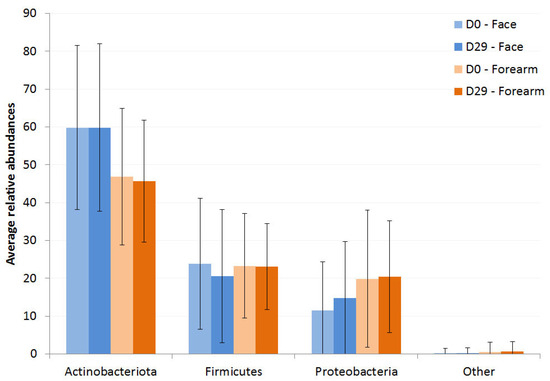
Given the pivotal role played by the microbiome in skin health, it is important to understand how its composition varies with age, sex, and body site and regular use of topical products. Four studies were carried out to determine the effects of long-term (4-week) use of different dexpanthenol-containing topical products on the skin microbiome of a varied population with cosmetically dry skin. The skin microbiome composition was assessed before and after product usage. No significant changes in microbiome richness or diversity were found for the individual test products; however, a meta-analysis of the combined dataset did show changes in microbiome composition as a function of the subject’s sex, age, and body site. The work presented here demonstrates how the use of carefully formulated topical products on skin, when used in a way that is representative of real-life usage conditions, can respect the microbial diversity present on skin across a widely varied study population.
Full article

Figure 1
Open AccessArticle
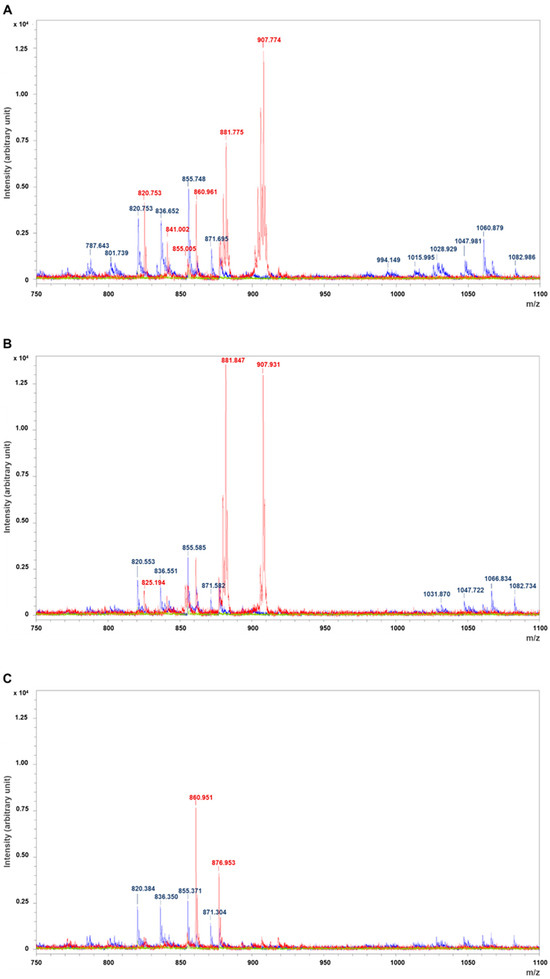
Penetration of Vegetable Oils into Textured Hair Fibers: Integrating Molecular Matrix Assisted Laser Desorption Ioni-Zation Time-of-Flight Mass Spectroscopy (MALDI TOF/TOF MS) Analysis with Mechanical Measurements
by
Carolina Botelho Lourenço, Rebeca Mantuan Gasparin, Fernanda Malanconi Thomaz, Renato Grimaldi, Ana Cláudia Paiva-Santos and Priscila Gava Mazzola
Cosmetics 2024, 11(6), 212; https://doi.org/10.3390/cosmetics11060212 - 5 Dec 2024
Abstract
The promotion of natural beauty has empowered women with textured hair to embrace their natural hair texture and opt for bleaching as a means of style variation. However, bleaching exacerbates the inherent fragility of this hair type, necessitating treatments to partially restore its
[...] Read more.
The promotion of natural beauty has empowered women with textured hair to embrace their natural hair texture and opt for bleaching as a means of style variation. However, bleaching exacerbates the inherent fragility of this hair type, necessitating treatments to partially restore its mechanical properties. Vegetable oils, renowned for their strengthening properties, were evaluated regarding (I) their ability to penetrate both virgin and bleached textured hair using Matrix-Assisted Laser Desorption Ionization (MALDI) time-of-flight (TOF) analysis, and (II) their effects by way of tensile and fatigue tests. The MALDI–TOF results revealed groups of oil molecules in the cortical region of the bleached textured hair. The tensile test results, in turn, showed that the oil treatments were unable to alter the mechanical properties of the hair. Conversely, the fatigue test showed an increase in resistance in the virgin hair, most likely attributed to a lubrication effect in the outermost portions of the cortex and cuticles. In the bleached hair, a reduction in resistance was noted following the treatment with the oils. Comparative analysis with a previous study on straight hair by our group suggests that external molecules diffuse more homogeneously in straight hair than in textured hair. The unique cortical structure of textured hair creates two areas with distinct diffusion zones, resulting in the irregular distribution of external materials and different effects compared to straight hair.
Full article
(This article belongs to the Special Issue Current and Future Trends in Cosmetics Research: The 10th Anniversary of Cosmetics)
►▼
Show Figures

Figure 1
Open AccessEditorial
Application of Plant-Based Molecules and Materials in Cosmetics
by
Paulraj Mosae Selvakumar
Cosmetics 2024, 11(6), 211; https://doi.org/10.3390/cosmetics11060211 - 4 Dec 2024
Abstract
With the growing demand for products that are gentle on the skin and manufactured by eco-friendly means, the field of cosmetics is witnessing a remarkable shift toward natural ingredients [...]
Full article
(This article belongs to the Special Issue Application of Plant-Based Molecules and Materials in Cosmetics)
Open AccessReview
Essential Oils as Dermocosmetic Agents, Their Mechanism of Action and Nanolipidic Formulations for Maximized Skincare
by
Shamama Javed, Bharti Mangla, Ahmad Salawi, Muhammad H. Sultan, Yosif Almoshari and Waquar Ahsan
Cosmetics 2024, 11(6), 210; https://doi.org/10.3390/cosmetics11060210 - 2 Dec 2024
Abstract
►▼
Show Figures
Essential oils (EOs) are known for their diverse bioactivities, including antioxidant, anti-inflammatory, antibacterial, antifungal, antiviral, skin-barrier repairing and anticancer, and therefore, hold profound potential to be used in cosmetic and skincare products. Owing to these properties, EOs have long been utilized to address
[...] Read more.
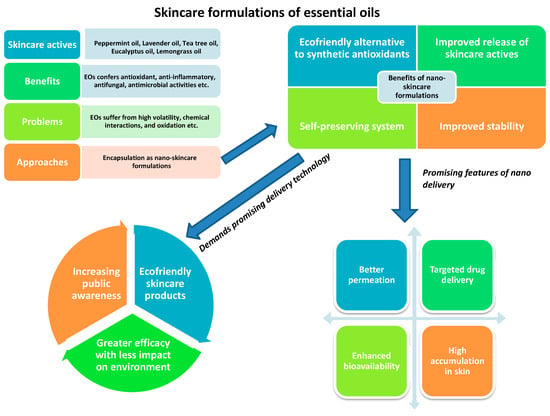
Essential oils (EOs) are known for their diverse bioactivities, including antioxidant, anti-inflammatory, antibacterial, antifungal, antiviral, skin-barrier repairing and anticancer, and therefore, hold profound potential to be used in cosmetic and skincare products. Owing to these properties, EOs have long been utilized to address a range of dermatological issues, from acne and inflammation to aging and dryness. However, problems associated with EOs beset their practical applications, which include high volatility, oxidation, hydrophobic nature, low bioavailability, skin irritation, chemical transformation and poor stability in air and light. A prospective of nanolipidic formulations, including the nanostructured lipid carriers (NLCs) and solid lipid nanoparticles (SLNs) system for improved skin delivery of these EOs highlights the possibility of their use in topical applications, which offer several advantages such as improved bioavailability and stability, lower toxicity and higher drug content. These nanoformulations protect the EOs from environmental degradation and improve their penetration into deeper skin layers, leading to prolonged therapeutic benefits. The delivery of bioactive agents using a conventional topical preparation exhibits low penetration, frequent applications, poor adherence and prolonged therapy duration, whereas the novel delivery system exhibits improved stability of the drug, enhanced skin penetration, enhanced retention and better therapeutic efficacy. This review provides a comprehensive compendium of information on EOs, which are widely used in skincare, along with their nanolipidic formulations for maximized skincare uses. The mechanism of action of EOs as skin bioactive agents, challenges associated with their use, advances in nanolipidic formulations and their market value as cosmetic skincare products are also explored.
Full article

Figure 1
Open AccessReview
Aberrances of the Wound Healing Process: A Review
by
Montserrat Fernandez-Guarino, Jorge Naharro-Rodriguez and Stefano Bacci
Cosmetics 2024, 11(6), 209; https://doi.org/10.3390/cosmetics11060209 - 28 Nov 2024
Abstract
Wound healing is a complex biological process that can lead to chronic wounds, keloids, and hypertrophic scars when disrupted. Chronic wounds result from a prolonged inflammatory phase and impaired re-epithelialization. Keloids are characterized by excessive collagen deposition beyond the original wound boundaries, driven
[...] Read more.
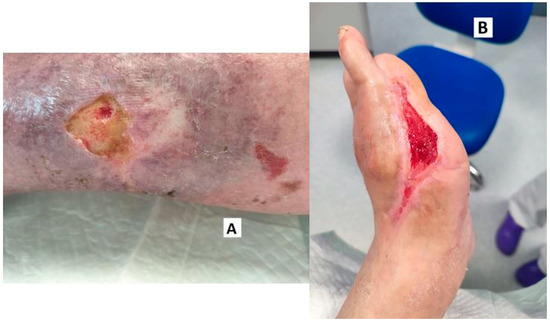
Wound healing is a complex biological process that can lead to chronic wounds, keloids, and hypertrophic scars when disrupted. Chronic wounds result from a prolonged inflammatory phase and impaired re-epithelialization. Keloids are characterized by excessive collagen deposition beyond the original wound boundaries, driven by persistent inflammation and fibroblast hyperactivity. Hypertrophic scars, on the other hand, are confined to the wound edges and are caused by an imbalance in collagen synthesis and degradation, typically resolving over time. The therapeutic approach to wound healing impairment involves a range of strategies, including non-invasive (which focus on supporting the natural healing process), minimally invasive, and aggressive interventions (such as surgical approach, often reserved for severe or refractory cases). Emerging therapies, including stem cell treatments and botulinum toxin injections, offer new hope for improving outcomes in patients with wound healing impairments. This review highlights the distinct mechanisms underlying chronic wounds, keloids, and hypertrophic scars and discusses their respective therapeutic approaches, focusing on both established and emerging therapies. Understanding these mechanisms is crucial for optimizing treatment strategies and improving patient outcomes.
Full article
(This article belongs to the Special Issue Current and Future Trends in Cosmetics Research: The 10th Anniversary of Cosmetics)
►▼
Show Figures

Figure 1
Open AccessReview
Seborrheic Dermatitis: From Microbiome and Skin Barrier Involvement to Emerging Approaches in Dermocosmetic Treatment
by
Giulia Galizia, Anna Belloni Fortina and Alessandra Semenzato
Cosmetics 2024, 11(6), 208; https://doi.org/10.3390/cosmetics11060208 - 28 Nov 2024
Abstract
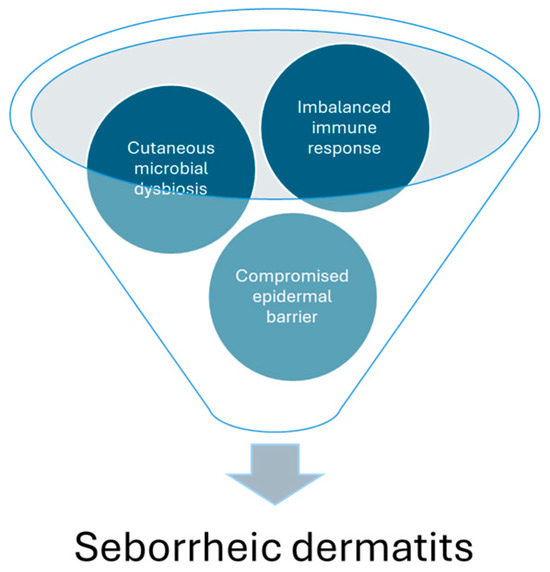
Seborrheic dermatitis (SD) is a chronic inflammatory skin disease that primarily affects sebaceous-rich areas such as the scalp, face, and upper trunk. While the precise etiology remains multifactorial, the role of the skin microbiome, particularly the proliferation of Malassezia species, and alterations in
[...] Read more.
Seborrheic dermatitis (SD) is a chronic inflammatory skin disease that primarily affects sebaceous-rich areas such as the scalp, face, and upper trunk. While the precise etiology remains multifactorial, the role of the skin microbiome, particularly the proliferation of Malassezia species, and alterations in the skin barrier function are critical in its pathogenesis. Disruption of the skin barrier, characterized by increased transepidermal water loss (TEWL) and reduced production of epidermal lipids, creates a favorable environment for microbial overgrowth and inflammation. Recent insights highlight the interplay between the impaired barrier function, immune responses, and the skin microbiome in perpetuating the disease. Additionally, novel dermocosmetic approaches are emerging that target these underlying mechanisms, offering promising therapeutic avenues. This review provides a comprehensive overview of the involvement of skin microbiome and barrier dysfunction in seborrheic dermatitis and discusses the potential of advanced dermocosmetic treatments aimed at restoring skin homeostasis and preventing disease recurrence.
Full article
(This article belongs to the Special Issue 10th Anniversary of Cosmetics—Recent Advances and Perspectives)
►▼
Show Figures

Figure 1
Open AccessArticle
Clinical and Psychological Aspects of Piercing: A Cross-Sectional Study with Special Attention to Body Dysmorphic Disorder Symptoms, Appearance Anxiety, Body Image Perception and Self-Esteem
by
Justyna Putek and Jacek C. Szepietowski
Cosmetics 2024, 11(6), 207; https://doi.org/10.3390/cosmetics11060207 - 28 Nov 2024
Abstract
The aim of this study was to measure the level of self-esteem among individuals with piercings, evaluate body image perception, and screen the study group for body dysmorphic disorder symptoms. Two hundred and six individuals from Poland completed the Appearance Anxiety Inventory (AAI),
[...] Read more.
The aim of this study was to measure the level of self-esteem among individuals with piercings, evaluate body image perception, and screen the study group for body dysmorphic disorder symptoms. Two hundred and six individuals from Poland completed the Appearance Anxiety Inventory (AAI), Body Dysmorphic Disorder Questionnaire-Dermatology Version (BDDQ-DV), Functionality Appreciation Scale (FAS), and Rosenberg Self Esteem Scale (RSES). Differences between groups were determined using a two-sample t-test, post-hoc chi-square test with Bonferroni’s adjustment, the Kruskal–Wallis test, and the Mann–Whitney test. One hundred ninety-six (95.1%) respondents were females, and 10 (4.9%) were males, aged from 15 to 48 years (mean age ± SD = 23.1 ± 6.4 years). Of the respondents, 25.7% screened positive for BDD symptoms according to the AAI and 29.1% screened positive according to the BDDQ-DV. According to the FAS, significantly lower body image was presented by individuals with psychiatric treatment (3.8 ± 0.9 vs. 4.1 ± 0.7, p < 0.05) and by respondents who screened positive for BDD symptoms. Significantly lower self-esteem was reported in individuals with psychiatric comorbidities, psychiatric treatment, and in the BDD-groups according to the RSES (AAI: 24.0 ± 5.6 vs. 30.9 ± 6.0; p < 0.001; BDDQ-DV: 24.0 ± 5.8 vs. 31.3 ± 3.7; p < 0.001). In conclusion, individuals with piercings should be regarded as a group with an increased risk for BDD symptoms.
Full article
Open AccessReview
Emerging and Pioneering AI Technologies in Aesthetic Dermatology: Sketching a Path Toward Personalized, Predictive, and Proactive Care
by
Diala Haykal
Cosmetics 2024, 11(6), 206; https://doi.org/10.3390/cosmetics11060206 - 26 Nov 2024
Abstract
Objectives: Artificial intelligence (AI) is transforming aesthetic dermatology, introducing new opportunities for personalized, predictive, and adaptive approaches in skin diagnostics, treatment planning, and patient management. This review examines AI’s evolving role in enhancing diagnostic precision, individualizing treatments, and supporting dynamic patient care, with
[...] Read more.
Objectives: Artificial intelligence (AI) is transforming aesthetic dermatology, introducing new opportunities for personalized, predictive, and adaptive approaches in skin diagnostics, treatment planning, and patient management. This review examines AI’s evolving role in enhancing diagnostic precision, individualizing treatments, and supporting dynamic patient care, with a focus on practical implementation in clinical settings. Results: This piece highlights how AI-based imaging and predictive tools enable more precise diagnostics and tailored treatment protocols, leading to improved patient outcomes and satisfaction. Some of the key benefits of AI in aesthetic dermatology include the ability to detect subtle skin changes, simulate treatment outcomes, and adjust interventions in real time. However, this manuscript also addresses significant challenges that practitioners face, such as technical constraints, data privacy concerns, algorithmic biases, and financial barriers, which impact the accessibility and efficacy of AI across diverse patient populations. Conclusions: While AI holds significant potential to enhance aesthetic dermatology, its responsible integration requires addressing these challenges through clinician training, ethical guidelines, and robust data security measures. Effective use of AI will depend on collaboration between technology developers, clinicians, and regulatory bodies. Perspectives: Looking forward, the development of diverse, inclusive datasets and transparent, patient-centered AI models will be essential to ensure that AI’s benefits reach all patients equitably and safely. By prioritizing these factors, AI-driven technologies would become a reliable, accessible, and transformative element of aesthetic dermatology practice.
Full article
Journal Menu
► ▼ Journal Menu-
- Cosmetics Home
- Aims & Scope
- Editorial Board
- Reviewer Board
- Topical Advisory Panel
- Instructions for Authors
- Special Issues
- Topics
- Topical Collections
- Article Processing Charge
- Indexing & Archiving
- Most Cited & Viewed
- Journal Statistics
- Journal History
- Journal Awards
- Conferences
- Editorial Office
- 10th Anniversary
Journal Browser
► ▼ Journal BrowserHighly Accessed Articles
Latest Books
E-Mail Alert
News
Topics
Topic in
Pharmaceuticals, Pharmaceutics, Antioxidants, Nanomaterials, JFB, Cosmetics
New Challenges in the Cosmetics Industry
Topic Editors: Ana Catarina Silva, Hugo Almeida, Ana BarrosDeadline: 31 March 2025
Topic in
Clinics and Practice, Cosmetics, JCM, Medicina, Dermato, LabMed, Psychology International
Advances in Psychodermatology
Topic Editors: Jacek C Szepietowski, Andrzej JaworekDeadline: 30 November 2025
Conferences
Special Issues
Special Issue in
Cosmetics
Recent Advance in Hair Science and Hair Care Technologies: 2nd Edition
Guest Editor: Kenzo KoikeDeadline: 20 December 2024
Special Issue in
Cosmetics
10th Anniversary of Cosmetics—Recent Advances and Perspectives
Guest Editor: Vasil GeorgievDeadline: 31 December 2024
Special Issue in
Cosmetics
Cosmetic Dermatologic Surgery
Guest Editors: Mihaela Pertea, Anca ChiriacDeadline: 31 December 2024
Special Issue in
Cosmetics
Current and Future Trends in Cosmetics Research: The 10th Anniversary of Cosmetics
Guest Editor: Enzo BerardescaDeadline: 31 December 2024
Topical Collections
Topical Collection in
Cosmetics
Editorial Board Members' Collection Series: "Sustainability in Materials and Processes in Cosmetic Science"
Collection Editors: Pierfrancesco Morganti, Alina Sionkowska
Topical Collection in
Cosmetics
Editorial Board Members' Collection Series: "Novel Delivery Systems for Dermocosmetic Applications"
Collection Editors: Elisabetta Esposito, Debora Santonocito