Your ultimate guide to Washington, DC
Discover Washington, DC's best things to do, restaurants, theater and nightlife
Where to eat in Washington, DC
The best brunch in DC
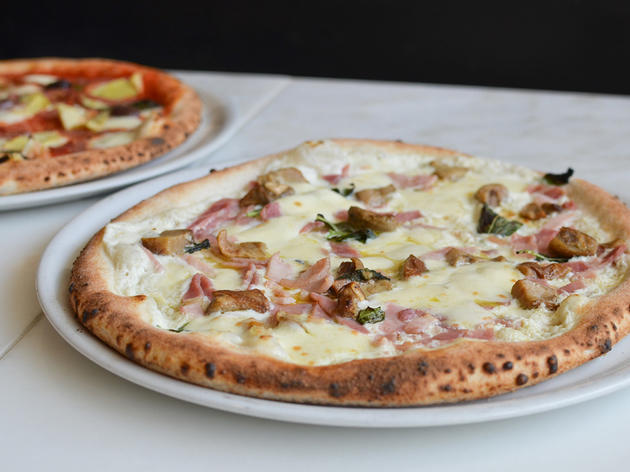
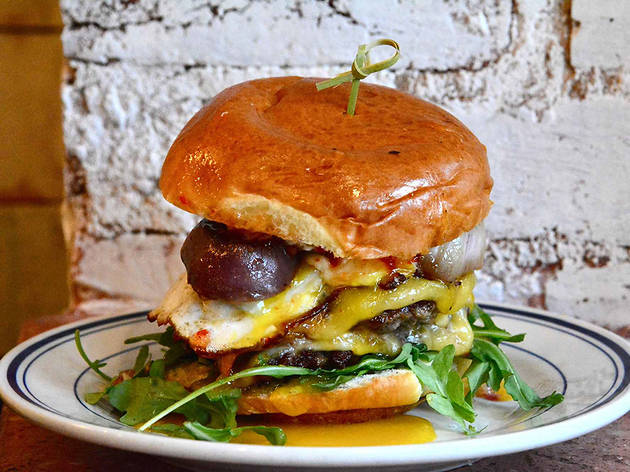
Whether your weekend plans involve visiting the best museums in DC, exploring the town while on one of many cool Washington, DC tours or working through your best Washington DC attractions bucket list, you’ll need to make some time for a proper DC brunch. From eggs to pancakes and Mimosas, these spots serve some of the best eggs, pancakes and mimosas in the city. RECOMMENDED: See the best restaurants in DC
Things to do in Washington, DC

The best live music and concert venues in DC
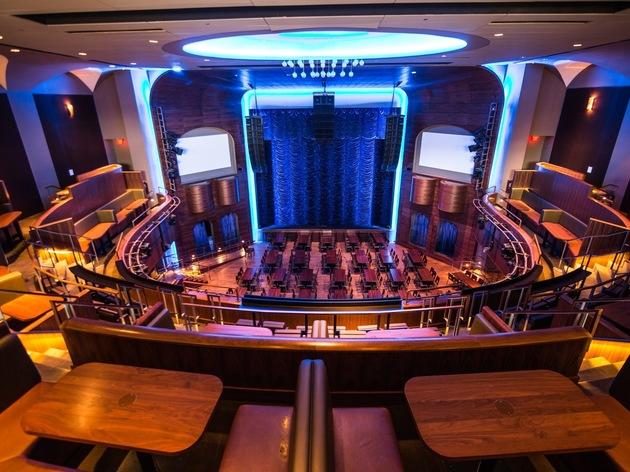
If you want to catch a gig in Washington, DC, you needn't look far. The city has no shortage of dedicated venues, but some nightclubs and bars and lounges such as the Eighteenth Street Lounge, also offer live music. The perennially popular 9:30 Club on V Street hosts some of the biggest-name acts that come to town. But you’ll need to be quick—shows can sell out in minutes. Smaller music venues include Black Cat, which has two stages, varied bookings and a bar that occasionally hosts special events, such as vinyl sales.
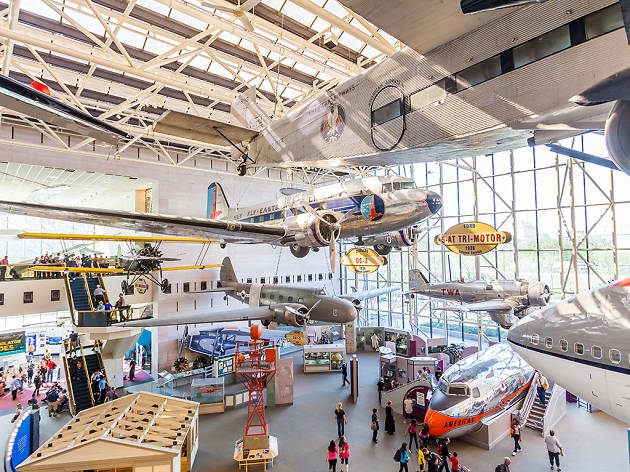
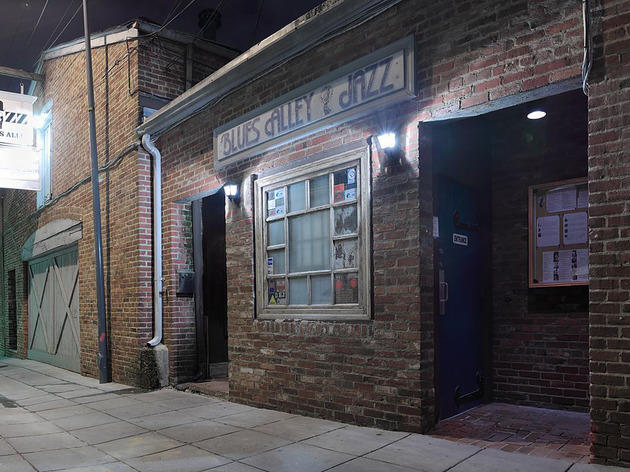
The best jazz clubs in Washington, DC
Known as the home of Duke Ellington and Shirley Horn, among other illustrious jazzers, the capital has long had a thriving jazz scene. Historically clustered in the U Street Corridor, jazz clubs are now scattered throughout the city. Some of the city’s best bars, including the trendy Eighteenth Street Lounge, lend a stage to jazz musicians, and the Kennedy Center is a good bet for high-profile artists. For blues, R&B and related genres, consult our list of the best live music venues.
Arts and culture in Washington, DC
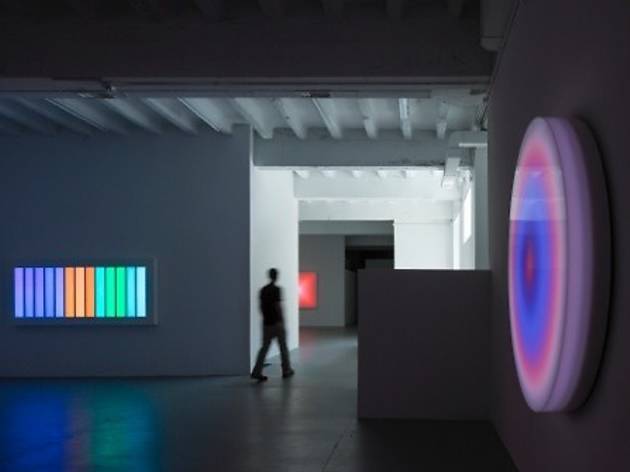
ConnerSmith
Since Leigh Conner and Jamie Smith opened their gallery in 1999, they have been showing prints, photographs, paintings and sculptures by the kind of cutting-edge artists Washingtonians usually travel to New York to see. The pair’s expansive gallery on Florida Avenue, NE, is unrivalled in DC—the massive, flexible space has played host to Leo Villareal (whose LED-based light sculpture Multiverse is in the National Gallery of Art’s collection) and video artist Federico Solmi. Strong shows by DC’s younger artists have been well received.
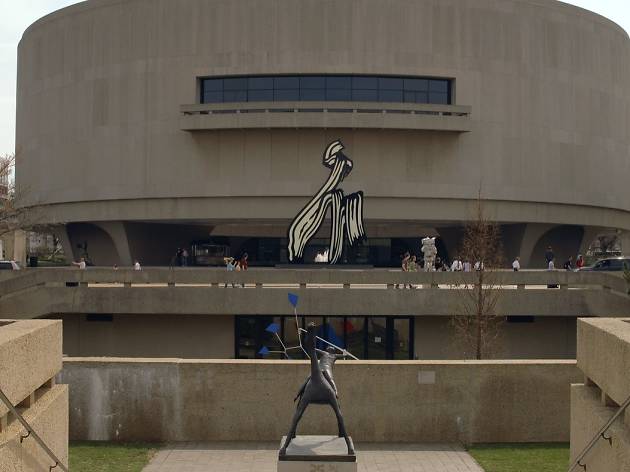
Hirshhorn Museum & Sculpture Garden
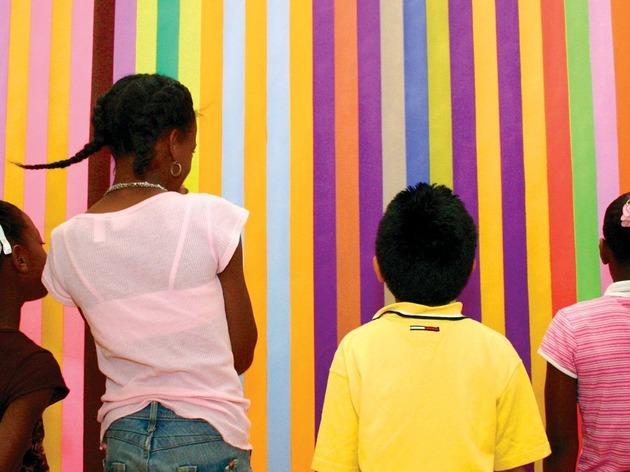
This spectacular, aggressively modern cylindrical building by Skidmore, Owings and Merrill enlivens the predominantly neoclassical architecture lining the Mall. The purpose of the structure, which was completed in 1974, was to house self-made Wall Street millionaire Joseph Hirshhorn’s collection of 20th-century painting and sculpture. The museum now presents art in a range of media, including works on paper, painting, installation, photography, sculpture, digital and video art.
Phillips Collection
This mansion was opened as a gallery in the 1920s by Marjorie and Duncan Phillips as a memorial to his father. The building was remodeled in the 1960s and underwent further renovation in the ’80s, when an extension increased its space by almost 20,000sq ft. In 2006, the museum unveiled its Sant Building, another expansion project that added airy galleries for modern art, an outdoor sculpture terrace and café, an art and technology laboratory and an auditorium. The museum’s signature painting, Renoir’s Luncheon of the Boating Party, enjoys pride of place in the permanent collection galleries. There, significant Van Gogh oils rub shoulders with Steiglitz prints and a solid selection of works by Picasso, Paul Klee, Bacon, Vuillard and Rothko—that is, if a traveling show hasn’t deposed them temporarily.
Arthur M. Sackler Gallery
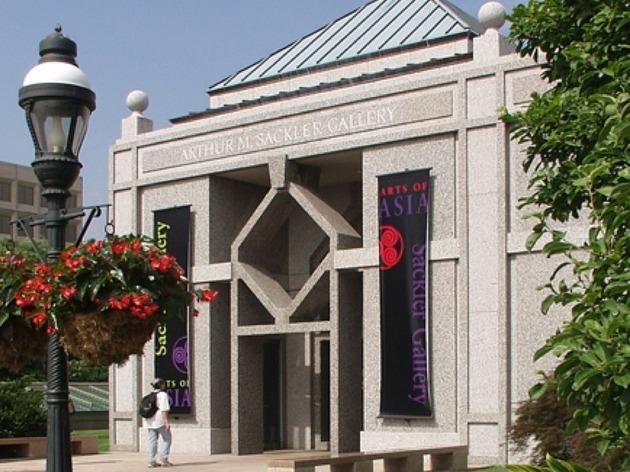
The Sackler contains some of the most important holdings of Asian art in the world. It has more flexibility than its neighbor, the Freer Gallery, whose mandate forbids the exhibition of anything from outside its collection. The Sackler, on the other hand, stages international loan exhibitions of Asian art (a recent show featured Ai Wei Wei). Connected to the Freer by an underground passageway, the Sackler was built up around a 1,000-piece Asian art gift from Dr Arthur M Sackler. Visitors enter through architects Shepley Bulfinch Richardson and Abbott’s first-floor granite pavilion (a similar pavilion, by the same firm, is at the National Museum of African Art). You then head below ground into a maze of overlapping bridges and long passageways that give the feel of an ancient temple.
National Gallery of Art
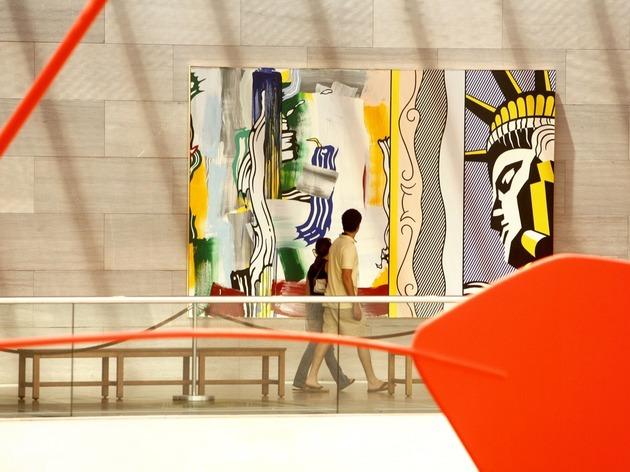
Pittsburgh investment banker and industrialist Andrew Mellon was born the son of a poor Irish immigrant but went on to serve as US Treasury secretary from 1921 to 1932. In 1941, he presented the National Gallery’s West Building as a gift to the nation. Mellon’s son, Paul, created the gallery’s East Building in 1978. Mellon junior, who had donated over 900 artworks during his lifetime, bequeathed $75 million and 100 paintings—including works by Monet, Renoir and Cézanne—on his death in 1999.
David Adamson Gallery
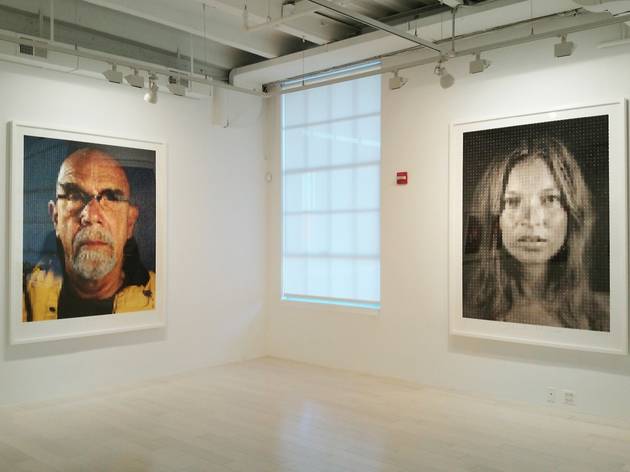
A longtime Downtown favorite, David Adamson Gallery decamped to Logan during the great gallery exodus of 2004. Now a stand-alone exhibition space that’s separate from its internationally recognized printmaking studio, the gallery continues to exhibit the fruits of its printmaking collaborations with contemporary art heavyweights such as Renate Aller and Chuck Close. One of Washington’s blue chip spaces.