JOIN ART GRADE 5 NEWSELA CLASS
QUIZLET ON ILLUMINATED LETTERS


We tend to call any piece of architectural sculpture that depicts animals a gargoyle. Strictly speaking, however, gargoyles are decorative waterspouts that preserve stonework by diverting the flow of rainwater away from buildings. The word, gargoyle, derives from the French gargouille, or throat, from which the verb, to gargle, also originates. Although the sculptural waterspout originated in Antiquity, it grew in popularity on Romanesque structures, especially during the Gothic period. Grotesques, while similar in appearance, serve a variety of other practical and ornamental functions, as corbels or capitals, for instance. The term, grotesque, can apply to any fanciful human or animal form, especially when it indulges in caricature or absurdity. These sculptural creatures appear most commonly on religious structures, but also on university buildings, town halls and even on homes. From http://rmc.library.cornell.edu/adw/gravely/gargoyle.html

By artist Bill Planter


Ready…set SCULPT your Gargoyle head! Be sure to include an interesting bone/facial structure (FORM) & add lots of TEXTURE (Scales, wrinkles, folds, cracks…)
Remember, pieces must be joined securely and be SOLID & STURDY…pieces that you sculpt too thin will crack/crumble/fall off.


Gothic Architecture Information!

Gothic Architecture Game!

Discover more about Art & Music in the Middle Ages!

Click to view Day of the Dead PREZI

What exactly is Mexican Folk Art?
Folk Art is the name given to the artistic creations made by peasants, indigenous people or craftsmen with no formal artistic training. A folk art item is handmade and has a functional purpose opposing an art object that is made for aesthetic purposes only. Most of the folk art creations are made by anonymous people but they can be identified with a region or ethnic group culture.
An artisan or folk artist is often described as a person skilled in an applied art who makes by hand distinctive products in small quantities using traditional methods and through experience and talent reaches the expressive levels of art in their work and what they create.





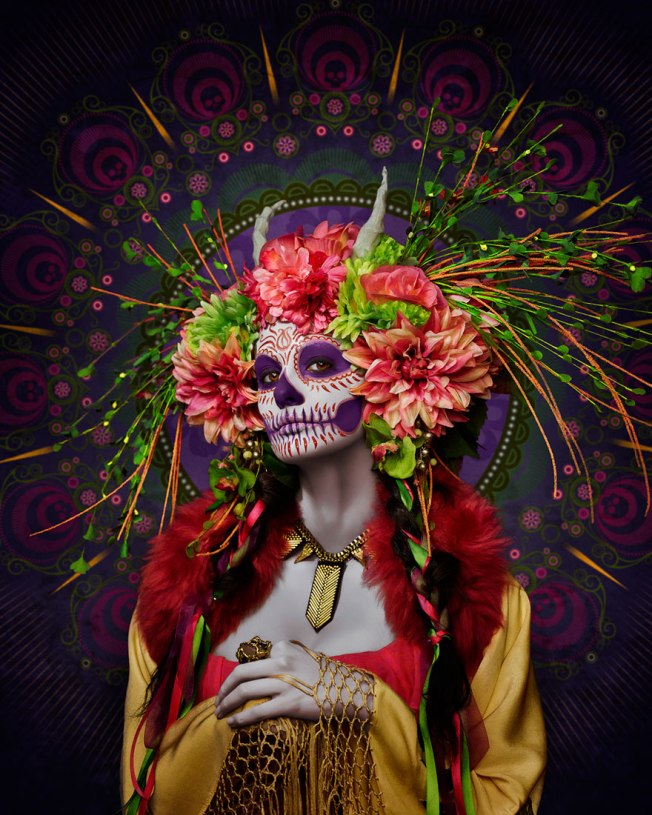


From illustratedatcs.com

*Tutorial from bestkidscrafts.com
https://edpuzzle.com/embed/media/59f21d5ffc841940fb3892c4


CANDY CORN STILL LIFE

In this lesson, you will learn how to set up a still life, use a viewfinder to find a great composition, and draw what you see! You will learn to find and draw all of the flaws in this candy as well as the shadows, cast shadows, and highlights in the candy corn. You will use multiple colors of colored pencil to give your still life drawing a sense of realism!

STILL LIFE DISCOVERY!


A HUGE THANK YOU to the person who posted these heart examples that I found on Pinterest. I had searched up metal tooled hearts again but can no longer find these images to figure out who first posted them or who they originally belong to:-( So if you are the original owner please contact me so I can give credit where credit is due:-)


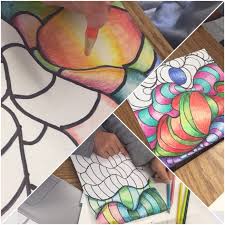


Link to OPTICAL ART LESSON http://juliannakunstler.com/art1_opt_des.html#.UjesPByI0nU


Theodor Seuss Geisel, a.k.a. Dr. Seuss, began his career as a little-known editorial cartoonist in the 1920s. His intriguing perspective and fresh concepts ignited his career, and his work evolved quickly to deft illustrations, modeled sculpture, and sophisticated oil paintings of elaborate imagination. His artistic vision emerged as the golden thread that linked every facet of his varied career, and his artwork became the platform from which he delivered forty-four children’s books, more than 400 World War II political cartoons, hundreds of advertisements, and countless editorials filled with wonderfully inventive animals, characters, and humor.
Geisel single-handedly forged a new genre of art that falls somewhere between the surrealist movement of the early 20th century and the inspired nonsense of a child’s classroom doodles. The Art of Dr. Seuss project offers a rare glimpse into the artistic life of this celebrated American icon and chronicles almost seven decades of work that, in every respect is uniquely, stylistically, and endearingly Seussian.


How To Draw Dragons Tutorial Part 1
How To Draw Dragons Tutorial Part 2

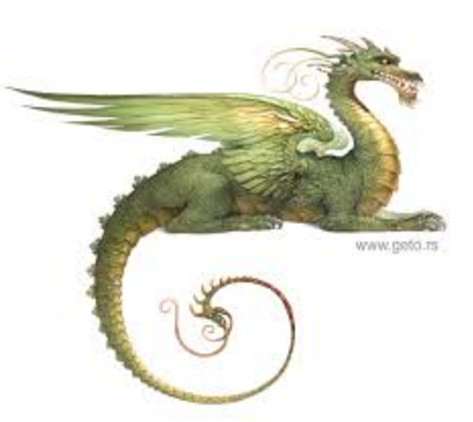


A website for Dragon Inspiration!
LESSON ON COMPOSITION & PAINTING from art teacher Emily Jane Valenza BELOW…


