-

Google to Block Logins from Embedded Browser Frameworks
To increase protection against man-in-the-middle (MitM) attacks, Google in June will block sign-ins from embedded browser frameworks, which are used with some forms of phishing.
- April 18, 2019
- 09:11 PM
- 0
-
The HotList is The Latest Instagram Phishing Scam Attack
A phishing scam called The HotList is the latest scam currently making its way through Instagram. This scam pretends to be a list of pictures ranked on how "Hot" they are, but just leads to a fake Instagram login page that is used to steal account logins and passwords.
- April 18, 2019
- 07:23 PM
- 0
-
Cyber Attack Forces The Weather Channel Off the Air
The Weather Channel stopped its live broadcasting this morning due to a security incident that lasted for at least 90 minutes.
- April 18, 2019
- 05:57 PM
- 0
-
Unsecured Databases Leak 60 Million Records of Scraped LinkedIn Data
Eight unsecured databases were found leaking approximately 60 million records of LinkedIn user information. While most of the information is publicly available, the databases contain the email addresses of the LinkedIn users.
- April 18, 2019
- 01:17 PM
- 0
-
Ride-Hailing Company Exposes Sensitive Info of Iranian Drivers
A ride-hailing company operating in Iran left open and publicly available a database containing sensitive information about its drivers. In total, the MongoDB instance stored over 6.7 million records.
- April 18, 2019
- 12:58 PM
- 0
-
RevengeRAT Distributed via Bit.ly, BlogSpot, and Pastebin C2 Infrastructure
A malicious campaign targeting entities from North America, Europe, Asia, and the Middle East during March used a combination of pages hosted on Bit.ly, BlogSpot, and Pastebin to create a command-and-control (C2) infrastructure designed to avoid getting blocked by security solutions.
- April 18, 2019
- 11:01 AM
- 0
-
Hacker Group Exposes Iranian APT Operations and Members
Hackers have revealed details about the inner workings of a cyber-espionage group mostly known in the security community as OilRig, APT34, and HelixKitten, linked to the Iranian government.
- April 18, 2019
- 10:10 AM
- 0
-
DLL Cryptomix Ransomware Variant Installed Via Remote Desktop
The CryptoMix ransomware is still alive and kicking as a new variant has been spotted being spread in the wild. This new version appends the .DLL extension to encrypted files and is said to be installed through hacked remote desktop services.
- April 18, 2019
- 05:25 AM
- 0
-
'Sea Turtle' Campaign Focuses on DNS Hijacking to Compromise Targets
For at least two years, a highly capable threat actor has been running a campaign that relied on DNS hijacking to reach their targets. In the operation, at least 40 public and private organizations in 13 countries have been compromised.
- April 18, 2019
- 03:32 AM
- 0
-
Broadcom WiFi Driver Flaws Expose Computers, Phones, IoT to RCE Attacks
Broadcom WiFi chipset drivers have been found to contain vulnerabilities impacting multiple operating systems and allowing potential attackers to remotely execute arbitrary code and to trigger denial-of-service according to a DHS/CISA alert and a CERT/CC vulnerability note.
- April 17, 2019
- 04:43 PM
- 0
-
Microsoft Edge File Permissions Clash with IE, Allow XXE Attacks
A recently disclosed vulnerability affecting Internet Explorer yet to receive a fix from Microsoft has received a micropatch that denies remote attackers the possibility to exfiltrate local files and run reconnaissance activity on the system.
- April 17, 2019
- 12:18 PM
- 0
-
Evernote Fixes Remote Code Execution Vulnerability in macOS App
A local file path traversal vulnerability which allows attackers to run arbitrary code on their targets' Macs remotely was fixed by Evernote after receiving a report from security researcher Dhiraj Mishra.
- April 17, 2019
- 11:22 AM
- 0
-
Malicious AutoHotkey Scripts Used to Steal Info, Remotely Access Systems
Attackers are targeting potential victims using a malicious AutoHotkey script to avoid detection and to steal information, to drop more payloads, and to remotely access compromised machines using TeamViewer.
- April 17, 2019
- 10:04 AM
- 0
-
Navicent Health Data Breach Exposes Patient's Personal Info
Navicent Health announed today that they suffered a data breach through unauthorized access to their email systems. This breach has exposed the personal information of patients, with some emails containing social security numbers.
- April 17, 2019
- 09:15 AM
- 0
-
UK Announces Introduction of Online Pornography Age Checks in July
UK's government announced today that new age-verification checks will be put into place to prevent Internet users under the age of 18 to access and watch online pornography starting with July 15.
- April 17, 2019
- 08:44 AM
- 5
-
Researcher Took Control of Microsoft's Live Tile Service, Defacement PoC Demoed
Microsoft has recently lost control of the subdomain used to deliver content to Windows Live Tiles (also known as Windows Start Screen tiles), as discovered by Golem.de journalist and security researcher Hanno Böck.
- April 17, 2019
- 07:25 AM
- 0
-
Script Kiddies Do What They Do Best: Infect Themselves
It's easy to set up a cybercriminal operation these days. But not all crooks are cut out for this game, some ending up not just infecting their own computers but also leaving identifying evidence on supporting infrastructure that is insecure and open to snooping.
- April 17, 2019
- 05:05 AM
- 1
-
Over 80% of All Phishing Attacks Targeted U.S. Organizations
U.S. entities remained the most attractive targets of phishing attacks throughout 2018, with an estimated 84% of the total volume of millions of incidents analyzed during the last year by threat intelligence company PhishLabs.
- April 17, 2019
- 03:30 AM
- 0
-
'NamPoHyu Virus' Ransomware Targets Remote Samba Servers
A new ransomware family called NamPoHyu Virus or MegaLocker Virus is targeting victims a bit differently than other ransomware. Instead of an executable running on a victim's computer, the attacker is running the ransomware locally and having it remotely encrypt accessible Samba servers.
- April 16, 2019
- 06:49 PM
- 0
-
Twitter Announces 'Hide Replies' Feature, Less Reliance on User Reports
Twitter announced today the introduction of a new "Hide replies" feature to its platform in June, providing users with more control over the conversations stemming from their tweet.
- April 16, 2019
- 04:04 PM
- 0

 0
0
















-
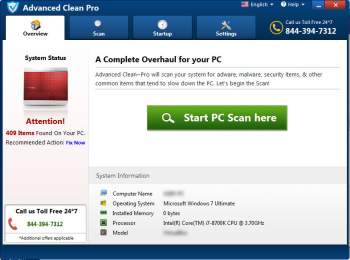
Remove the Advanced Clean Pro PUP
Filed Under: Adware -
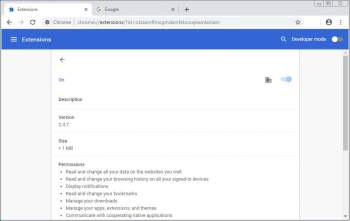
Remove the DownloadProtect Adware Extension
Filed Under: Adware -
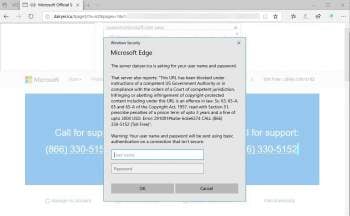
Remove the Blocked by US Government Authority Tech Support Scam
Filed Under: Adware -
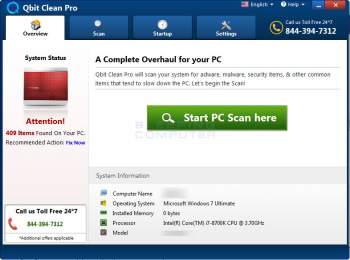
Remove the Qbit Clean Pro PUP
Filed Under: Adware -
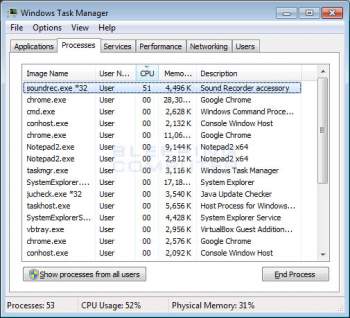
Remove the Soundrec.exe Miner Trojan
Filed Under: Adware