


Rabbi Zachary Truboff of Oheb Zedek-Cedar Sinai in Lyndhurst said although it can be challenging to decide what to post on social media, he sees it as a medium where a rabbi not only has to be active to stay relevant, but also can initiate sometimes difficult, timely dialogues.
“I know it is sort of strange to say that social media can start constructive conversations, but in some ways that’s a better space perhaps to engage certain things in life than in the synagogue,” Truboff said.
A survey conducted by the Cleveland Jewish News among local synagogue congregants showed 61 percent supported their rabbis’ social media use generally. While that support dropped to 46 percent when political issues were discussed, almost 25 percent also said their rabbis’ opinions have influenced their own – shedding some light that the matter is sensitive, yet ever-relevant.
Rabbi Stephen Weiss, senior rabbi at B’nai Jeshurun Congregation in Pepper Pike, and Truboff told the CJN about their somewhat complex social media habits, how far is too far in terms of politics and how the internet lets them reach people in new ways.
RABBI ZACHARY TRUBOFF
Truboff said he is most active on Facebook of the social media sites and blogs for the Times of Israel. While he said he avoids being overtly political at the pulpit, he finds social media is a more productive way to explore controversial issues.
One reason, he said, is while people at shul are stuck listening to whatever a rabbi decides to discuss, on social media people can choose whether to read opinions or articles posted.
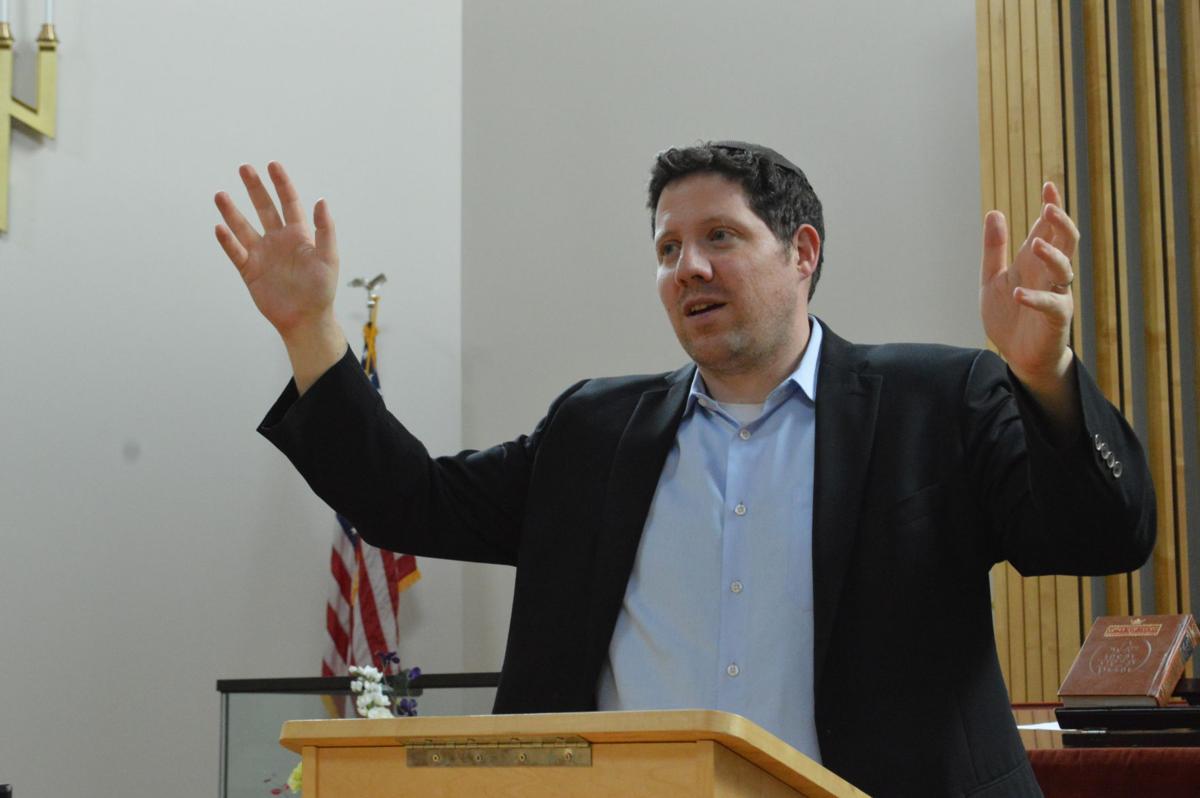
Truboff
“I feel we have to be communicating in a way that at least enables a way for people who disagree with us to want to engage us,” he said in an interview with the CJN, before the survey was distributed to congregants.
In deciding what to post, Truboff said he is “very careful” and believes everyone has a “limited political capital” for how often or how many issues on which they should express strong opinions.
For Truboff, one of those issues is abortion. Last December when a “heartbeat” abortion bill that would ban abortions around six weeks of pregnancy passed through the Ohio House and Senate (and was eventually vetoed by Gov. John R. Kasich), Truboff, among several local Jewish leaders and institutions, spoke out in the form of a post on the Times of Israel blog, which was linked on his Facebook page.
Truboff wrote about how the issue was personal to him, as well as focused on the halachic, or Jewish law, perspective.
“That’s another qualification I would add – when I’m really going to push something, (it’s) something that I have a personal connection or relevance to,” he said. “In the case of abortion, my wife and I had to grapple with it very seriously. And we were actually confronted with the already restrictive Ohio abortion laws, let alone what they were proposing to doing,” he said of a pregnancy with severe complications.
Truboff said in cases like that– where the personal as well as political informs views about an issue – it’s important for those affected to speak out and allow others to learn from their experiences.
Moreover making religious teachings relevant to daily life and current issues is part of his job, Truboff said. He said in a follow-up interview last week that lately he’s tried to use social media even more often to engage people of disparate beliefs.
“I still struggle with that fine line of being a person who is allowed to have their own opinions and feeling like I should be able to share those online, and I’m a public figure and being cautious about what I say and not saying things that are needlessly controversial,” he said. “It’s a line I don’t have a good answer for at this point.”
RABBI STEPHEN WEISS
When Weiss, during an interview last winter, relayed his online activity, which includes Facebook, Instagram, Twitter, LinkedIn and two Tumblr blogs (one on biking through a Jewish lens and one on Jewish spirituality), he acknowledges it sounds like a lot, however insists it doesn’t take up much time.
While he spends short increments of time looking for informative articles to post on his page, sometimes several times per day, he said it takes longer to keep up with the posts of others, including congregants announcing births, deaths and other major life events.
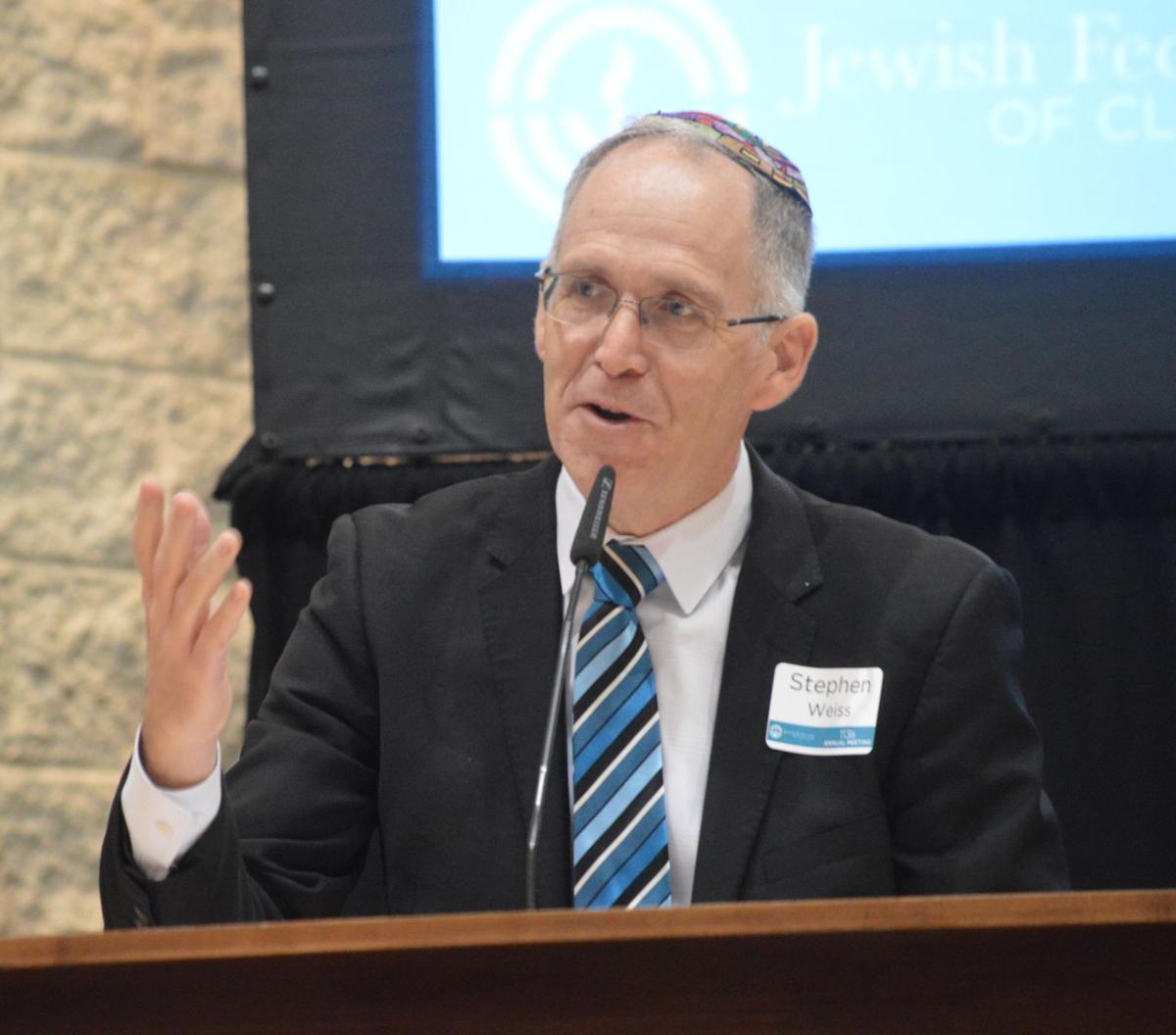
Weiss
“Sometimes you learn about those things on Facebook before anybody calls us,” he said.
Weiss said while he shares some information about his personal life and beliefs, social media is also useful for sharing sermons and religious teachings. He said he also likes sharing articles about things he thinks Jews should think about, even if they end up being controversial.
In terms of politics, Weiss draws the line at posting something that is “blatantly promoting a particular candidate” or critiquing or praising one when an election is upcoming. His focus is always on the issues, despite some looking at his page and making assumptions about such candidates based on the issues covered.
“We tend to respond to the emotional posts, not really getting the facts, so I like to post articles that present facts, articles that present different perspectives, just to get people to read them and to think and inform their decisions,” he said, adding he often posts articles without his own comments attached to them, so people can form their own opinions.
Weiss said he especially likes to post about Israel, including about the peace process, terrorism, archeology and pluralism there.

Source: CJN / Amanda Koehn
Survey takers indicated that rabbis speaking out about Israel issues was among the least contentious, especially compared to how they feel about rabbis speaking out about elections. While 80 percent of those surveyed said they supported rabbis speaking out about Israel and the Middle East (9 percent said they were not supportive), 43 percent said they supported rabbis discussing U.S. elections and politics (32 percent said they were not supportive).
However, Weiss said there is often colorful dialogue on the comments under his posts. He said while most people are respectful even when they disagree with his position on something, occasionally there will be a barrage of comments or things will get heated, as had happened more frequently during the 2016 election season. He said to mitigate this, he will sometimes post “rules” on his page about what he thinks is appropriate for commenting – which he said always get “a lot of ‘likes,’”
He said, though, when people do disagree, it often leads to “wonderful” discussions, sometimes in person.
“I want to be challenged to think also – there is nothing wrong with that,” he said.
Truboff and Weiss also said the internet and social media have replaced older forms of communication between rabbis and congregants, such as journals or newspapers, and thus can hold an important place in synagogue life. Moreover, when there is a death in the community, Weiss cited the way social media could let people both near and far memorialize the deceased and be comforted by others, including rabbis.
Weiss said he’s also met people around the world via Twitter and most prominently, developed a mentorship/friendship with an Indonesian boy who was once looking for Jewish connections. For years, the student has sent questions about Judaism and Israel to Weiss, which he has answered.
“It’s extraordinary to me what a vehicle it is for spreading Torah and for being a rabbinic presence beyond the walls of the synagogue and into the broader community,” Weiss said. “And that’s been very touching to me and very meaningful.”
NEXT WEEK: What rabbis think about congregants’ reactions to their social media use, and analysis of what works and what doesn’t.


