Interview
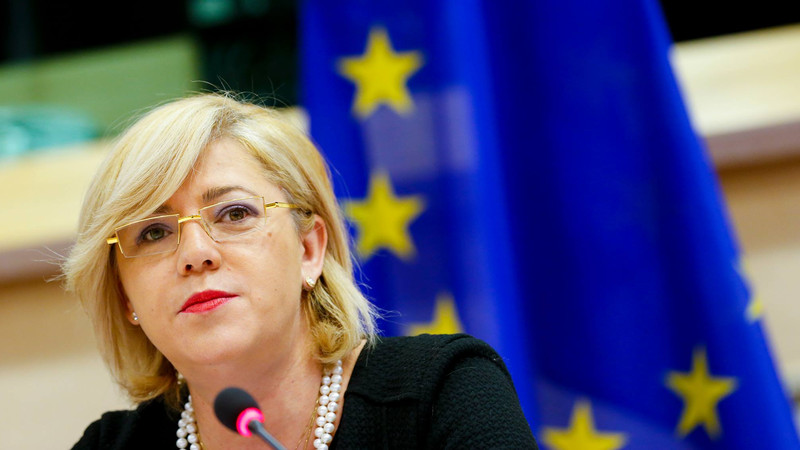
London Assembly chair hopes EU agencies can stay
The remaining 27 EU members have started a process to relocate the EU banking and medicines agencies. London's Jennette Arnold: 'I don’t want them to leave.'
Friday
25th Aug 2017
The remaining 27 EU members have started a process to relocate the EU banking and medicines agencies. London's Jennette Arnold: 'I don’t want them to leave.'
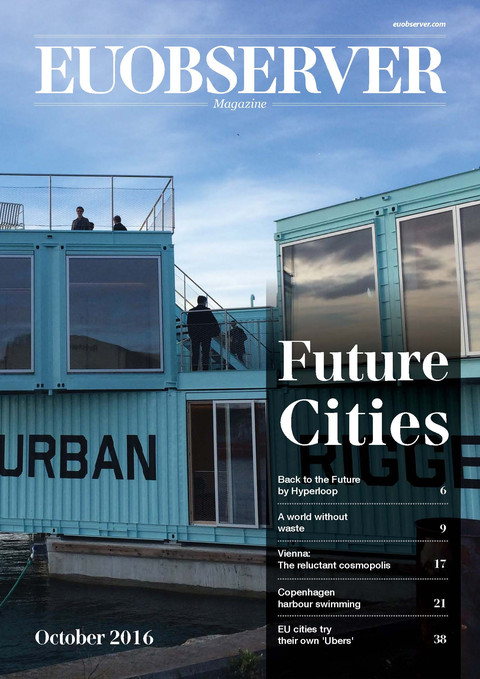
As leaders focus on strategic issues, the other EU, the EU of city-states, is evolving and shaping Europe's future from the bottom up.
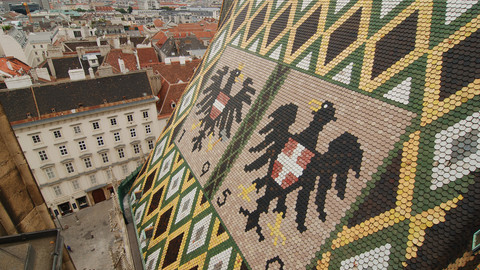
Vienna excels in quality of life surveys due to its local government, but Austria's capital may need to show more openness to foreign influences if its success is to endure.
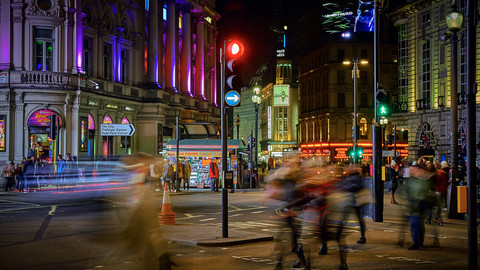
European town planners still borrow from the “garden city” ideals of the 19th century, but they might be doing more harm than good.
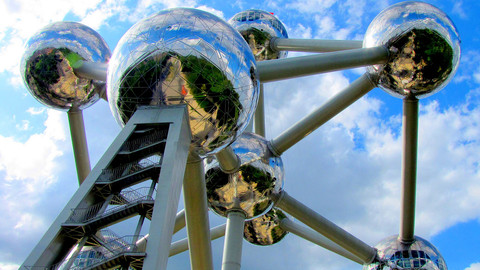
The EU capital has had an awful year. Looking forward, the city needs to urgently make itself a better place for people to live in and visit, starting with its notorious problems with congestion, pollution and bureaucracy.
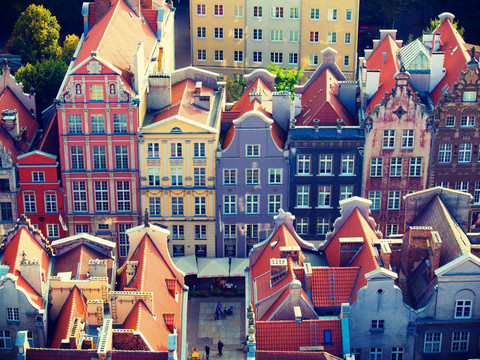
The Baltic port would like to become a city of solidarity with refugees. But its efforts are being blocked by ruling Law and Justice.
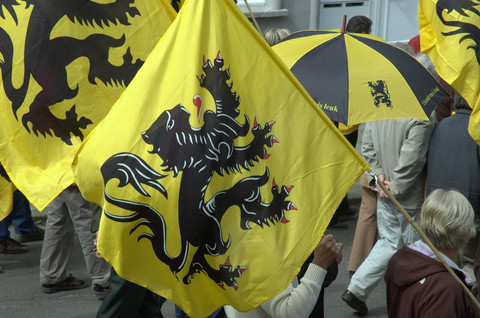
Ten years ago, French-speaking Belgians were shocked to see Flanders had seceded, only to find out later the TV programme was a hoax. That scenario is unlikely today, say Belgian separatists.
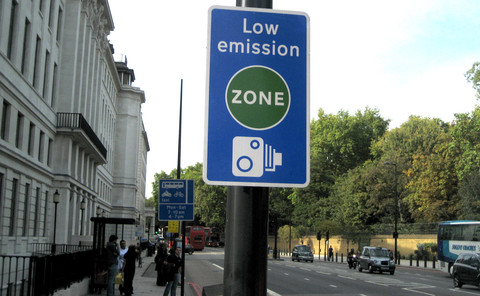
Many European cities use low emission zones, and some are considering to ban dirty cars. But there are limits to how well the EU standards can be used to determine which cars are clean.
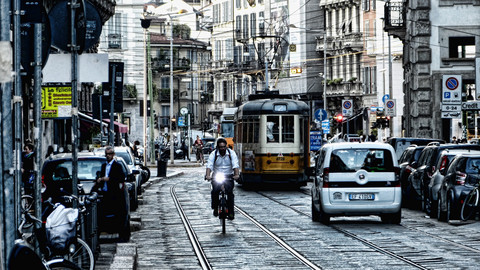
Mayors of EU cities don't want Brexit to ruin their relations and say they could play a role in bringing the EU closer to citizens, if only the institutions let them.
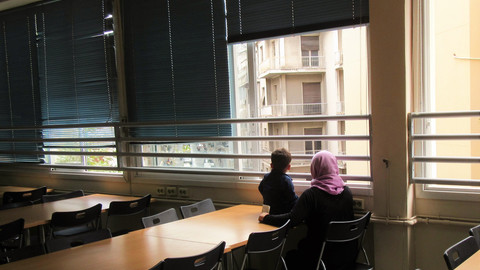
Cities are struggling to deal with the influx of refugees and asylum seekers, but EU funds go to national governments, and mayors complain they are getting no help.
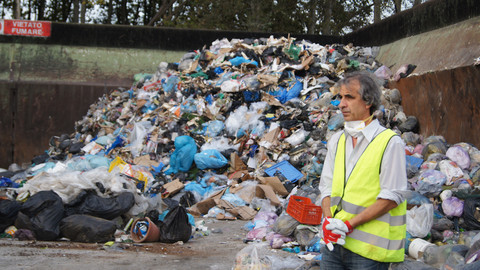
A garbage crisis in Naples, Italy, gave birth to the "zero waste" movement, but is the rest of Europe brave enough to change the way it thinks about trash?
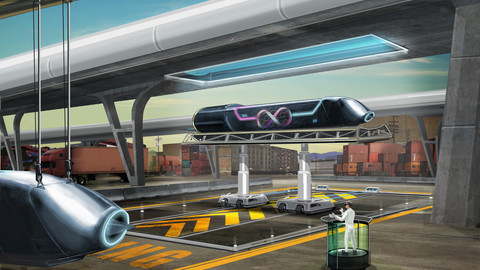
Cars that run on petrol or diesel are meant to be a rarity by the year 2050. Progress is slow. But some Nordic cities have radical visions of how a "Hyperloop" could change that.
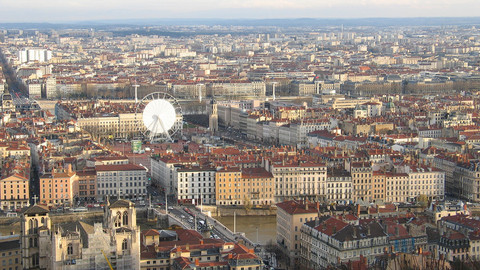
After centuries of development, the European model of cities is trying to put people first.
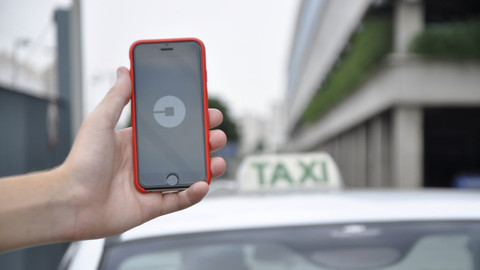
As some places struggle to deal with the impact of firms like Uber and Airbnb, other cities are embracing the change and seeking to learn.
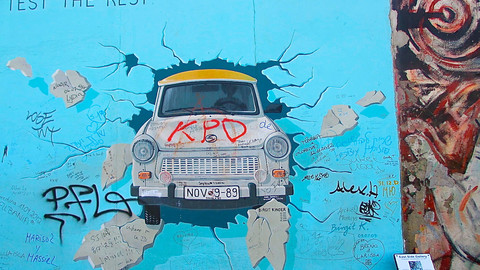
Some villages in the EU are bucking the trend by attracting young people. But unless there is outside funding and local action, Europe's countryside will be full of ghosts.
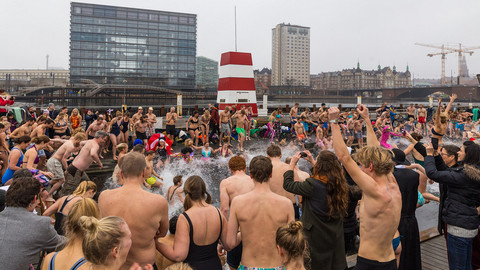
Copenhagen harbour, like many of its kind, used to stink of oil and garbage. Now, people swim in canals around the parliament, passing shoals of fish and jellyfish.
Students will soon be able to move into converted shipping containers in Gothenburg. Architects hope to spread their idea of cheap, waterside living across Europe.
The commission president said "every European village and every city" will have public internet access in 2020, but the statement was not backed up by any legally binding target.
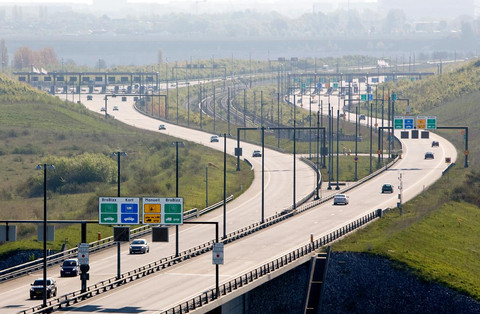
Number of people going by train between Denmark and Sweden dropped 12 percent since Sweden introduced anti-migrant ID controls. After 60 years of Nordic free travel, people hate the scheme.
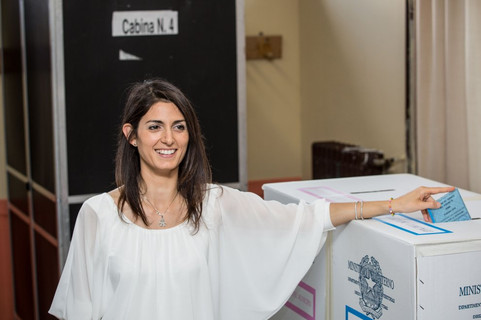
Virginia Raggi's rise to power indicates falling support for the PM, who vowed to resign if voters don't back his constitutional reform in a referendum in autumn.
Local government representatives from around Europe gathered in Barcelona to call for the EU to suspend free-trade negotiations.
Overwhelmed by refugees and let down by national governments, European cities had to step in. Now they want more funding and a seat at the table on migration policy.
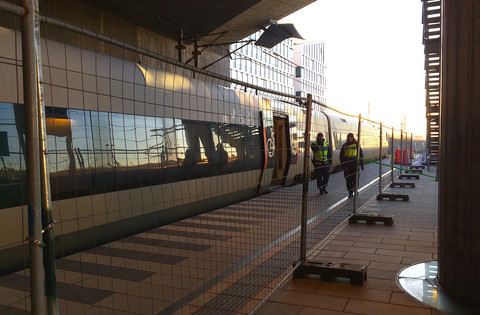
“May I see your ID?” - five little words on a train platform in Copenhagen on Monday mark the end of 60 years of Nordic free travel, as first Sweden, then Denmark impose new border checks amid the refugee crisis.
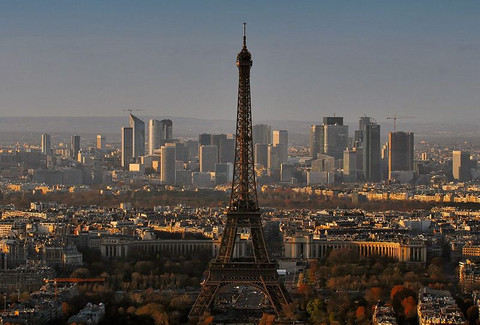
The French capital, host of climate talks four weeks from now, has set ambitious targets to reduce carbon emissions and energy consumption. But a multi-layered regional administration limits the impact of its actions.
Green algae feed on CO2 and convert it into protein. Researchers are testing their potential for industrial use, in a project funded by the EU.
Spanish government-led policies over the years have had a devastating effect on solar and renewable energies.
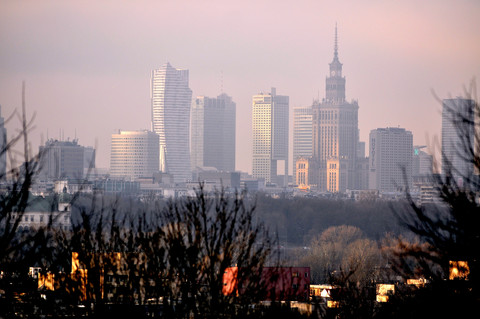
The coal-based energy sector provides a livelihood for hundred of thousands of people in Upper Silesia and has the potential to swing elections.
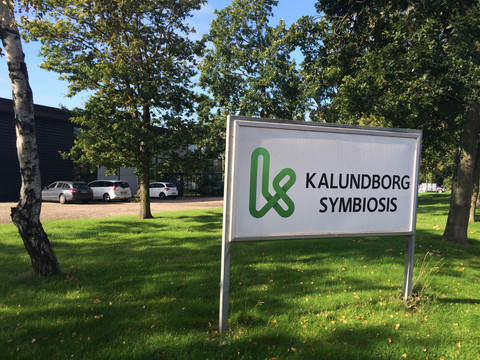
The issue of circular economy is back on the agenda in Brussels this week, but the world's first industrial symbiosis is over forty years old.
The fight against climate change will be won or lost in the cities where most Europeans live, work, and most of all, use the energy produced in Europe.
Free download of EUobserver's Regional Focus Magazine 2015 for subscribers.