
Magazine
The 'sharing economy' lacks a common definition
The sharing economy is a noticeable trend shaking up traditional sectors, but the phenomenon is ill-defined and empirical evidence about its impact is scarce.
Friday
25th Aug 2017
The sharing economy is a noticeable trend shaking up traditional sectors, but the phenomenon is ill-defined and empirical evidence about its impact is scarce.
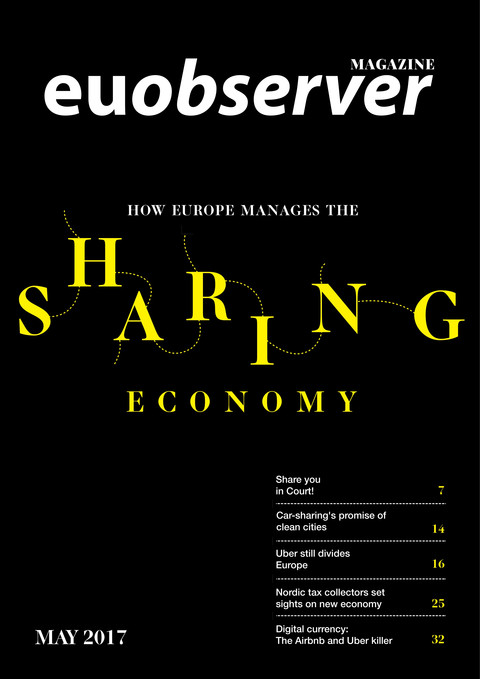
The 2017 edition of EUobserver's Business in Europe magazine takes a closer look at the sharing economy.

The sharing economy is set to grow a stunning 1200 percent in Finland, posing a challenge to tax systems in Nordic welfare states.
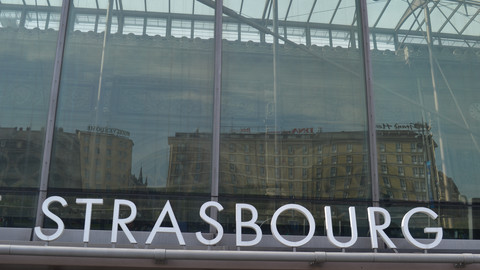
The accommodation platform has begun to cooperate with the French city because it saw negative side-effects were damaging its reputation, says Alain Fontanel, Strasboug's vice-mayor.

Regulatory systems were not ready for the sharing economy, and now the battle has moved from the streets to the halls of justice.

Multinational corporations can play an important role in creating a more inclusive society, through the workplace.

The European Collaborative Economy Forum, a trade association, has recently started doing advocacy work, while Uber increased its spending on EU lobbying significantly.

What if all cars in a city were replaced by a new form of public transport? A think tank modelled what would happen in Lisbon.
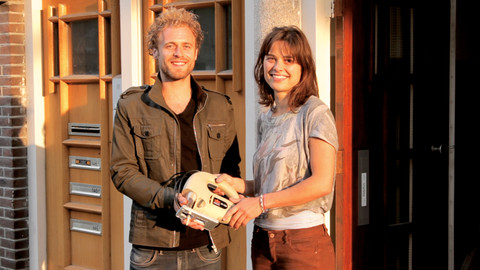
The sharing economy started out with a few people opening their homes, lending some tools, sharing cars - all for free. Monetising sharing practices has created a giant that some "original" sharers refuse to associate themselves with.
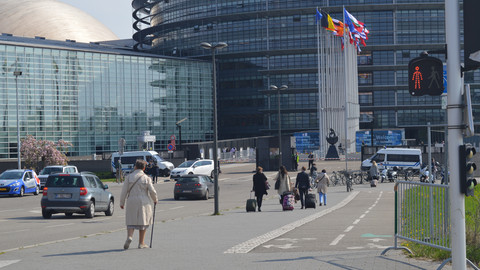
"When it's the week of the parliament, all the hotels are full," said Strasbourg's vice-mayor.

EU states seek new way of imposing same old tariffs to penalise Chinese dumping, despite a Sino-European alliance on free trade.

The digital currency Ethereum allows people to run so-called smart contracts, potentially creating a decentralised sharing economy, and could be the beginning of the end for firms like Uber and Airbnb.

The Court of Justice of the EU was asked to define Uber. The final ruling will likely have consequences for the whole sharing economy.

EU leaders said there would be almost a million ICT vacancies by 2015, and made digital skills a priority, but in reality the number of vacancies was much lower.
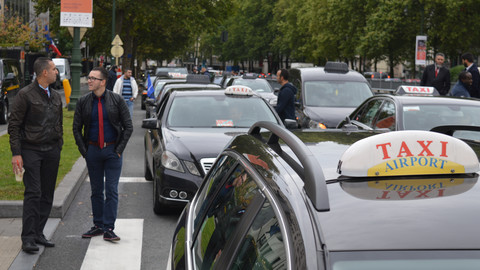
Uber says national regulations are often outdated, but taxi drivers still see the app as unfair competition.
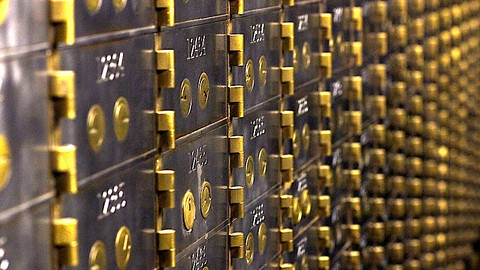
MEPs in the civil liberties and economic committees voted in favour of toughening up EU wide rules on tax evasion, as they gear up for institutional talks in March on the EU's anti-money laundering directive.
As cities line up to take over the European Medicines Agency some fear a kerfuffle that could destabilise the agency's work and slow down the pace of approving new medicines.
Waste collection and recycling is going to be ramped up, and that will translate into circular business opportunities.

Germany will benefit in the long term from accommodating and preparing refugees for the job market.
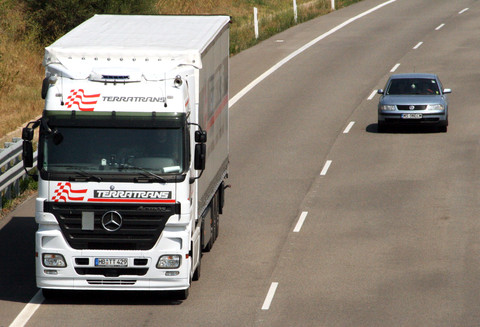
Systematic border controls would cost €53 to €130 for every European citizen, according to estimates, but the transport industry is already feeling the pain of border checks within the EU.
Number of people going by train between Denmark and Sweden dropped 12 percent since Sweden introduced anti-migrant ID controls. After 60 years of Nordic free travel, people hate the scheme.
Work is an engine for integration of refugees, but EU companies struggle with recognition of qualifications, language, culture and red tape.

Investing €1 in welcoming refugees could yield nearly €2 in economic benefits within five years, study shows.
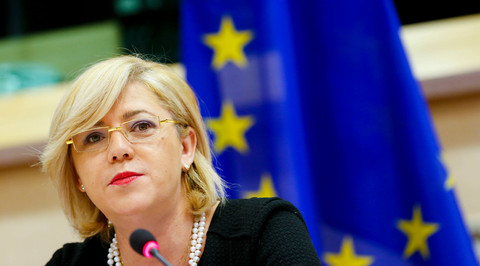
The arrival of more than 1 million refugees has posed a major challenge for cities. The Urban Agenda launched by regional policy commissioner Corina Cretu is an effort to deal with it.
Look at the main donors to the Remain and Leave campaigns and the first impression is of a David vs. Goliath contest.
While Europe is one singe market, America remains decentralised with different rules and standards, adding extra costs for European companies to enter the US market.

Tax breaks awarded to multinationals like Apple and Starbucks in Luxembourg allow their businesses to prosper, often at the expense of Europe's 23 million smaller firms.
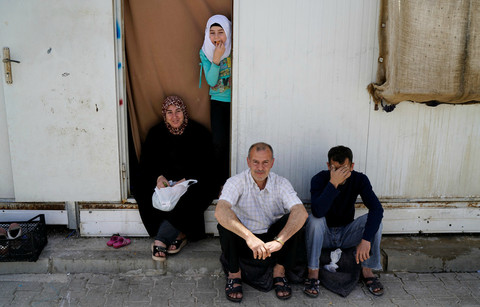
The European Commission proposes that governments and institutions help refugees, but a better solution would be to boost trade links with countries like Jordan.