<?xml version="1.0" encoding="utf-8" ?>
<rdf:RDF xmlns:rdf="http://www.w3.org/1999/02/22-rdf-syntax-ns#" xmlns:dc="http://purl.org/dc/elements/1.1/" xmlns:syn="http://purl.org/rss/1.0/modules/syndication/" xmlns="http://purl.org/rss/1.0/">


<channel rdf:about="http://www.fsf.org/news/aggregator/RSS">
  <title>FSF News</title>
  <link>http://www.fsf.org/news/aggregator</link>
  <description></description>
  <image rdf:resource="http://www.fsf.org/logo.png"/>

  <items>
    <rdf:Seq>
      
        <rdf:li rdf:resource="http://www.fsf.org/news/aclu-technology-for-liberty-director-kade-crockford-at-libreplanet-2017"/>
      
      
        <rdf:li rdf:resource="http://www.fsf.org/news/sumana-harihareswaras-keynote-will-close-libreplanet-2017"/>
      
      
        <rdf:li rdf:resource="http://www.fsf.org/news/fsf-announces-a-major-overhaul-of-free-software-high-priority-projects-list"/>
      
      
        <rdf:li rdf:resource="http://www.fsf.org/news/fsf-job-opportunity-senior-gnu-linux-systems-administrator"/>
      
      
        <rdf:li rdf:resource="http://www.fsf.org/news/libreplanet-2017-keynote-announcement-author-and-tech-activist-cory-doctorow"/>
      
      
        <rdf:li rdf:resource="http://www.fsf.org/news/libreplanet-2017-will-return-to-mit-thanks-to-sipb-march-25-26-2017"/>
      
      
        <rdf:li rdf:resource="http://www.fsf.org/news/fsf-announces-change-in-general-counsel"/>
      
      
        <rdf:li rdf:resource="http://www.fsf.org/news/the-free-software-foundation-seeks-nominations-for-the-19th-annual-free-software-awards"/>
      
      
        <rdf:li rdf:resource="http://www.fsf.org/news/libreplanet-returns-march-25-26-2017-call-for-proposals-for-annual-free-software-conference-now-open"/>
      
      
        <rdf:li rdf:resource="http://www.fsf.org/news/free-software-foundation-statement"/>
      
      
        <rdf:li rdf:resource="http://www.fsf.org/news/free-software-foundation-stresses-necessity-of-full-user-control-over-internet-connected-devices"/>
      
      
        <rdf:li rdf:resource="http://www.fsf.org/news/fsf-job-opportunity-copyright-and-licensing-associate"/>
      
      
        <rdf:li rdf:resource="http://www.fsf.org/news/fsf-job-opportunity-web-developer"/>
      
      
        <rdf:li rdf:resource="http://www.fsf.org/news/free-software-foundation-releases-fy2015-annual-report"/>
      
      
        <rdf:li rdf:resource="http://www.fsf.org/news/web-drm-standard-moves-to-next-phase-of-development-fsfs-defective-by-design-campaign-to-continue-opposition"/>
      
    </rdf:Seq>
  </items>

</channel>


  <item rdf:about="http://www.fsf.org/news/aclu-technology-for-liberty-director-kade-crockford-at-libreplanet-2017">
    <title>ACLU Massachusetts Technology for Liberty Director Kade Crockford at LibrePlanet 2017</title>
    <link>http://www.fsf.org/news/aclu-technology-for-liberty-director-kade-crockford-at-libreplanet-2017</link>
    <description>CAMBRIDGE, Massachusetts, USA — Monday, February 6, 2017 — The Free 
Software Foundation (FSF) announced today that
Kade Crockford of the American Civil Liberties Union of Massachusetts
will be a keynote speaker at LibrePlanet, the annual free software
conference, on Saturday, March 25th, 2017.</description>
    <content:encoded xmlns:content="http://purl.org/rss/1.0/modules/content/"><![CDATA[<p><a href="https://aclum.org/about/staff-advocates/kade-crockford/">Kade Crockford</a> is the Director of the <a href="https://aclum.org/our-work/projects/technology-for-liberty/">Technology for Liberty
Program</a> at the ACLU of Massachusetts. Kade works to protect and
expand core First and Fourth Amendment rights and civil liberties in
the digital 21st century, focusing on how systems of surveillance and
control impact not just society in general but their primary
targets — people of color, Muslims, immigrants, and dissidents.</p>
<p>The Information Age produces conditions facilitating mass
communication and democratization, as well as dystopian monitoring and
centralized control. The Technology for Liberty Program aims to use
the unprecedented access to information and communication to protect
and enrich open society and individual rights by implementing basic
reforms to ensure new tools do not create inescapable digital cages
limiting what people see, hear, think, and do. Towards that end, Kade
researches, strategizes, writes, lobbies, and educates the public on
issues ranging from the wars on drugs and terror to warrantless
electronic surveillance. Kade has written for <em>The Nation</em>, <em>The
Guardian</em>, <em>The Boston Globe</em>, <em>WBUR</em>, and many other publications,
and regularly appears in local, regional, and national media as an
expert on issues related to technology, policing, and surveillance.</p>
<table width="255" align="right" style="background-color: #EEEEEE; text-align: center; margin:10px; border: none !important;  padding: 0px;">
    <tbody>
        <tr>
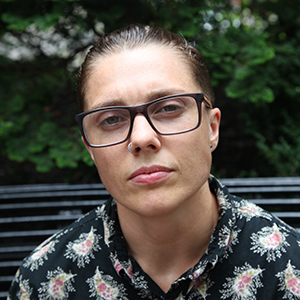
           <td style="border: none !important;"><img width="250" src="//static.fsf.org/libreplanet/2017/Kade_Crockford.jpg" alt="Kade Crockford of the
American Civil Liberties Union of Massachusetts." /></td>
        </tr>
        <tr>
            <td style=" text-align: center; line-height: 1em; padding: 4px; margin: 0px; border: none;">Kade Crockford of the American Civil Liberties Union of Massachusetts.</td>
        </tr>
    </tbody>
</table>

<p>"It's exactly right that LibrePlanet this year will open with a
discussion of technology and civil liberties led by an engaging expert
in the field. We're looking forward to hearing Kade talk about the
ACLU's work, how it relates to the free software movement's values,
and how people knowledgeable about free software can help others
protect their privacy and digital security." said John Sullivan,
executive director of the Free Software Foundation.</p>
<p>In 2015, <a href="https://www.youtube.com/watch?v=TTzhgZMNznk">Kade discussed terrorism and civil liberties with Noam
Chomsky</a> in a moderated discussion organized by The Baffler. You
can download and watch this video without proprietary JavaScript using
<a href="https://rg3.github.io/youtube-dl/">youtube-dl</a>. Already familiar to the free software community, Kade
previously spoke at LibrePlanet 2014, delivering a talk titled "The
Creeping Techno-surveillance State: How Can We Fight Back?" with Josh
Levy of <a href="https://www.freepress.net/">Free Press</a>.</p>
<p>At LibrePlanet 2017, Kade will discuss how technologists can enlist in
the growing fight for civil liberties.</p>
<h2>About LibrePlanet</h2>
<p><a href="https://libreplanet.org/2017">LibrePlanet</a> is the annual conference of the Free Software
Foundation. Begun as a modest gathering of FSF members, the conference
now is a large, vibrant gathering of free software enthusiasts,
welcoming anyone interested in software freedom and digital rights.
<a href="https://my.fsf.org/civicrm/event/register?reset=1&amp;id=47">Registration is now open</a>, and admission is gratis for FSF members
and students.</p>
<p>For the fourth year in a row, LibrePlanet will be held at the
Massachusetts Institute of Technology's (MIT) Stata Center in
Cambridge, Massachusetts, on March 25th and 26th, 2017. Co-presented
by the Free Software Foundation and MIT's Student Information
Processing Board (SIPB), the rest of the LibrePlanet program will be
announced soon. The opening keynote at LibrePlanet 2016 was a
conversation between US National Security Agency whistle-blower Edward
Snowden and the American Civil Liberties Union's Daniel Kahn Gillmor.</p>
<h2>About the Free Software Foundation</h2>
<p>The <a href="https://fsf.org">Free Software Foundation</a>, founded in 1985, is dedicated to
promoting computer users' right to use, study, copy, modify, and
redistribute computer programs. The FSF promotes the development and
use of free (as in freedom) software — particularly the GNU operating
system and its GNU/Linux variants — and free documentation for free
software. The FSF also helps to spread awareness of the ethical and
political issues of freedom in the use of software, and its Web sites,
located at fsf.org and gnu.org, are an important source of information
about GNU/Linux. Donations to support the FSF's work can be made at
<a href="https://donate.fsf.org">https://donate.fsf.org</a>. Its headquarters are in Boston, MA, USA.</p>
<p>More information about the FSF, as well as important information for
journalists and publishers, is at <a href="https://www.fsf.org/press">https://www.fsf.org/press</a>.</p>
<h2>Media Contact</h2>
<p>Georgia Young
Program Manager
Free Software Foundation
+1 (617) 542 5942
<a href="mailto:campaigns@fsf.org">&#99;&#97;&#109;&#112;&#97;&#105;&#103;&#110;&#115;&#64;&#102;&#115;&#102;&#46;&#111;&#114;&#103;</a></p>
<p>Photo of Kade Crockford by the ACLU of Massachusetts is licensed
under a <a href="https://creativecommons.org/licenses/by/4.0/">Creative Commons Attribution 4.0 International License,
CC BY</a>.</p>]]></content:encoded>
    <dc:publisher>No publisher</dc:publisher>
    <dc:creator></dc:creator>
    <dc:rights></dc:rights>
    <dc:date>2017-02-06T21:34:47Z</dc:date>
    <dc:type>News Item</dc:type>
  </item>


  <item rdf:about="http://www.fsf.org/news/sumana-harihareswaras-keynote-will-close-libreplanet-2017">
    <title>Sumana Harihareswara's keynote will close LibrePlanet 2017</title>
    <link>http://www.fsf.org/news/sumana-harihareswaras-keynote-will-close-libreplanet-2017</link>
    <description>CAMBRIDGE, Massachusetts, USA — Wednesday, January 25, 2017 — The
Free Software Foundation (FSF) announced today that Sumana
Harihareswara will be a keynote speaker at LibrePlanet, the
annual free software conference, on Sunday, March 26th, 2017.</description>
    <content:encoded xmlns:content="http://purl.org/rss/1.0/modules/content/"><![CDATA[<p>The <a href="https://libreplanet.org/2017">annual free software conference</a> will close on the evening of
March 26th with Harihareswara discussing her experiences within
free software and the things she has learned over the years, in a
talk tentatively titled "Lessons, Myths, and Lenses: What I Wish
I'd Known in 1998."</p>
<table width="255" align="right" style="background-color: #EEEEEE; text-align: center; margin:10px; border: none !important;  padding: 0px;">
    <tbody>
        <tr>
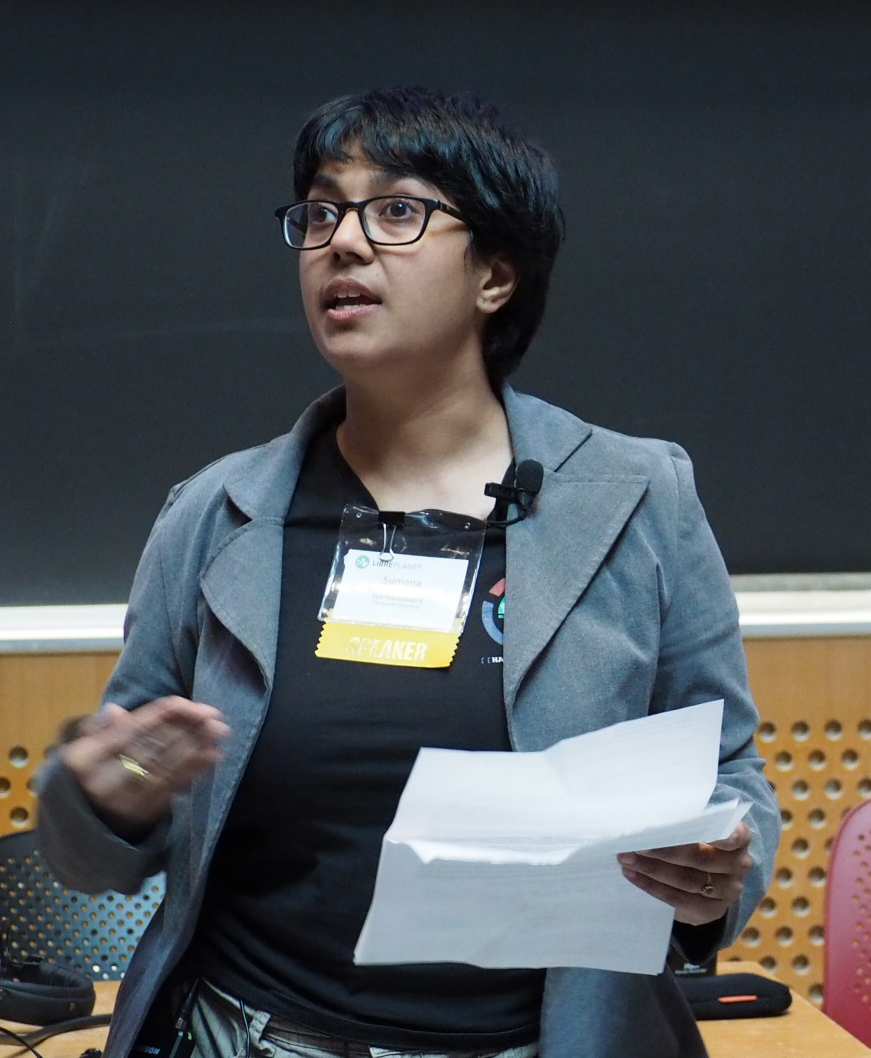
            <td style="border: none !important;"><img width="250" src="//static.fsf.org/libreplanet/2017/sumana_photo.png " alt="Photo of Sumana Harihareswara speaking at LibrePlanet
2016. She is in front of a black board at the front of a lecture
hall, gesturing as she speaks." /></td>
        </tr>
        <tr>
            <td style=" text-align: center; line-height: 1em; padding: 4px; margin: 0px; border: none;">Photo of Sumana Harihareswara speaking at LibrePlanet
2016.</td>
        </tr>
    </tbody>
</table>

<p>"Sumana's talk at LibrePlanet 2016 dealt with ways to make the
free software community more welcoming, with humor, sharp
insights, and deep conviction," said the FSF's Program Manager,
Georgia Young. "We are very pleased to have her generous,
thoughtful voice bring this year's conference to a close."</p>
<p>Sumana Harihareswara first started using GNU/Linux in the late
1990s. Since then, she has contributed to a number of
projects (including GNOME, MediaWiki, Zulip, and GNU Mailman),
and become a leader, speaker, and advocate for free software and
communities. From 2014-2015, she served as a member of the Ada
Initiative Board of Directors. Within the software industry, she
has been a community manager, writer, and project manager,
working with Collabora, GNOME, QuestionCopyright.org, Fog Creek
Software, Behavior, and Salon.com.</p>
<p>Harihareswara is a veteran speaker, having delivered keynotes at
Open Source Bridge, code4lib, and Wiki Conference USA. She has
spoken at numerous conferences on a variety of topics, including
PyCon and LibrePlanet, where, in 2016, she talked about the
inessential weirdness in free software. Her stand-up comedy has
been seen at AlterConf and science fiction conventions across
America.</p>
<p>As a writer, her work appears on the website of her consultancy,
<a href="https://changeset.nyc/resources.html">Changeset Consulting</a>, as well as her <a href="https://www.harihareswara.net/ces.shtml">personal blog</a>. She
has written for numerous publications, including Crooked Timber,
Geek Feminism, GNOME Journal, Linux World News, Model View
Culture, Linux World News, GNOME Journal, The Recompiler, and
Tor.com. In 2009, she co-edited and co-published the Thoughtcrime
Experiments anthology with her spouse, who she met through
Slashdot.</p>
<p>Harihareswara delivered a talk entitled "<a href="https://www.youtube.com/watch?v=HsLrXt2l-kg">HTTP Can Do That?!</a>"
at PyCon2016 (you can download and watch this video without proprietary JavaScript using <a href="https://rg3.github.io/youtube-dl/">youtube-dl</a>). At LibrePlanet 2016, she spoke
on "<a href="https://media.libreplanet.org/u/libreplanet/m/inessential-weirdnesses-in-free-software/">The Inessential Weirdness in Free Software</a>."</p>
<h2>About LibrePlanet</h2>
<p><a href="https://libreplanet.org/2017">LibrePlanet</a> is the annual conference of the Free Software
Foundation. Begun as a modest gathering of FSF members, the
conference now is a large, vibrant gathering of free software
enthusiasts, welcoming anyone interested in software freedom and
digital rights. <a href="https://my.fsf.org/civicrm/event/register?reset=1&amp;id=47">Registration is now open</a>, and admission is
gratis for FSF members and students.</p>
<p>For the fourth year in a row, LibrePlanet will be held at the
Massachusetts Institute of Technology's (MIT) Stata Center in
Cambridge, Massachusetts, on March 25th and 26th,
2017. Co-presented by the Free Software Foundation and MIT's
Student Information Processing Board (SIPB), the rest of the
LibrePlanet program will be announced soon. The opening keynote
at LibrePlanet 2016 was a conversation between US National
Security Agency whistle-blower Edward Snowden and the American
Civil Liberties Union's Daniel Kahn Gillmor.</p>
<h2>About the Free Software Foundation</h2>
<p>The <a href="https://fsf.org">Free Software Foundation</a>, founded in 1985, is dedicated
to promoting computer users' right to use, study, copy, modify,
and redistribute computer programs. The FSF promotes the
development and use of free (as in freedom) software —
particularly the GNU operating system and its GNU/Linux variants
— and free documentation for free software. The FSF also helps to
spread awareness of the ethical and political issues of freedom
in the use of software, and its Web sites, located at fsf.org and
gnu.org, are an important source of information about
GNU/Linux. Donations to support the FSF's work can be made at
<a href="https://donate.fsf.org">https://donate.fsf.org</a>. Its headquarters are in Boston, MA, USA.</p>
<p>More information about the FSF, as well as important information
for journalists and publishers, is at <a href="https://www.fsf.org/press">https://www.fsf.org/press</a>.</p>
<h2>Media Contact</h2>
<p>Georgia Young<br />
Program Manager<br />
Free Software Foundation<br />
+1 (617) 542 5942<br />
<a href="mailto:campaigns@fsf.org">&#99;&#97;&#109;&#112;&#97;&#105;&#103;&#110;&#115;&#64;&#102;&#115;&#102;&#46;&#111;&#114;&#103;</a><br />
</p>
<p><em>The photo by Parker Higgins is licensed under a <a href="http://creativecommons.org/licenses/by/4.0/">Creative Commons Attribution 4.0 International License, CC BY</a>.</em></p>]]></content:encoded>
    <dc:publisher>No publisher</dc:publisher>
    <dc:creator></dc:creator>
    <dc:rights></dc:rights>
    <dc:date>2017-01-25T22:20:00Z</dc:date>
    <dc:type>News Item</dc:type>
  </item>


  <item rdf:about="http://www.fsf.org/news/fsf-announces-a-major-overhaul-of-free-software-high-priority-projects-list">
    <title>FSF announces a major overhaul of free software High Priority Projects List</title>
    <link>http://www.fsf.org/news/fsf-announces-a-major-overhaul-of-free-software-high-priority-projects-list</link>
    <description>Boston, Massachusetts, USA – Tuesday, January 17, 2017 – The
Free Software Foundation (FSF) today announced a major update to
its High Priority Free Software Projects (HPP) list.</description>
    <content:encoded xmlns:content="http://purl.org/rss/1.0/modules/content/"><![CDATA[<p>The HPP list highlights projects of great strategic importance to
the goal of freedom for all computer users. A committee of free
software activists, <a href="https://www.fsf.org/news/fsf-commences-review-of-high-priority-free-software-projects-list-your-input-is-needed">assembled in 2014</a>, spent a year
soliciting feedback from the free software community for the
latest revision of the <a href="https://www.fsf.org/campaigns/priority-projects/">list</a>.</p>
<p>"As the technological landscape has shifted over the last decade
since the first version of the list was published, threats to
users' freedom to use their computers on their own terms have
changed enormously," said Benjamin Mako Hill, who is part of the
High Priority Projects committee and also a member of the FSF's
board of directors. "The updated High Priority Projects list is a
description of the most important threats, and most critical
opportunities, that free software faces in the modern computing
landscape."</p>
<p>Launched in 2005, the <a href="https://web.archive.org/web/20050525233616/http://www.fsf.org/campaigns/priority.html">first version</a> of the HPP list
contained only four projects, three of them related to
<a href="https://www.gnu.org/philosophy/java-trap.html">Java</a>. Eighteen months later, Sun began to <a href="https://www.fsf.org/news/fsf-welcomes-gpl-java.html">free Java
users</a>.</p>
<p>While the FSF does not ask to run or control projects on the HPP
list, it uses its position and visibility in the community to
help bring them beneficial help and attention, including directly
supporting development for some.</p>
<p>"We've seen the High Priority Projects List guide contributors and
funding to important free software projects," said FSF executive
director John Sullivan. "We are committed to making the list more
active than it has been in the past, by drawing on the immense
expertise in the free software community. I hope others will
support us, both financially and with their input, so that this
can become a sort of annual strategic plan for advancing computer
user freedom."</p>
<p>The latest revision of the list includes nine project areas,
encompassing software projects, advancements in free
software-compatible hardware, and efforts to expand and deepen
the inclusivity of the free software community. Also, there is
now a <a href="https://www.fsf.org/campaigns/priority-projects/changelog">changelog</a> to document revisions to the list. The
committee published a <a href="https://www.fsf.org/blogs/community/a-preliminary-analysis-of-high-priority-projects-feedback">full explanation of its work</a> in March,
and several members of the committee <a href="https://media.libreplanet.org/u/libreplanet/m/the-state-of-free-revising-the-high-priority-projects-list/">shared its findings</a> at
last year's <a href="https://libreplanet.org/2016/">LibrePlanet conference</a>.</p>
<p>The committee includes <a href="http://adaptstudio.ca/">ginger coons</a>, <a href="http://blog.linuxgrrl.com/">Máirín Duffy</a>,
<a href="https://mjg59.dreamwidth.org/">Matthew Garrett</a>, <a href="https://mako.cc/">Benjamin Mako Hill</a>, <a href="http://gondwanaland.com/mlog/">Mike
Linksvayer</a>, <a href="http://lydiapintscher.de/">Lydia Pintscher</a>, <a href="http://gnomg.org">Karen Sandler</a>,
<a href="http://www.loyalty.org/~schoen/">Seth Schoen</a>, and <a href="https://upsilon.cc/~zack">Stefano Zacchiroli</a>. Feedback on the
HPP list, including suggestions for future revisions, is welcome
at <a href="mailto:hpp-feedback@gnu.org">&#104;&#112;&#112;&#45;&#102;&#101;&#101;&#100;&#98;&#97;&#99;&#107;&#64;&#103;&#110;&#117;&#46;&#111;&#114;&#103;</a>.</p>
<h3>About the Free Software Foundation</h3>
<p>The Free Software Foundation, founded in 1985, is dedicated to
promoting computer users' right to use, study, copy, modify, and
redistribute computer programs. The FSF promotes the development
and use of free (as in freedom) software – particularly the GNU
operating system and its GNU/Linux variants – and free
documentation for free software. The FSF also helps to spread
awareness of the ethical and political issues of freedom in the
use of software, and its Web sites, located at fsf.org and
gnu.org, are an important source of information about
GNU/Linux. Donations to support the FSF's work can be made at
<a href="https://my.fsf.org/donate">https://my.fsf.org/donate</a>. Its headquarters are in Boston, MA,
USA.</p>
<p>More information about the FSF, as well as important information
for journalists and publishers, is at
<a href="https://www.fsf.org/press">https://www.fsf.org/press</a>.</p>
<h2>Media Contacts</h2>
<p>Georgia Young<br />
Program Manager<br />
Free Software Foundation<br />
+1 (617) 542 5942<br />
<a href="mailto:campaigns@fsf.org">&#99;&#97;&#109;&#112;&#97;&#105;&#103;&#110;&#115;&#64;&#102;&#115;&#102;&#46;&#111;&#114;&#103;</a> </p>]]></content:encoded>
    <dc:publisher>No publisher</dc:publisher>
    <dc:creator></dc:creator>
    <dc:rights></dc:rights>
    <dc:date>2017-01-17T15:18:44Z</dc:date>
    <dc:type>News Item</dc:type>
  </item>


  <item rdf:about="http://www.fsf.org/news/fsf-job-opportunity-senior-gnu-linux-systems-administrator">
    <title>FSF Job Opportunity: Senior GNU/Linux Systems Administrator</title>
    <link>http://www.fsf.org/news/fsf-job-opportunity-senior-gnu-linux-systems-administrator</link>
    <description>The Free Software Foundation (FSF), a Massachusetts 501(c)(3) charity
with a worldwide mission to protect computer user freedom, seeks a
motivated and talented Boston-based individual to be a full-time
Senior GNU/Linux Systems Administrator.</description>
    <content:encoded xmlns:content="http://purl.org/rss/1.0/modules/content/"><![CDATA[<p>This position, reporting to the executive director and working closely
with the president, is an opportunity to make key contributions to the
organization that started the GNU Project, launched the free software
movement, and authored the GNU General Public License. The position is
part of a technical team including a counterpart Senior Systems
Administrator, a Web Developer, and many volunteers, tasked with
maintaining and improving the FSF's technology infrastructure.</p>
<p>The ideal candidate will be a well-rounded GNU/Linux systems
administrator who thrives on constant broad-based learning and
problem-solving. They will also be familiar with the free software
community and how it works; the position includes frequent contact and
collaboration with volunteers and many GNU developers. Together, the
Senior Systems Administrators have a great deal of influence over
technology decisions within the FSF, and do crucial work empowering
thousands of others to develop free software.</p>
<p>Examples of job responsibilities include, but are not limited to:</p>
<ul>
<li>
<p>be a lead voice in the FSF's software system decision-making and
    policy positions in technical areas;</p>
</li>
<li>
<p>install and maintain fully free GNU/Linux systems on servers,
    desktops, laptops, and embedded devices;</p>
</li>
<li>
<p>support GNU developers and FSF representatives in their use of
    FSF-owned systems;</p>
</li>
<li>
<p>monitor and improve system security and network infrastructure;</p>
</li>
<li>
<p>spec, purchase, and maintain new equipment;</p>
</li>
<li>
<p>coordinate and mentor interns and volunteer systems administrators
    both in the office and remotely;</p>
</li>
<li>
<p>share in the on-call rotation to deal with core system emergencies;</p>
</li>
<li>
<p>blog and speak about the technologies used at the FSF;</p>
</li>
<li>
<p>run the tech at our annual LibrePlanet conference;</p>
</li>
<li>
<p>pitch in to help with organization-wide projects like our major
    fundraising activities;</p>
</li>
<li>
<p>fix bugs and submit patches upstream for the software we use, and</p>
</li>
<li>
<p>occasionally help design, write, and release new software when
    existing software doesn't fit the bill.</p>
</li>
</ul>
<p>Applicants should have an undergraduate degree in a related field, at
least five years of experience as a GNU/Linux systems administrator,
and highlight their familiarity with any of the following:</p>
<ul>
<li>
<p>apt-based GNU/Linux distributions;</p>
</li>
<li>
<p>TCP/IP, BGP, DNS, FTP, NFS, DHCP, iptables;</p>
</li>
<li>
<p>Libreboot and Coreboot;</p>
</li>
<li>
<p>Xen, KVM, CFEngine, RAID;</p>
</li>
<li>
<p>Drupal, Nginx, Apache2, CiviCRM, Plone, Zope, Mediawiki, Ikiwiki,
    Request Tracker, CAS, SQL, Squid;</p>
</li>
<li>
<p>Python, Bash, Perl, PHP, JavaScript, Ruby;</p>
</li>
<li>
<p>git, SVN, CVS;</p>
</li>
<li>
<p>Exim, Spamassassin, GNU Mailman; and</p>
</li>
<li>
<p>any physical hardware maintenance and hacking.</p>
</li>
</ul>
<p>Because the FSF works globally and seeks to have our materials
distributed in as many languages as possible, multilingual candidates
will have an advantage. With our small staff of thirteen, each person
makes a clear contribution. We work hard, but offer a humane and fun
work environment at an office located in the heart of downtown Boston.
The FSF is a mature but growing organization that provides great
potential for advancement; existing staff get the first chance at any
new job openings.</p>
<h2>Benefits and Salary</h2>
<p>This job is a union position that must be worked on-site at the FSF's
downtown Boston office. The salary is fixed at $62,587/year and is
non-negotiable. An on-site interview will be required with the
executive director and other team members. Other benefits include:</p>
<ul>
<li>full family health coverage through Blue Cross/Blue Shield's HMO Blue program,</li>
<li>subsidized dental plan,</li>
<li>four weeks of paid vacation annually,</li>
<li>seventeen paid holidays annually,</li>
<li>public transit commuting cost reimbursement,</li>
<li>403(b) program through TIAA-CREF,</li>
<li>yearly cost-of-living pay increases (based on government guidelines), and</li>
<li>conference travel opportunities.</li>
</ul>
<h2>Application Instructions</h2>
<p>Applications must be submitted via email to <a href="mailto:hiring@fsf.org">&#104;&#105;&#114;&#105;&#110;&#103;&#64;&#102;&#115;&#102;&#46;&#111;&#114;&#103;</a>. The
email must contain the subject line "Senior Systems Administrator." A
complete application should include:</p>
<ul>
<li>cover letter,</li>
<li>resume, and</li>
<li>links to any published free software work.</li>
</ul>
<p>All materials must be in a free format. Email submissions that do not
follow these instructions will probably be overlooked. No phone calls,
please.</p>
<p><strong>Applications will be reviewed on a rolling basis until the position is
filled. To guarantee consideration, submit your application by Sunday,
February 12, 2017.</strong></p>
<p>The FSF is an equal opportunity employer and will not discriminate
against any employee or application for employment on the basis of
race, color, marital status, religion, age, sex, sexual orientation,
national origin, handicap, or any other legally protected status
recognized by federal, state or local law. We value diversity in our
workplace.</p>
<h3>About the Free Software Foundation</h3>
<p>The Free Software Foundation, founded in 1985, is dedicated to
promoting computer users' right to use, study, copy, modify, and
redistribute computer programs. The FSF promotes the development and
use of free (as in freedom) software -- particularly the GNU operating
system and its GNU/Linux variants -- and free documentation for free
software. The FSF also helps to spread awareness of the ethical and
political issues of freedom in the use of software, and its Web sites,
located at fsf.org and gnu.org, are an important source of information
about GNU/Linux. Donations to support the FSF's work can be made at
<a href="https://donate.fsf.org">https://donate.fsf.org</a>. We are based in Boston, MA, USA.</p>
<p>More information about the FSF, as well as important information for
journalists and publishers, is at <a href="https://www.fsf.org/press">https://www.fsf.org/press</a>.</p>
<link rel="stylesheet" type="text/css" property="stylesheet" href="//static.fsf.org/nosvn/plone3/css/hide-date.css" />]]></content:encoded>
    <dc:publisher>No publisher</dc:publisher>
    <dc:creator></dc:creator>
    <dc:rights></dc:rights>
    <dc:date>2017-01-12T14:00:00Z</dc:date>
    <dc:type>News Item</dc:type>
  </item>


  <item rdf:about="http://www.fsf.org/news/libreplanet-2017-keynote-announcement-author-and-tech-activist-cory-doctorow">
    <title>LibrePlanet 2017 keynote announcement: Author and tech activist Cory Doctorow</title>
    <link>http://www.fsf.org/news/libreplanet-2017-keynote-announcement-author-and-tech-activist-cory-doctorow</link>
    <description>BOSTON, Massachusetts, USA — Thursday, December 22, 2016 — The
Free Software Foundation (FSF) today announced that Cory
Doctorow will be a keynote speaker at LibrePlanet, the annual
free software conference, on Sunday, March 26th, 2017.</description>
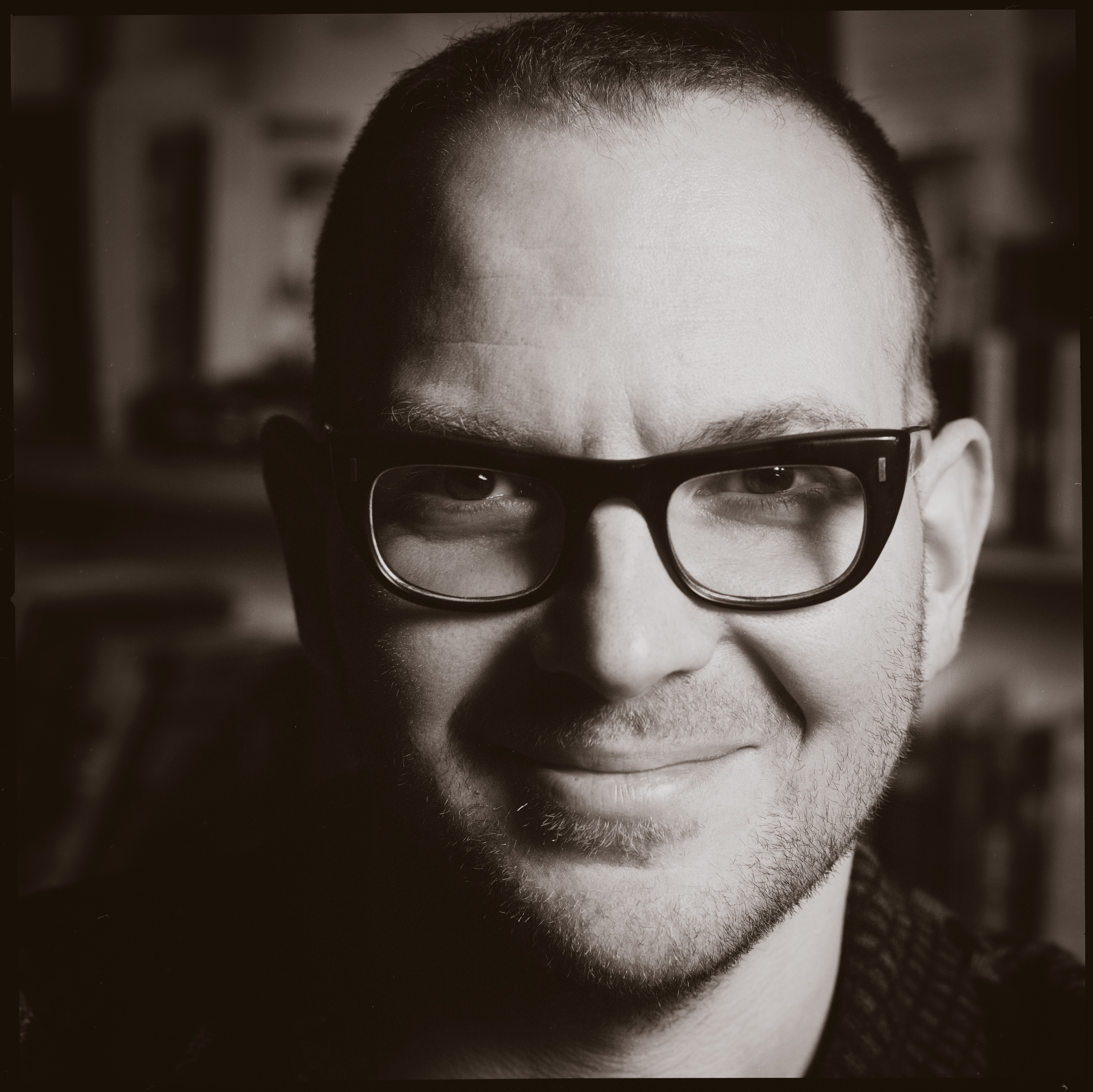
    <content:encoded xmlns:content="http://purl.org/rss/1.0/modules/content/"><![CDATA[<p><img src="https://farm9.staticflickr.com/8366/8537324028_666427ea9f_o.jpg" style="float: right; width: 250px; margin: 0px 0px 5px 5px; background-color: #eeeeee; border-radius: 3px; -webkit-border-radius: 3px; -moz-border-radius: 3px; padding: 7px;" alt="Photo of Cory Doctorow" /></img></td></tr></p>
<p><a href="https://www.craphound.com">Doctorow</a> is a science fiction author, activist, journalist and
blogger — the co-editor of <a href="http://www.boingboing.net">Boing Boing</a> and the author of many
books, most recently <em>In Real Life</em>, a graphic novel; <em>Information
Doesn't Want to be Free</em>, a book about earning a living in the
Internet age; and <em>Homeland</em>, the award-winning, best-selling sequel
to the 2008 young adult novel <em>Little Brother</em>.</p>
<p>His award-winning science fiction tackles issues relevant to
software and user freedom, turning the theoretical risks of
proprietary technology and copyright, ethical dilemmas of
technology, and experiments in participatory culture into stories of
very possible futures. </p>
<p>Serving as a special consultant to the Electronic Frontier
Foundation on several occasions, he is currently working with them
on Apollo 1201, an anti-Digital Restrictions Management (DRM)
campaign. He co-founded the peer-to-peer free software company
OpenCola, and serves on the boards and advisory boards of the
Participatory Culture Foundation, the Clarion Foundation, the
Metabrainz Foundation and The Glenn Gould Foundation.</p>
<p>Doctorow recently delivered a talk titled <a href="https://craphound.com/news/2016/12/01/my-keynote-from-the-oreilly-security-conference-security-and-feudalism-own-or-be-pwned/">“Security and Feudalism:
Own or Be Pwned”</a> at the O’Reilly Security Conference in New
York. At LibrePlanet, he will be speaking on "how we will kill all
the DRM in the world in a decade."</p>
<p><em>Text adapted from <a href="https://craphound.com/bio/">https://craphound.com/bio/</a>.</em></p>
<h2>About LibrePlanet</h2>
<p>LibrePlanet is the annual conference of the Free Software
Foundation. Begun as a modest gathering of FSF members, the
conference now is a large, vibrant gathering of free software
enthusiasts, welcoming anyone interested in software freedom and
digital rights. <a href="https://my.fsf.org/civicrm/event/register?reset=1&amp;id=47">Registration is now open</a>, and admission is
gratis for <a href="https://my.fsf.org/join">FSF members</a> and students.</p>
<p>For the fourth year in a row, LibrePlanet will be held at the
Massachusetts Institute of Technology's (MIT) Stata Center in
Cambridge, Massachusetts, on March 25th and 26th, 2017. Co-presented
by the Free Software Foundation and MIT's Student Information
Processing Board (SIPB), the rest of the <a href="https://libreplanet.org/2017/">LibrePlanet program</a>
will be announced soon. The opening keynote at LibrePlanet 2016 was
<a href="https://media.libreplanet.org/u/libreplanet/m/libreplanet-2016-the-last-lighthouse-3d51/">a conversation between US National Security Agency whistle-blower
Edward Snowden and the American Civil Liberties Union's Daniel Kahn
Gillmor</a>.</p>
<h2>About the Free Software Foundation</h2>
<p>The Free Software Foundation, founded in 1985, is dedicated to
promoting computer users' right to use, study, copy, modify, and
redistribute computer programs. The FSF promotes the development and
use of free (as in freedom) software — particularly the GNU
operating system and its GNU/Linux variants — and free documentation
for free software. The FSF also helps to spread awareness of the
ethical and political issues of freedom in the use of software, and
its Web sites, located at fsf.org and gnu.org, are an important
source of information about GNU/Linux. Donations to support the
FSF's work can be made at <a href="https://donate.fsf.org">https://donate.fsf.org</a>. Its headquarters
are in Boston, MA, USA.</p>
<p>More information about the FSF, as well as important information for
journalists and publishers, is at <a href="https://www.fsf.org/press">https://www.fsf.org/press</a>.</p>
<p><em>Photo courtesy of <a href="https://JonathanWorth.com">Jonathan Worth</a>
CC-BY</em></p>
<h2>Media Contacts</h2>
<p>Georgia Young<br />
Program Manager<br />
Free Software Foundation<br />
+1 (617) 542 5942<br />
georgia@fsf.org<br />
</p>]]></content:encoded>
    <dc:publisher>No publisher</dc:publisher>
    <dc:creator></dc:creator>
    <dc:rights></dc:rights>
    <dc:date>2016-12-22T16:32:10Z</dc:date>
    <dc:type>News Item</dc:type>
  </item>


  <item rdf:about="http://www.fsf.org/news/libreplanet-2017-will-return-to-mit-thanks-to-sipb-march-25-26-2017">
    <title>LibrePlanet 2017 will return to MIT thanks to SIPB, March 25-26, 2017</title>
    <link>http://www.fsf.org/news/libreplanet-2017-will-return-to-mit-thanks-to-sipb-march-25-26-2017</link>
    <description>BOSTON, Massachusetts, USA – Wednesday, December 21, 2016 – The Free
Software Foundation (FSF) today announced that the annual free
software conference LibrePlanet will return to Massachusetts
Institute of Technology (MIT) Saturday, March 25th and Sunday, March
26th, 2017. </description>
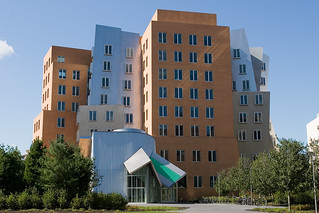
    <content:encoded xmlns:content="http://purl.org/rss/1.0/modules/content/"><![CDATA[<p><img src="https://c4.staticflickr.com/1/31/45709987_0d45810d94_n.jpg" style="float: right; width: 250px; margin: 0px 0px 5px 5px; 
background-color: #eeeeee; border-radius: 3px; 
-webkit-border-radius: 3px; -moz-border-radius: 3px; 
padding: 7px;" alt="Photo of MIT Stata Center" /></img></p>
<p>This is the fourth year the FSF will partner with <a href="https://sipb.mit.edu/">MIT's
Student Information Processing Board (SIPB)</a> to bring this
two-day celebration of free software and software freedom to
Cambridge, MA. <a href="https://my.fsf.org/civicrm/event/register?reset=1&amp;id=47">Registration</a> for LibrePlanet is now open, and
admission is gratis for <a href="https://my.fsf.org/join">FSF members</a> and students.</p>
<p>SIPB is MIT’s volunteer student group which has provided
infrastructure and innovative services in computing since 1969.
"SIPB has been an integral partner for LibrePlanet since 2014," said
Georgia Young, FSF Program Manager. "The FSF deeply appreciates SIPB
for extending their work with the MIT and Boston area community to
include LibrePlanet."</p>
<p>MIT has a long history with free software. While at MIT, Richard
Stallman first developed the GNU operating system, and later
published the GNU Manifesto in 1985. In its 31 years of existence,
several FSF board members have been affiliates of MIT.</p>
<p>LibrePlanet will be based out of the Stata Center, located in
Cambridge, MA, near the Kendall stop on the MBTA Red Line.</p>
<h2>About the Free Software Foundation</h2>
<p>The Free Software Foundation, founded in 1985, is dedicated to
promoting computer users' right to use, study, copy, modify, and
redistribute computer programs. The FSF promotes the development and
use of free (as in freedom) software – particularly the GNU
operating system and its GNU/Linux variants – and free
documentation for free software. The FSF also helps to spread
awareness of the ethical and political issues of freedom in the use
of software, and its Web sites, located at fsf.org and gnu.org, are
an important source of information about GNU/Linux. Donations to
support the FSF's work can be made at <a href="https://donate.fsf.org">https://donate.fsf.org</a>. Its
headquarters are in Boston, MA, USA.</p>
<p>More information about the FSF, as well as important information for
journalists and publishers, is at <a href="https://www.fsf.org/press">https://www.fsf.org/press</a>.</p>
<p><a href="https://www.flickr.com/photos/spotsgot/45709987/"><em>Photo courtesy of Camille King on Flickr. CC-BY-SA</em></a></p>
<h2>Media Contacts</h2>
<p>Georgia Young<br />
Program Manager<br />
Free Software Foundation<br />
+1 (617) 542 5942<br />
georgia@fsf.org<br />
</p>]]></content:encoded>
    <dc:publisher>No publisher</dc:publisher>
    <dc:creator></dc:creator>
    <dc:rights></dc:rights>
    <dc:date>2016-12-21T21:20:00Z</dc:date>
    <dc:type>News Item</dc:type>
  </item>


  <item rdf:about="http://www.fsf.org/news/fsf-announces-change-in-general-counsel">
    <title>FSF announces change in general counsel</title>
    <link>http://www.fsf.org/news/fsf-announces-change-in-general-counsel</link>
    <description></description>
    <content:encoded xmlns:content="http://purl.org/rss/1.0/modules/content/"><![CDATA[<p>On Thursday, October 27, 2016, Eben Moglen stepped down as general
counsel to the Free Software Foundation (FSF). Moglen, who in addition
to being a professor of law and legal history at Columbia University,
is the founder, president, and executive director of the Software
Freedom Law Center (SFLC), and a former FSF board member, has
generously served as the FSF's pro bono general counsel for the last
23 years.</p>
<p>The FSF looks forward to working together in other capacities with
Professor Moglen and SFLC on future projects to advance the free
software movement and use of the GNU General Public License (GPL).</p>
<p>The FSF's team of staff, board members, and outside counsel will
continue its growing licensing advocacy, education, and enforcement
work. Questions about the use of the GNU GPL or other free software
licenses should be directed to <a href="mailto:licensing@fsf.org">&#108;&#105;&#99;&#101;&#110;&#115;&#105;&#110;&#103;&#64;&#102;&#115;&#102;&#46;&#111;&#114;&#103;</a>. Reports of license
violations should be sent to <a href="mailto:license-violation@fsf.org">&#108;&#105;&#99;&#101;&#110;&#115;&#101;&#45;&#118;&#105;&#111;&#108;&#97;&#116;&#105;&#111;&#110;&#64;&#102;&#115;&#102;&#46;&#111;&#114;&#103;</a> following
<a href="http://www.fsf.org/licensing/licenses/gpl-violation">these guidelines.</a> Other legal inquiries should be sent to
<a href="mailto:legal@fsf.org">&#108;&#101;&#103;&#97;&#108;&#64;&#102;&#115;&#102;&#46;&#111;&#114;&#103;</a>.</p>]]></content:encoded>
    <dc:publisher>No publisher</dc:publisher>
    <dc:creator></dc:creator>
    <dc:rights></dc:rights>
    <dc:date>2016-10-27T20:05:07Z</dc:date>
    <dc:type>News Item</dc:type>
  </item>


  <item rdf:about="http://www.fsf.org/news/the-free-software-foundation-seeks-nominations-for-the-19th-annual-free-software-awards">
    <title>The Free Software Foundation seeks nominations for the 19th annual Free Software Awards</title>
    <link>http://www.fsf.org/news/the-free-software-foundation-seeks-nominations-for-the-19th-annual-free-software-awards</link>
    <description>BOSTON, Massachusetts, USA -- Tuesday, October 11, 2016 -- The Free
Software Foundation (FSF) and the GNU Project today call upon the free
software community to submit nominations for the 19th annual Free
Software Awards. The Free Software Awards include the Award for the
Advancement of Free Software and the Award for Projects of Social
Benefit. The awards are presented each year at the LibrePlanet free
software conference.</description>
    <content:encoded xmlns:content="http://purl.org/rss/1.0/modules/content/"><![CDATA[<h3>Award for the Advancement of Free Software</h3>
<p>This award is presented annually by FSF president Richard
Stallman to an individual who has made a great contribution to
the progress and development of free software, through activities
that accord with the spirit of free software.</p>
<p>Individuals who describe their projects as <a href="https://www.gnu.org/philosophy/open-source-misses-the-point">"open"</a> instead
of "free" are eligible nonetheless, provided the software is in
fact <a href="https://gnu.org/philosophy/free-sw">free/libre.</a></p>
<p>Last year, Werner Koch was recognized with the <a href="https://www.fsf.org/news/library-freedom-project-and-werner-koch-are-2015-free-software-awards-winners">Award for the
Advancement of Free Software</a> for his work on <a href="https://www.gnupg.org/">GnuPG</a>, the
de facto tool for encrypted communication. Koch joined a
prestigious list of previous winners including Sébastien Jodogne,
Matthew Garrett, Dr. Fernando Perez, Yukihiro Matsumoto, Rob
Savoye, John Gilmore, Wietse Venema, Harald Welte, Ted Ts'o,
Andrew Tridgell, Theo de Raadt, Alan Cox, Larry Lessig, Guido van
Rossum, Brian Paul, Miguel de Icaza, and Larry Wall.</p>
<h3>Award for Projects of Social Benefit</h3>
<p>Nominations are also sought for the 2016 Award for Projects of
Social Benefit.</p>
<p>This award is presented to the project or team responsible for
applying free software, or the ideas of the free software
movement, in a project that intentionally and significantly
benefits society in other aspects of life.</p>
<p>The award recognizes projects or teams that encourage people to
cooperate in freedom to accomplish tasks of great social benefit,
and those that apply free software ideas and lessons outside the
free software community. A long-term commitment to one's
project (or the potential for a long-term commitment) is crucial
to this end.</p>
<p>This award stresses the use of free software in the service of
humanity. The FSF has deliberately chosen this broad criterion so
that many different areas of activity can be considered. However,
one area that is not included is that of free software
itself. Projects with a primary goal of promoting or advancing
free software are not eligible for this award (the FSF honors
individuals working on those projects with its annual Award for
the Advancement of Free Software).</p>
<p>The award committee will consider any project or team that uses
free software or its philosophy to address a goal important to
society. To qualify, a project must use free software, produce
free documentation, or use the idea of free software as defined
in the <a href="https://gnu.org/philosophy/free-sw">Free Software Definition</a>. Projects that promote or
depend on the use of non-free software are not
eligible. Commercial projects are not excluded, but commercial
success is not the metric for judging projects.</p>
<p>Last year, <a href="https://libraryfreedomproject.org/">the Library Freedom Project</a> received the award.
A partnership among librarians, technologists, attorneys, and
privacy advocates which aims to make real the promise of
intellectual freedom in libraries, the Library Freedom Project
teaches librarians about surveillance threats, privacy rights and
responsibilities, and offers digital tools to stop surveillance,
all with the aim of creating a privacy-centric paradigm shift in
libraries and the local communities they serve. Notably, the
project helps libraries launch Tor exit nodes.</p>
<p>Other previous winners have included Reglue, the GNOME Outreach
Program for Women (now Outreachy), OpenMRS, GNU Health, Tor, the
Internet Archive, Creative Commons, Groklaw, the Sahana project,
and Wikipedia.</p>
<h3>Eligibility</h3>
<p>In the case of both awards, previous winners are not eligible for
nomination, but renomination of other previous nominees is
encouraged.  Only individuals are eligible for nomination for the
Advancement of Free Software Award (not projects), and only
projects can be nominated for the Social Benefit Award (not
individuals). For a list of previous winners, please visit
<a href="https://www.fsf.org/awards">https://www.fsf.org/awards</a>.</p>
<p>Current <a href="https://fsf.org/about/staff-and-board">FSF staff and board members</a>, as well as award
committee members, are not eligible.</p>
<p>Winners will be decided by a committee to be announced, including
several previous winners. Last year's committee was:</p>
<ul>
<li>Suresh Ramasubramanian</li>
<li>Rob Savoye</li>
<li>Jonas Öberg</li>
<li>Fernanda Weiden</li>
<li>Wietse Venema</li>
<li>Matthew Garrett</li>
<li>Vernor Vinge</li>
<li>Hong Feng</li>
<li>Andrew Tridgell</li>
<li>Marina Zhurakhinskaya</li>
<li>Richard Stallman</li>
</ul>
<h3>Instructions</h3>
<p>After reviewing the eligibility rules above, please click on
the links below to submit your nominations. All nominations need
to be submited before Sunday, November 6th, 2016 at 23:59 UTC.</p>
<ul>
<li>
<p>Nominations for the <a href="https://my.fsf.org/projects-of-social-benefit-award-nomination">Award for Projects of Social Benefit</a></p>
</li>
<li>
<p>Nominations for the <a href="https://my.fsf.org/advancement-of-free-software-award-nomination">Award for the Advancement of Free Software</a></p>
</li>
</ul>
<p>Information about the previous awards can be found at
<a href="https://www.fsf.org/awards">https://www.fsf.org/awards</a>. Winners will be announced at an
awards ceremony at the <a href="https://libreplanet.org/conference">LibrePlanet conference</a>, March 25-26
2016, in the Boston area.</p>
<h3>About the Free Software Foundation</h3>
<p>The Free Software Foundation, founded in 1985, is dedicated to
promoting computer users' right to use, study, copy, modify, and
redistribute computer programs. The FSF promotes the development
and use of free (as in freedom) software -- particularly the GNU
operating system and its GNU/Linux variants -- and free
documentation for free software. The FSF also helps to spread
awareness of the ethical and political issues of freedom in the
use of software, and its Web sites, located at fsf.org and
gnu.org, are an important source of information about
GNU/Linux. Donations to support the FSF's work can be made at
<a href="https://donate.fsf.org">https://donate.fsf.org</a>. Its headquarters are in Boston, MA,
USA.</p>
<p>More information about the FSF, as well as important information
for journalists and publishers, is at
<a href="https://www.fsf.org/press">https://www.fsf.org/press</a>.</p>
<h3>Media Contacts</h3>
<p>Georgia Young
Program Manager
Free Software Foundation
+1 (617) 542 5942
<a href="mailto:campaigns@fsf.org">&#99;&#97;&#109;&#112;&#97;&#105;&#103;&#110;&#115;&#64;&#102;&#115;&#102;&#46;&#111;&#114;&#103;</a><br />
</p>]]></content:encoded>
    <dc:publisher>No publisher</dc:publisher>
    <dc:creator></dc:creator>
    <dc:rights></dc:rights>
    <dc:date>2016-10-11T18:30:00Z</dc:date>
    <dc:type>News Item</dc:type>
  </item>


  <item rdf:about="http://www.fsf.org/news/libreplanet-returns-march-25-26-2017-call-for-proposals-for-annual-free-software-conference-now-open">
    <title>LibrePlanet returns March 25-26, 2017, call for proposals for annual free software conference now open</title>
    <link>http://www.fsf.org/news/libreplanet-returns-march-25-26-2017-call-for-proposals-for-annual-free-software-conference-now-open</link>
    <description>BOSTON, Massachusetts, USA -- Tuesday, September 27, 2016 -- The
Free Software Foundation (FSF) today announced the dates for the
LibrePlanet free software conference, which will be held March
25-26, 2017, in the Boston area. The call for sessions is now
open, and registration, volunteer applications, and exhibitor
applications will open in October.</description>
    <content:encoded xmlns:content="http://purl.org/rss/1.0/modules/content/"><![CDATA[<p><a href="https://www.libreplanet.org/2017">LibrePlanet</a> is an annual conference for free software
enthusiasts. The conference brings together software developers,
policy experts, activists and computer users to learn skills,
share accomplishments and face challenges to software
freedom. Newcomers are always welcome, and LibrePlanet 2017 will
feature programming for all ages and experience levels.</p>
<p>This year, the theme of LibrePlanet is "The Roots of Freedom."
This encompasses the historical "roots" of the free software
movement -- the Four Freedoms, the GNU General Public License and
copyleft, and a focus on strong security and privacy protections
-- and the concept of roots as a strong foundation from which the
movement grows.</p>
<p>"LibrePlanet is an impactful, exciting free software
conference. Attendance has grown each year, yet the
community-minded atmosphere has grown even stronger," said John
Sullivan, executive director of the FSF.</p>
<h3>Call for Sessions</h3>
<p>"We are looking forward to session proposals from people around
the world, at all levels of speaking and technical
experience. LibrePlanet features developers, users, students,
activists, policymakers, and others. The free software movement
depends on them all, and LibrePlanet 2017 will highlight their
contributions," said Georgia Young, program manager at the FSF.</p>
<p><a href="https://my.fsf.org/lp-call-for-sessions">Call for sessions applications</a> are currently being accepted
and are due by Wednesday, November 30th, 2016 at 10:00 EST (15:00 UTC).**</p>
<h3>About LibrePlanet</h3>
<p>LibrePlanet is the annual conference of the Free Software
Foundation. What was once a small gathering of FSF members has
grown into a larger event for anyone with an interest in the
values of software freedom. LibrePlanet is always gratis for
<a href="https://my.fsf.org/join">associate members</a> of the FSF. To sign up for announcements
about LibrePlanet 2017, visit <a href="https://www.libreplanet.org/2017">https://www.libreplanet.org/2017</a>.</p>
<p><a href="https://libreplanet.org/2016">LibrePlanet 2016</a> was held at MIT from March 19-20,
2016. Over 370 attendees from all over the world came together
for conversations, demonstrations, and keynotes centered around
the theme of "Fork the System." You can watch videos from last
year's conference at
<a href="https://media.libreplanet.org/u/libreplanet/tag/libreplanet-2016/">https://media.libreplanet.org/u/libreplanet/tag/libreplanet-2016/</a>,
including the opening keynote, <a href="https://media.libreplanet.org/u/libreplanet/m/libreplanet-2016-the-last-lighthouse-3d51/">a conversation with NSA
whistleblower Edward Snowden</a>.</p>
<h3>About the Free Software Foundation</h3>
<p>The Free Software Foundation, founded in 1985, is dedicated to
promoting computer users' right to use, study, copy, modify, and
redistribute computer programs. The FSF promotes the development
and use of free (as in freedom) software -- particularly the GNU
operating system and its GNU/Linux variants -- and free
documentation for free software. The FSF also helps to spread
awareness of the ethical and political issues of freedom in the
use of software, and its Web sites, located at fsf.org and
gnu.org, are an important source of information about
GNU/Linux. Donations to support the FSF's work can be made at
<a href="https://donate.fsf.org">https://donate.fsf.org</a>. Its headquarters are in Boston, MA,
USA.</p>
<p>More information about the FSF, as well as important information
for journalists and publishers, is at
<a href="https://www.fsf.org/press">https://www.fsf.org/press</a>.</p>
<h3>Media Contacts</h3>
<p>Georgia Young<br />
Program Manager<br />
Free Software Foundation<br />
+1 (617) 542-5942<br />
<a href="mailto:campaigns@fsf.org">&#99;&#97;&#109;&#112;&#97;&#105;&#103;&#110;&#115;&#64;&#102;&#115;&#102;&#46;&#111;&#114;&#103;</a><br />
</p>]]></content:encoded>
    <dc:publisher>No publisher</dc:publisher>
    <dc:creator></dc:creator>
    <dc:rights></dc:rights>
    <dc:date>2016-09-27T18:55:00Z</dc:date>
    <dc:type>News Item</dc:type>
  </item>


  <item rdf:about="http://www.fsf.org/news/free-software-foundation-statement">
    <title>Free Software Foundation statement on 2016-09-16</title>
    <link>http://www.fsf.org/news/free-software-foundation-statement</link>
    <description></description>
    <content:encoded xmlns:content="http://purl.org/rss/1.0/modules/content/"><![CDATA[<p>This morning, an open email circulated in which the author said that
the Free Software Foundation ended a relationship with one of our
employees for discriminatory reasons.</p>
<p>Although it is our usual policy not to comment publicly on internal
personnel matters for privacy reasons, we felt it necessary to state
unequivocally that the allegations made in that email are untrue.</p>
<p>It is part of our job to celebrate and improve the diversity of the
free software world. We have strong anti-discrimination and
anti-harassment policies to help provide a safe and supportive working
environment. We uphold a <a href="https://libreplanet.org/2016/safe-space-policy/">safe space policy</a> at all FSF events, and
we provide scholarships to help people of different identities, and
from different regions, attend. The FSF's mission is to defend the
freedom of <em>all</em> computer users.</p>
<p>While we understand that it is difficult whenever an employment
relationship ends, the suggestion that the separation was a result of
discriminatory animus is unfounded. In the interest of protecting the
privacy of all involved, we expect this to be our last public
statement on the matter. We wish our former employee the best in all
future endeavors.</p>]]></content:encoded>
    <dc:publisher>No publisher</dc:publisher>
    <dc:creator></dc:creator>
    <dc:rights></dc:rights>
    <dc:date>2016-09-17T03:05:00Z</dc:date>
    <dc:type>News Item</dc:type>
  </item>


  <item rdf:about="http://www.fsf.org/news/free-software-foundation-stresses-necessity-of-full-user-control-over-internet-connected-devices">
    <title>Free Software Foundation stresses necessity of full user control over Internet-connected devices</title>
    <link>http://www.fsf.org/news/free-software-foundation-stresses-necessity-of-full-user-control-over-internet-connected-devices</link>
    <description>The Internet of Things (IoT) refers to the integration of Internet
technology into a wider range of home devices than previously envisaged
by most users. Early adopters of IoT may now have homes with
Internet-connected lightbulbs, alarm systems, baby monitors and even
coffee machines. Internet integration allows owners to have greater
flexibility over their devices, making it possible to turn on their air
conditioning as they leave work to cool the house before they return, to
have curtains that automatically close based on sunset time, or lights
that automatically turn off after the owner has left the house. Each
individual benefit may seem marginal, but overall they add significant
benefit to the owners.</description>
    <content:encoded xmlns:content="http://purl.org/rss/1.0/modules/content/"><![CDATA[<p>Most IoT systems consist of three components:</p>
<p>1) The "smart" device itself, capable of communicating via a protocol
such as Z-Wave, Zigbee, Bluetooth or IEEE 802.11, running either a
full operating system (commonly based on the kernel Linux) or an
embedded OS designed for this purpose.</p>
<p>2) A remote service provided by the device manufacturer. The smart device
communicates with this service in order to provide information about its
current state and in order to provide an interface for users to control
the device.</p>
<p>3) An application designed for mobile platforms which interacts with the
remote service and allows control of the smart device regardless of
whether the user is currently located near the device or not.</p>
<p>Devices that use the Zigbee or Z-Wave protocols also typically require a
local "hub," a device running interface software that bridges the
devices to the remote service.</p>
<p>There are multiple significant security concerns around this design
pattern. The first is that either the smart devices themselves or the
hub that they communicate with require Internet access. Depending on
local network configuration, this may result in the devices being
visible to the public Internet. These devices inherently provide a
service of some description in order to permit their integration with
the remote services, but frequently also provide additional services
for directly local communication and often include further unnecessary
services used for diagnostics during the design and production stage
(such as <a href="https://fail0verflow.com/blog/2012/microcell-fail.html">MicroCell</a> -- the same backdoor was present on a series of
baby monitors shipped by a major manufacturer).</p>
<p>These devices are often locked down in such a way that it is impossible
for the user to replace the software that they run. These devices are
also often abandoned by their manufacturers after a short space of time
due to them being either discontinued or replaced by newer devices.
Users who continue using these devices are thus at significant risk,
without any real chance of security updates being made available and
frequently without any notification that any security issues have been
identified. If any issues are identified, then without the permission of
the manufacturer it is impossible for any third party to provide aid to
said users.</p>
<p>This concern is frequently mitigated by typical home network setups that
restrict external access to internal devices. But smart devices
inherently require external access to be possible, and this
functionality is provided by the remote service. The smart device
connects to the remote service and awaits commands -- users in turn
connect to the remote service and send commands.</p>
<p>These remote services are themselves frequently insecure. Authentication
details are often sent in plaintext, allowing anyone who can observe
network traffic to obtain credentials. Some systems involve no
authentication at all (<a href="https://www.amazon.com/gp/review/R2JVRCO8T1ON0R">for instance</a>). This makes it possible for a
malicious individual to gain control over home devices, in some cases
potentially even being able to execute arbitrary code on said devices
and gain access to the internal network.</p>
<p>If vendors are unwilling or unable to fix these security issues, users
are left in an unfortunate position. They can either retain the
convenience provided by the smart devices they paid for, or they can
remove them and attempt to obtain a refund. The worst case scenario is
perhaps when the vendor unilaterally decides to shut down the remote
service, rendering the devices useless.</p>
<p>Another consideration is the behavior of the manufacturer itself.
Manufacturers may not always act in the interests of their customers,
doing things ranging from invasive collection of personal data to
intrusive advertising or even disabling device functionality remotely.
Even if ostensibly permitted by terms of service, users should be able
to protect themselves against such scenarios.</p>
<p>There is an alternative. Third-party free software alternatives to the
pre-installed software are common in certain market segments, such as
home routers (<a href="https://librecmc.org">libreCMC</a>, <a href="http://www.openwrt.org">OpenWrt</a> and <a href="http://www.dd-wrt.com">DD-WRT</a>, for instance).
Security vulnerabilities can be mitigated by replacing the original
software with a functional equivalent provided by a third party.
Unfortunately, many IoT devices are designed such that the software can
only be replaced by the manufacturer. The software will only communicate
with the manufacturer's remote service -- no third party can provide a
functional equivalent.</p>
<p>To ensure that users do not end up in a situation where they are left
choosing between security and convenience, or left with no ability
whatsoever to use the devices they bought, it is vital that these
devices be ultimately under the control of the user. The user should be
able to replace the software on the device in order to fix security
vulnerabilities. The user should be able to modify the software on the
device such that it communicates with a different remote service that
provides strong security guarantees. The user should not be left with no
option other than to discard the device and replace it with a new
version.</p>
<p>In order for this to be possible, it is necessary to know how the
devices communicate with the remote server. Unfortunately this is
frequently in the form of a proprietary protocol that lacks any public
documentation, and as such it is a significant engineering effort for
anyone to implement a replacement service. Several well-known protocols
exist for controlling remote devices (such as <a href="http://www.mqtt.org">MQTT</a>) and re-using
these rather than proprietary protocols makes it easier to both
identify whether any security issues exist (being forced to reverse
engineer a protocol may result in missing subtle aspects that cause
security issues) and provide alternative implementations in the event of
significant security flaws being discovered or the vendor choosing to
cease support of the remote services.</p>
<p>To that end, we encourage the adoption of practices that:</p>
<p>a) Ensure that documented and freely-implementable (rather than
patent-encumbered) protocols be used for communication between smart
devices and remote services, and</p>
<p>b) Ensure that owners of smart devices are able to replace their
software with implementations provided by either themselves or third
parties in order to prevent the vendor being a single point of failure
in either service</p>
<p>c) Strongly encourage the use of free "as in freedom" software
throughout the entire stack, making it easier for security researchers
to identify issues, third parties to provide alternative
implementations and users to retain as much control as possible over
devices that will become increasingly integrated into their homes and
lives.</p>
<p><em>Matthew Garret is a member of the FSF's board of directors.</em></p>
<p><em>This was submitted in response to the <a href="https://www.federalregister.gov/articles/2016/08/10/2016-18948/information-on-current-and-future-states-of-cybersecurity-in-the-digital-economy#h-8">Commission on Enhancing National Cybersecurity request for information about current and future states of cybersecurity in the digital economy</a>.</em></p>]]></content:encoded>
    <dc:publisher>No publisher</dc:publisher>
    <dc:creator></dc:creator>
    <dc:rights></dc:rights>
    <dc:date>2016-09-09T19:09:35Z</dc:date>
    <dc:type>News Item</dc:type>
  </item>


  <item rdf:about="http://www.fsf.org/news/fsf-job-opportunity-copyright-and-licensing-associate">
    <title>FSF Job Opportunity: Copyright and Licensing Associate</title>
    <link>http://www.fsf.org/news/fsf-job-opportunity-copyright-and-licensing-associate</link>
    <description>The Free Software Foundation (FSF), a Massachusetts 501(c)(3) charity
with a worldwide mission to protect computer user freedom, seeks a
motivated and talented Boston-based individual to be our full-time
Copyright and Licensing Associate.</description>
    <content:encoded xmlns:content="http://purl.org/rss/1.0/modules/content/"><![CDATA[<p>This position, reporting to the executive director, works as part of
our licensing and compliance team to protect and promote the use of
freely licensed works of software and documentation. For over twenty
years, the <a href="https://fsf.org/licensing">FSF's Licensing and Compliance Lab</a> has been the
preeminent community resource for information about free licensing.
From enforcement of the GNU General Public License, to certifying
software and devices as fully free, to the writing and distribution of
licensing-related educational materials, the team does work vital for
the free software movement.</p>
<p>For this position, we are looking for a strong writer who is familiar
with free software copyright licenses, and understands the basics of
how software is written, compiled, and distributed. Neither a legal
nor computer science education is required, but both would be a plus.
Ideal candidates will also have experience with administrative tasks
and record keeping.</p>
<p>Examples of job responsibilities include, but are not limited to:</p>
<ul>
<li>
<p>diligent and careful filing, archiving, and recording of all the
    FSF's copyright assignment data (both electronic and paper),</p>
</li>
<li>
<p>daily correspondence with GNU and other free software developers
    from around the world,</p>
</li>
<li>
<p>reviewing hardware devices for our <a href="https://www.fsf.org/ryf">Respects Your Freedom</a>
    certification program,</p>
</li>
<li>
<p>investigating violations of free licenses on FSF-copyrighted
    works,</p>
</li>
<li>
<p>public speaking as an FSF representative,</p>
</li>
<li>
<p>writing articles and materials on licensing-related issues and
    news,</p>
</li>
<li>
<p>helping to organize and facilitate educational licensing events
    both online and in-person,</p>
</li>
<li>
<p>working with volunteers and mentoring interns, and</p>
</li>
<li>
<p>pitching in to help with organization-wide projects like our major
    fundraising activities and the annual LibrePlanet conference.</p>
</li>
</ul>
<p>Because the FSF works globally and seeks to have our materials
distributed in as many languages as possible, multilingual candidates
will have an advantage. With our small staff of thirteen, each person
makes a clear contribution. We work hard, but offer a humane and fun
work environment at an office located in the heart of downtown Boston.
The FSF is a mature but growing organization that provides great
potential for advancement; existing staff get the first chance at any
new job openings.</p>
<h2>Benefits and Salary</h2>
<p>This job is a union position that must be worked on-site at the FSF's
downtown Boston office. The salary is fixed at $51,646/year and is
non-negotiable. Other benefits include:</p>
<ul>
<li>full family health coverage through Blue Cross/Blue Shield's HMO Blue program,</li>
<li>subsidized dental plan,</li>
<li>four weeks of paid vacation annually,</li>
<li>seventeen paid holidays annually,</li>
<li>public transit commuting cost reimbursement,</li>
<li>403(b) program through TIAA-CREF,</li>
<li>yearly cost-of-living pay increases (based on government guidelines), and</li>
<li>conference travel opportunities.</li>
</ul>
<h2>Application Instructions</h2>
<p>Applications must be submitted via email to <a href="mailto:hiring@fsf.org">&#104;&#105;&#114;&#105;&#110;&#103;&#64;&#102;&#115;&#102;&#46;&#111;&#114;&#103;</a>. The
email must contain the subject line "Copyright and Licensing
Associate". A complete application should include:</p>
<ul>
<li>resume,</li>
<li>cover letter, and</li>
<li>a published writing sample.</li>
</ul>
<p>All materials must be in a free format. Email submissions that do not
follow these instructions will probably be overlooked. No phone calls,
please.</p>
<p><strong>Applications will be reviewed on a rolling basis until the position is filled. To guarantee consideration, submit your application by Sunday, October 2, 2016 at 17:00 EDT.</strong></p>
<p>The FSF is an equal opportunity employer and will not discriminate
against any employee or application for employment on the basis of
race, color, marital status, religion, age, sex, sexual orientation,
national origin, handicap, or any other legally protected status
recognized by federal, state or local law. We value diversity in our
workplace.</p>
<h3>About the Free Software Foundation</h3>
<p>The Free Software Foundation, founded in 1985, is dedicated to
promoting computer users' right to use, study, copy, modify, and
redistribute computer programs. The FSF promotes the development and
use of free (as in freedom) software -- particularly the GNU operating
system and its GNU/Linux variants -- and free documentation for free
software. The FSF also helps to spread awareness of the ethical and
political issues of freedom in the use of software, and its Web sites,
located at fsf.org and gnu.org, are an important source of information
about GNU/Linux. Donations to support the FSF's work can be made at
<a href="https://donate.fsf.org">https://donate.fsf.org</a>. We are based in Boston, MA, USA.</p>
<p>More information about the FSF, as well as important information for
journalists and publishers, is at <a href="https://www.fsf.org/press">https://www.fsf.org/press</a>.</p>]]></content:encoded>
    <dc:publisher>No publisher</dc:publisher>
    <dc:creator></dc:creator>
    <dc:rights></dc:rights>
    <dc:date>2016-08-30T18:05:00Z</dc:date>
    <dc:type>News Item</dc:type>
  </item>


  <item rdf:about="http://www.fsf.org/news/fsf-job-opportunity-web-developer">
    <title>FSF Job Opportunity: Web Developer</title>
    <link>http://www.fsf.org/news/fsf-job-opportunity-web-developer</link>
    <description>Free Software Foundation is hiring a Web Developer</description>
    <content:encoded xmlns:content="http://purl.org/rss/1.0/modules/content/"><![CDATA[<p>The Free Software Foundation (FSF), a Massachusetts 501(c)(3) charity
with a worldwide mission to protect computer user freedom, seeks a
motivated and talented Boston-based individual to be our full-time Web
Developer.</p>
<p>This position, reporting to the executive director, works closely with
our sysadmin team to maintain and improve the FSF's Web presence. The
FSF uses several different free software Web platforms in the course
of its work, both internally and externally. These platforms are
critical to work supporting the GNU Project, free software adoption,
free media formats, and freedom on the Internet; and to opposing bulk
surveillance, Digital Restrictions Management, software patents, and
proprietary software.</p>
<p>We are looking for someone who is comfortable with keeping these
systems up-to-date and working, as well as customizing them when
necessary. While the main duties will relate to the backend systems,
frontend experience with templates, HTML, CSS, JavaScript, and design
tools will be a big plus. The Web Developer will help lead major
projects, such as the relaunch of <a href="https://www.fsf.org">https://www.fsf.org</a> and migration
of <a href="https://audio-video.gnu.org">https://audio-video.gnu.org</a> to GNU MediaGoblin.  S/he will also
be part of the team running the annual LibrePlanet conference as well
as contribute to decisions about which new platforms to use or which
existing ones to retire.</p>
<p>Examples of platforms maintained by the Web Developer include, but are
not limited to:</p>
<ul>
<li>CiviCRM</li>
<li>Drupal</li>
<li>MediaWiki</li>
<li>Plone / Zope</li>
<li>Ikiwiki</li>
<li>Request Tracker</li>
<li>Etherpad</li>
<li>CAS</li>
<li>GNU social</li>
<li>GNU MediaGoblin</li>
<li>Icecast</li>
</ul>
<p>Because the FSF works globally and seeks to have our materials
distributed in as many languages as possible, multilingual candidates
will have an advantage. With our small staff of thirteen, each person
makes a clear contribution. We work hard, but offer a humane and fun
work environment at an office located in the heart of downtown Boston.</p>
<p>The FSF is a mature but growing organization that provides great
potential for advancement; existing staff get the first chance at any
new job openings. This position is also a good starting point for
anyone who might be interested in other roles on our technical team in
the future.</p>
<h2>Benefits and Salary</h2>
<p>This job is a union position that must be worked on-site at the FSF's
downtown Boston office. An on-site interview will be required with the
executive director and other team members. The salary is fixed at
$51,646/year and is non-negotiable. Other benefits include:</p>
<ul>
<li>conference travel opportunities,</li>
<li>full family health coverage through Blue Cross/Blue Shield's HMO
Blue program,</li>
<li>subsidized dental plan,</li>
<li>four weeks of paid vacation annually,</li>
<li>seventeen paid holidays annually,</li>
<li>public transit commuting cost reimbursement,</li>
<li>403(b) program through TIAA-CREF,</li>
<li>yearly cost-of-living pay increases (based on government
    guidelines).</li>
</ul>
<h2>Application Instructions</h2>
<p>Applications must be submitted via email to <a href="mailto:hiring@fsf.org">&#104;&#105;&#114;&#105;&#110;&#103;&#64;&#102;&#115;&#102;&#46;&#111;&#114;&#103;</a>. The
email must contain the subject line "Web Developer". A complete
application should include:</p>
<ul>
<li>resume,</li>
<li>cover letter, and</li>
<li>links to any previous work online.</li>
</ul>
<p>All materials must be in a free format. Email submissions that do not
follow these instructions will probably be overlooked. No phone calls,
please.</p>
<p><strong>Applications will be reviewed on a rolling basis
until the position is filled. To guarantee consideration, submit your
application by Friday, September 9, 2016 at 17:00 EDT.</strong></p>
<p>The FSF is an equal opportunity employer and will not discriminate
against any employee or application for employment on the basis of
race, color, marital status, religion, age, sex, sexual orientation,
national origin, handicap, or any other legally protected status
recognized by federal, state or local law. We value diversity in our
workplace. Women, people of color and LGBTQ individuals are strongly
encouraged to apply.</p>
<h3>About the Free Software Foundation</h3>
<p>The Free Software Foundation, founded in 1985, is dedicated to
promoting computer users' right to use, study, copy, modify, and
redistribute computer programs. The FSF promotes the development and
use of free (as in freedom) software -- particularly the GNU operating
system and its GNU/Linux variants -- and free documentation for free
software. The FSF also helps to spread awareness of the ethical and
political issues of freedom in the use of software, and its Web sites,
located at fsf.org and gnu.org, are an important source of information
about GNU/Linux. Donations to support the FSF's work can be made at
<a href="https://donate.fsf.org">https://donate.fsf.org</a>. We are based in Boston, MA, USA.</p>
<p>More information about the FSF, as well as important information for
journalists and publishers, is at <a href="https://www.fsf.org/press">https://www.fsf.org/press</a>.</p>]]></content:encoded>
    <dc:publisher>No publisher</dc:publisher>
    <dc:creator></dc:creator>
    <dc:rights></dc:rights>
    <dc:date>2016-08-22T17:45:00Z</dc:date>
    <dc:type>News Item</dc:type>
  </item>


  <item rdf:about="http://www.fsf.org/news/free-software-foundation-releases-fy2015-annual-report">
    <title>Free Software Foundation releases FY2015 Annual Report</title>
    <link>http://www.fsf.org/news/free-software-foundation-releases-fy2015-annual-report</link>
    <description>BOSTON, Massachusetts, USA -- Thursday, August 11th, 2016 -- The Free Software Foundation (FSF) today published its FY2015 Annual Report.</description>
    <content:encoded xmlns:content="http://purl.org/rss/1.0/modules/content/"><![CDATA[<p>The report is available in <a href="http://static.fsf.org/nosvn/annual-reports/FY2015_annual_report_LR.pdf">low-resolution (2.4 MB PDF)</a> and
<a href="http://static.fsf.org/nosvn/annual-reports/FY2015_annual_report_HR.pdf">high-resolution (30.7 MB PDF)</a>.</p>
<p>The Annual Report reviews the Foundation's activities,
accomplishments, and financial picture. The report examines the impact
of the FSF's programs, and FY2015's major events, including
LibrePlanet and our thirtieth anniversary.</p>
<p>As with all of the Foundation's activities, the Annual Report was made
exclusively using free software, including <a href="https://www.scribus.net/">Scribus</a>, <a href="https://www.gimp.org/">GIMP</a>,
<a href="https://inkscape.org/en/">Inkscape</a>, and <a href="https://www.libreoffice.org/">LibreOffice</a>, along with freely licensed fonts
and images. The report is released under a <a href="https://creativecommons.org/licenses/by-sa/4.0/">CC BY SA 4.0</a> license.</p>
<h3>About the Free Software Foundation</h3>
<p>The Free Software Foundation, founded in 1985, is dedicated to
promoting computer users' right to use, study, copy, modify, and
redistribute computer programs. The FSF promotes the development and
use of free (as in freedom) software -- particularly the GNU operating
system and its GNU/Linux variants -- and free documentation for free
software. The FSF also helps to spread awareness of the ethical and
political issues of freedom in the use of software, and its Web sites,
located at fsf.org and gnu.org, are an important source of information
about GNU/Linux. Donations to support the FSF's work can be made at
<a href="https://my.fsf.org/donate">https://my.fsf.org/donate</a>. Its headquarters are in Boston, MA, USA.</p>
<p>More information about the FSF, as well as important information for
journalists and publishers, is at <a href="https://www.fsf.org/press">https://www.fsf.org/press</a>.</p>
<h2>Media Contacts</h2>
<p>Georgia Young<br />
Program Manager<br />
Free Software Foundation<br />
+1 (617) 542 5942 x 17<br />
<a href="mailto:campaigns@fsf.org">&#99;&#97;&#109;&#112;&#97;&#105;&#103;&#110;&#115;&#64;&#102;&#115;&#102;&#46;&#111;&#114;&#103;</a></p>]]></content:encoded>
    <dc:publisher>No publisher</dc:publisher>
    <dc:creator></dc:creator>
    <dc:rights></dc:rights>
    <dc:date>2016-08-11T22:28:48Z</dc:date>
    <dc:type>News Item</dc:type>
  </item>


  <item rdf:about="http://www.fsf.org/news/web-drm-standard-moves-to-next-phase-of-development-fsfs-defective-by-design-campaign-to-continue-opposition">
    <title>Web DRM standard moves to next phase of development, FSF's Defective by Design campaign to continue opposition</title>
    <link>http://www.fsf.org/news/web-drm-standard-moves-to-next-phase-of-development-fsfs-defective-by-design-campaign-to-continue-opposition</link>
    <description>BOSTON, Massachusetts, USA — Wednesday, July 6, 2016 — Despite
dedicated resistance by tens of thousands of Web users and civil
society groups, Web inventor Tim Berners-Lee allowed Encrypted Media
Extensions (EME) to move to the next phase of development within the
World Wide Web Consortium (W3C) yesterday.
</description>
    <content:encoded xmlns:content="http://purl.org/rss/1.0/modules/content/"><![CDATA[<p>EME (<a href="https://www.w3.org/TR/encrypted-media">full text</a>) is a proposed technological standard for
Web-based <strong><a href="https://www.defectivebydesign.org/what_is_drm_digital_restrictions_management">Digital Restrictions Management (DRM)</a></strong>, digital
handcuffs that video-streaming services use to micromanage users'
access to legitimately obtained media. As Web users asserted while
<a href="https://www.defectivebydesign.org/from-the-web-to-the-streets-protesting-drm">protesting the W3C's meeting this March</a>, DRM is coercive,
disempowering and insulting to users. It also causes broad collateral
damage to the health of our digital society. DRM's dark history —
from the <a href="https://www.defectivebydesign.org/ten-years-after-sony-rootkit">Sony rootkit malware</a> to
<a href="https://www.defectivebydesign.org/end-DMCA-anti-circumvention-provisions">draconian anti-circumvention laws</a> — demonstrates that
integrating it into Web standards would be nothing but bad for the
Web's users. It is predicted to stymie security research, curtail
privacy, freedom, and accessibility, and set back the interoperability
that is necessary for innovation on the Web. There is considerable
dissent about EME within the W3C — staff member Harry Halpin has
<a href="https://www.defectivebydesign.org/blog/w3c_staff_member_pledges_resignation_if_drm_added_web_standards">pledged to resign</a> if it becomes an official standard.</p>
<p><a href="https://www.defectivebydesign.org">Defective by Design</a> is the FSF's campaign against DRM in all its
forms and the aegis for its work against EME. Campaigns manager Zak
Rogoff made this statement:</p>
<blockquote>
<p>"The W3C and its director, Tim Berners-Lee, are abdicating their
responsibility — as stated in their <a href="https://www.w3.org/TR/html-design-principles/">official design principles</a>
— to put users first in the design of the Web. We had hoped that
Berners-Lee would uphold the vision of inclusion and empowerment
that he articulated in his famous Tweet about the Web: 'This is for
everyone.'  But by allowing EME to continue, he has given license to
Netflix, Google and media owners to warp the Web so that it works
firstly for them.</p>
<p>We are inspired by the worldwide network of activists who have
joined us in our struggle for the freedom-respecting Web we
deserve. Defective by Design will continue to escalate our campaign,
deploying new and creative forms of resistance until EME is
stopped."</p>
</blockquote>
<p>The EME standardization effort, sponsored by streaming giants like
Google and Netflix, aims to take advantage of the W3C's influence over
Web technology to make it cheaper and more efficient to impose DRM
systems. As of yesterday, the EME proposal is now upgraded from
Working Draft to Candidate Recommendation within the W3C's
process. Under the W3C's rules there are at least three more chances
to pull the plug on EME before it becomes a ratified standard, also
known as a W3C Recommendation.</p>
<p><strong>W3C member organizations wishing to join the campaign against EME
  are invited to contact Defective by Design at
  <a href="mailto:info@defectivebydesign.org">&#105;&#110;&#102;&#111;&#64;&#100;&#101;&#102;&#101;&#99;&#116;&#105;&#118;&#101;&#98;&#121;&#100;&#101;&#115;&#105;&#103;&#110;&#46;&#111;&#114;&#103;</a>. Concerned individuals can start by
  <a href="https://my.fsf.org/civicrm/profile/create%3Fgid%3D183%26reset%3D1">signing Defective by Design's petition</a> or
  <a href="https://www.defectivebydesign.org/selfie-against-drm-in-web-standards">adding a protest selfie to the growing gallery</a>.</strong></p>
<h3>About Defective By Design</h3>
<p>Defective by Design is the Free Software Foundation's campaign against
Digital Restrictions Management (DRM). DRM is the practice of imposing
technological restrictions that control what users can do with digital
media, creating a good that is defective by design. DRM requires the
use of proprietary software and is a major threat to computer user
freedom. It often spies on users as well. The campaign, based at
defectivebydesign.org, organizes anti-DRM activists for in-person and
online actions, and challenges powerful media and technology interests
promoting DRM. Supporters can donate to the campaign at
<a href="https://www.defectivebydesign.org/donate">https://www.defectivebydesign.org/donate</a>.</p>
<h3>About the Free Software Foundation</h3>
<p>The Free Software Foundation, founded in 1985, is dedicated to
promoting computer users' right to use, study, copy, modify, and
redistribute computer programs. The FSF promotes the development and
use of free (as in freedom) software — particularly the GNU operating
system and its GNU/Linux variants — and free documentation for free
software. The FSF also helps to spread awareness of the ethical and
political issues of freedom in the use of software, and its Web sites,
located at fsf.org and gnu.org, are an important source of information
about GNU/Linux. Donations to support the FSF's work can be made at
<a href="https://donate.fsf.org">https://donate.fsf.org</a>. Its headquarters are in Boston, MA, USA.</p>
<p>More information about the FSF, as well as important information for
journalists and publishers, is at <a href="https://www.fsf.org/press">https://www.fsf.org/press</a>.</p>
<h1></h1>
<h1></h1>
<h1></h1>
<h3>Media Contact</h3>
<p>Zak Rogoff<br />
Campaigns Manager <br />
Free Software Foundation<br />
+1 (617) 542 5942 x31<br />
<a href="mailto:info@defectivebydesign.org">&#105;&#110;&#102;&#111;&#64;&#100;&#101;&#102;&#101;&#99;&#116;&#105;&#118;&#101;&#98;&#121;&#100;&#101;&#115;&#105;&#103;&#110;&#46;&#111;&#114;&#103;</a></p>]]></content:encoded>
    <dc:publisher>No publisher</dc:publisher>
    <dc:creator></dc:creator>
    <dc:rights></dc:rights>
    <dc:date>2016-07-06T20:38:04Z</dc:date>
    <dc:type>News Item</dc:type>
  </item>


</rdf:RDF>