

Europe's obesity battle, a haphazard reality
EU states are alarmed at the bulging waistlines of their citizens, but governments remain unwilling to commit to binding measures or an EU-wide approach to the problem.
Thursday
22nd Dec 2016
EU states are alarmed at the bulging waistlines of their citizens, but governments remain unwilling to commit to binding measures or an EU-wide approach to the problem.

Denmark ditched their fat tax and cut levies on beer, but Danes still furnish health campaigners with the bulk of their evidence for "sin taxes" on unhealthy food and drink.


Rates of infection have stayed constant for a decade in the EU, though there has been a massive surge in Russia apparently caused by drug users sharing needles.

Age and poor education factor into high obesity rates, according to the EU's statistical office Eurostat. On Thursday, it released figures showing Malta is the most obese country, relative to other EU states.

European town planners still borrow from the “garden city” ideals of the 19th century, but they might be doing more harm than good.

Europeans get through a huge amount of sugary drinks, causing serious risks to their health, a study backed by anti-obesity campaigners suggests. But southern Europe has seen a marked decline in consumption.

Over 2 million people, many of them young adults, have taken the synthetic drug in the last 12 months.

The United Nations health agency estimated that 58.6 percent of Europeans are overweight, and 23 percent suffer from obesity.

Around 1.6 million premature deaths would be prevented every year if the world's governments stopped subsidising fossil fuels, an IMF study has found.

EU health commissioner Vytenis Andruikaitis has said he intends to help member states face the challenges of chronic diseases.
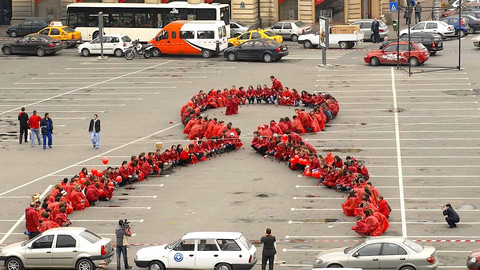
HIV is spreading at a dangerous rate in nations around the Black Sea, with hotspots in Ukraine and Russia.

Top EU judges in Luxembourg on Thursday ruled obesity can be considered a disability whenever it impacts on work performance.
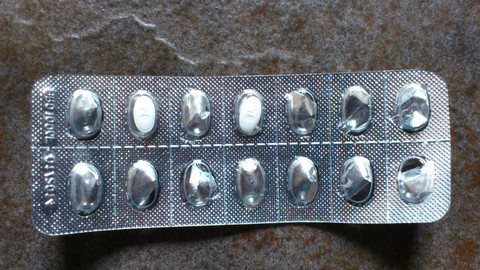
Medical experts fear an organisational reshuffle in the European Commission will prioritise the economics of health care over patients' well-being.
EU health ministers will discuss the introduction of entry screening for potential Ebola carriers at a meeting in Brussels on Thursday.
With a growing older population and an overall increase in chronic diseases, Europe is facing a new kind of health problem.

One of the most frequent chronic diseases in Europe is estimated to take the life of over 250 people worldwide every hour. Tobacco is the direct cause for most cases.

The European Union is beginning to take the problem of chronic diseases seriously.
Over one third of the European population above the age of 15 have a chronic disease.
Obesity may be considered a disability if it affects how a person does their job, the EU's top court said Thursday
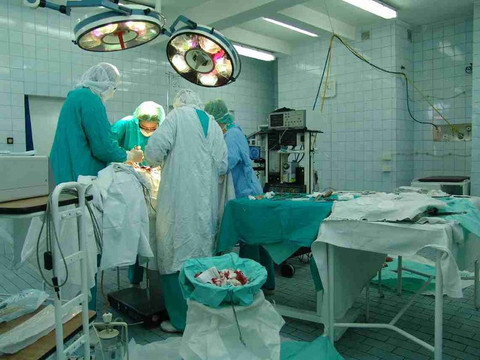
Athens and its creditors are guilty of "denialism" about the scale of the public health crisis caused by the country's harsh austerity programme, medical researchers have claimed.
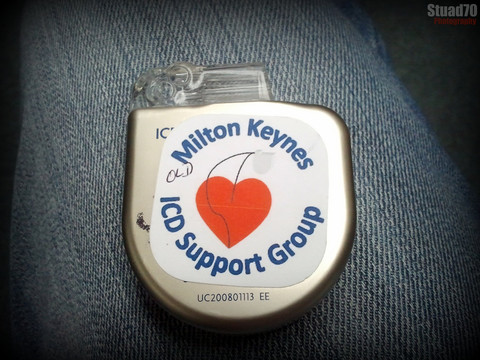
The metal box in Hugo Campos’ chest keeps him alive. It also collects data. Who owns it and how they use it is posing questions for EU lawmakers.
Europeans are living longer but health inequalities between men and women, countries and population segments are in some cases getting worse.
Speculators are threatening the supply of medication to countries worst hit by the sovereign debt crisis, according to research by business analysts GlobalData.
The EU and other Western governments are putting children at risk by refusing to back a robust treaty on the safer use of mercury.
The Spanish government on Friday approved €10 billion worth of spending cuts and increased fees for education and health.
Belgian national Walter De Brouwer recently moved to Sillicon Valley to build a handheld medical device that monitors your health from a distance. Europeans are too cautious to make such devices, he says.
Healthcare, strictly speaking, is none of the EU’s business. On e-health, therefore, much of the Brussels oeuvre consists of communications, recommendations, action plans, conferences and the odd pilot project. But even that seems too ambitious.