But we’re better off believing in it anyway.
For centuries, philosophers and theologians have almost unanimously held that civilization as we know it depends on a widespread belief in free will—and that losing this belief could be calamitous. Our codes of ethics, for example, assume that we can freely choose between right and wrong. In the Christian tradition, this is known as “moral liberty”—the capacity to discern and pursue the good, instead of merely being compelled by appetites and desires. The great Enlightenment philosopher Immanuel Kant reaffirmed this link between freedom and goodness. If we are not free to choose, he argued, then it would make no sense to say we ought to choose the path of righteousness.
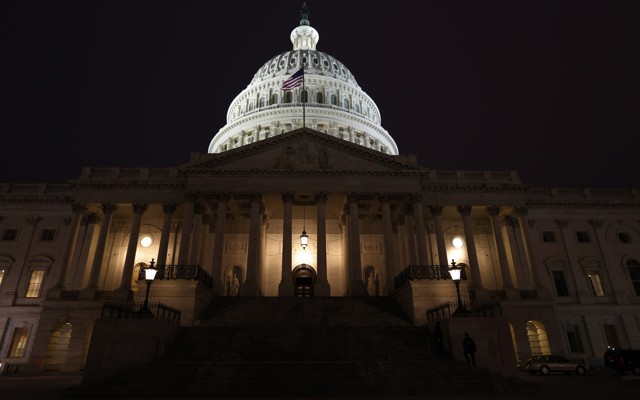
Today, the assumption of free will runs through every aspect of American politics, from welfare provision to criminal law. It permeates the popular culture and underpins the American dream—the belief that anyone can make something of themselves no matter what their start in life. As Barack Obama wrote in The Audacity of Hope, American “values are rooted in a basic optimism about life and a faith in free will.”